
Sommaire
Mosquitoes often turn summer evenings into obstacle courses; placing the right plants around the house can reduce their presence without systematically resorting to insecticides. This article lists ten flowers and ornamental plants effective in limiting nuisances, explains the chemical mechanisms involved, and offers practical planting and usage tips — from urban balconies to family gardens.
In Brief
🪴 10 plants presented, including lavender, lemongrass, and scented geranium, which release compounds (linalool, citronellal, pyrethrins) known for their repellent effect on mosquitoes.
🌿 Usage methods: planting in pots near frequented areas, crushing leaves to release oils, or preparing infusions/essential oil — each has its limits and safety considerations.
⚠️ Warning: no plant guarantees total protection. These options reduce and disturb mosquitoes rather than completely eliminate them; combine them with mosquito nets and preventive behaviors.
Why Some Flowers Repel Mosquitoes
One might think appearance is enough, but the repellent effect relies on volatile molecules released by flowers and leaves. Citronellal, geraniol, linalool, or pyrethrins disrupt mosquito olfaction: they mask attractive signals (CO2, body odors) or create an unpleasant sensation that causes the insect to move away. Some species release these compounds continuously; others require crushing the leaves to achieve a noticeable effect.

Top 10 Flowers and Plants That Help Repel Mosquitoes
1. Lavender (Lavandula)
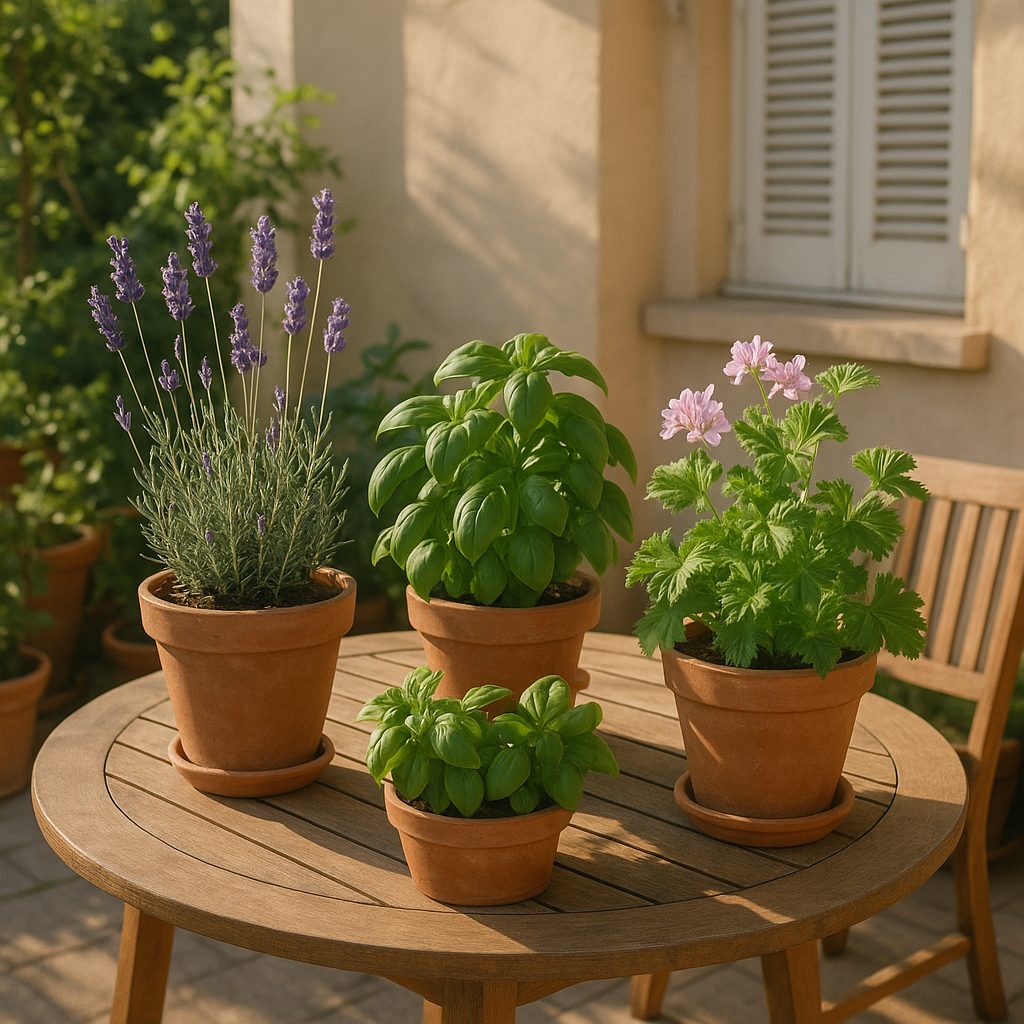
Lavender combines a pleasant scent for humans with repulsion for mosquitoes thanks to linalool and linalyl. Plant it in flower beds in full sun, along terrace edges, or in pots on the balcony. To increase the effect, rub a few sprigs between your fingers before an evening outdoors: the fresh released scent has an immediate impact.
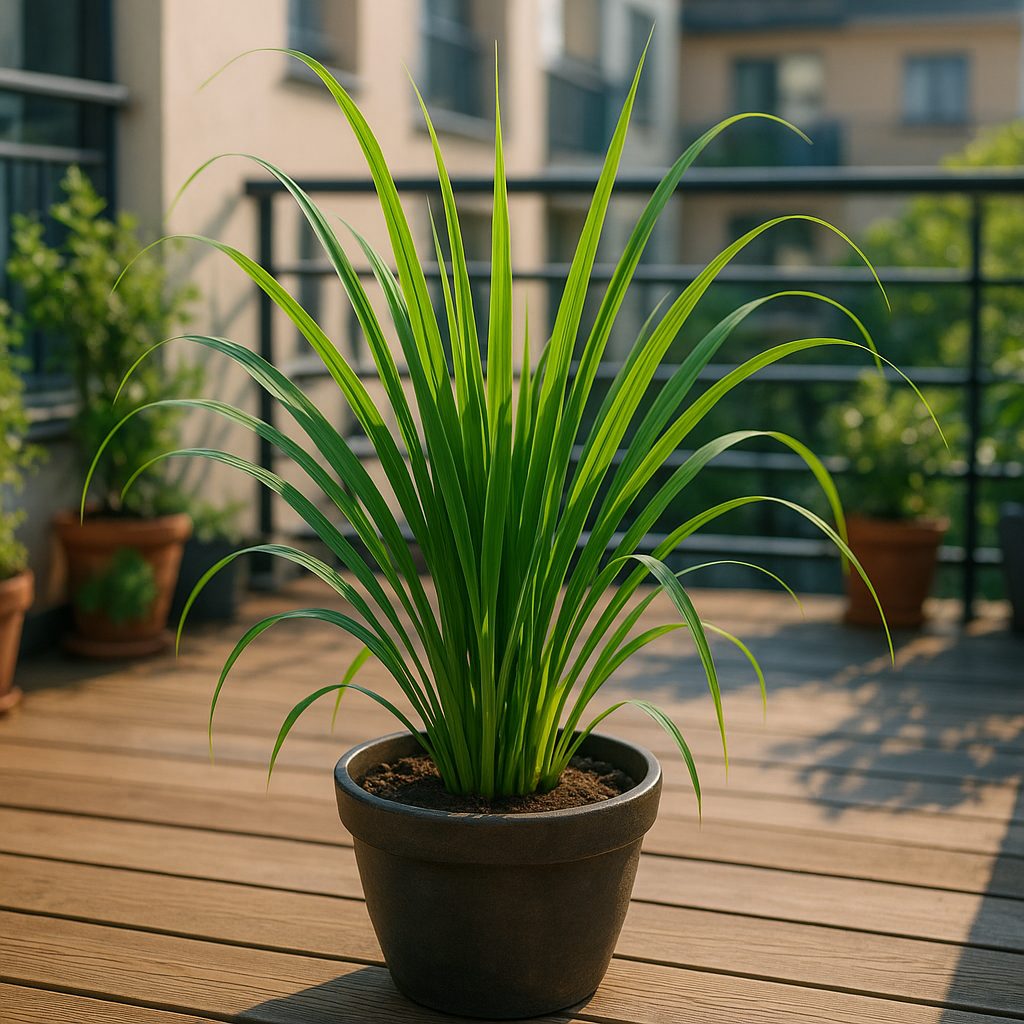
2. Lemongrass (Cymbopogon)
Lemongrass is often cited as the anti-mosquito star: its oil contains citronellal and geraniol. In temperate climates, it is grown in pots and returns each year if protected from frost. Used in pots around a dining area, it lowers mosquito pressure; however, be aware that the effect quickly diminishes in open air, hence the interest in placing it in immediate proximity to the areas to be protected.
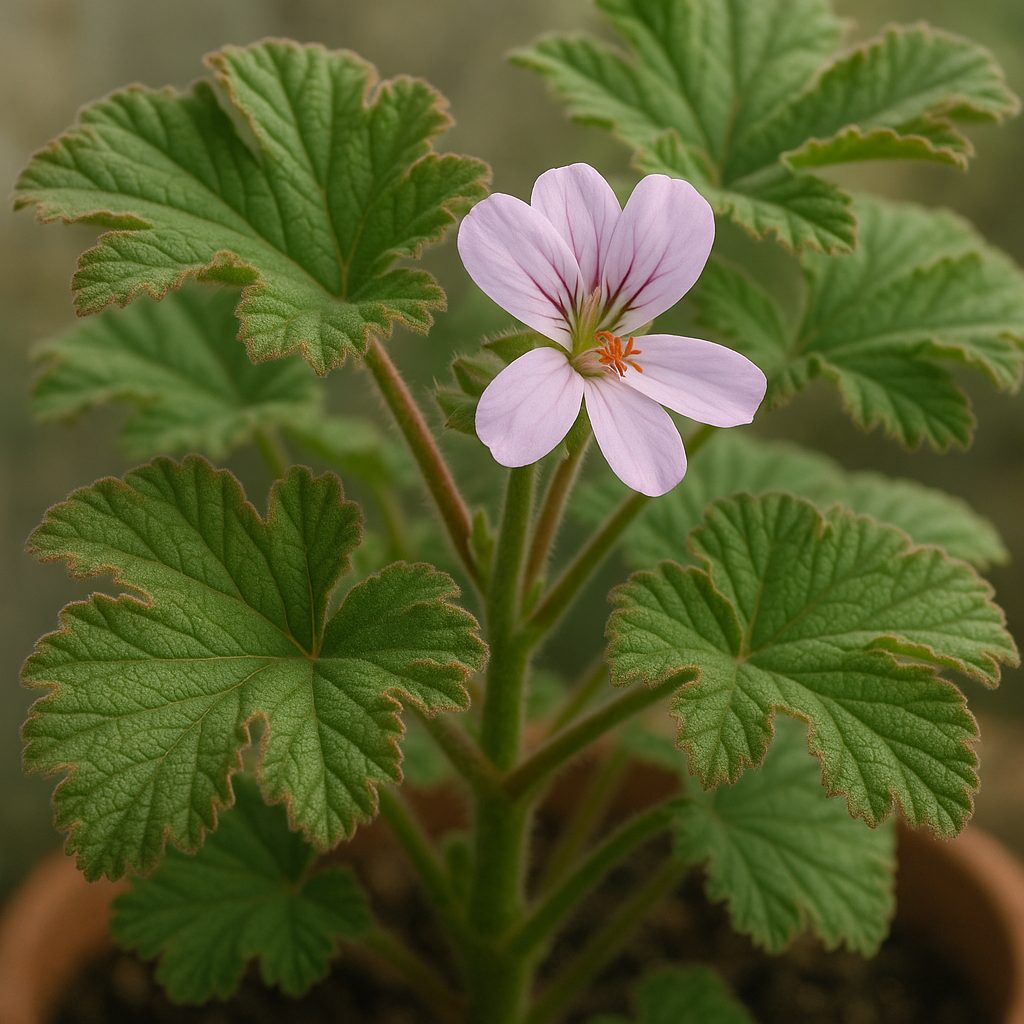
3. Scented Geranium (Pelargonium graveolens or Pelargonium citronella)
Often sold under the name “citronella geranium,” this geranium releases a lemony scent that bothers mosquitoes. It adapts very well to balconies and window boxes. Contrary to some common beliefs, rubbing the leaves actually activates the repellent potential — a useful practice before opening a door or settling outside.
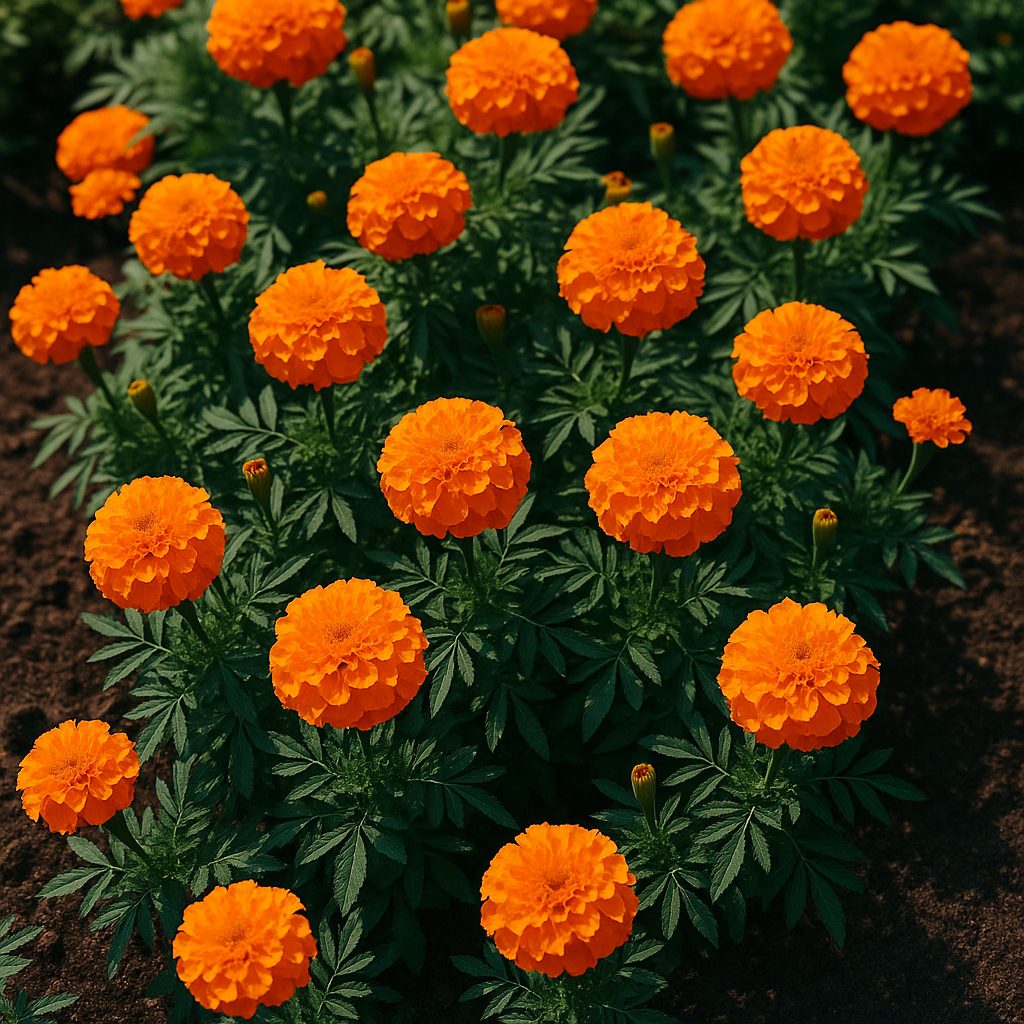
4. Marigold / Tagetes (Tagetes spp.)
Marigold contains terpenes that disturb a wide range of insects, including mosquitoes. It is a valuable ally along vegetable garden borders as it also helps discourage other pests. Easy to grow, it blooms for a long time and tolerates poor soils.
5. Rosemary (Rosmarinus officinalis)
Rosemary releases intense aromatic oils when its stems are crushed: the strong smell has a moderate repellent effect on mosquitoes. Very suitable for barbecue corners and Mediterranean flower beds, it has the advantage of being edible and decorative.
6. Basil (Ocimum basilicum)
More than just a culinary plant, basil emits aromatic compounds that discourage the presence of mosquitoes in the immediate vicinity. Place pots near doors and windows; on a table tray, rubbing a few leaves is enough to release a temporary protective scent.
7. Peppermint (Mentha × piperita)
Peppermint is vigorous and, if controlled, constitutes a useful natural repellent: the menthol it releases disrupts insects. However, plant it in a pot to prevent it from overwhelming other crops, and avoid direct contact with eyes after crushing the leaves.
8. Chrysanthemum (Chrysanthemum cinerariifolium)
Some chrysanthemum species produce pyrethrins, substances long used as natural insecticides. In ornamental gardens, they help reduce mosquito pressure; however, for safe domestic use, prefer plants rather than chemical concentrates extracted without regulation.
9. Catnip / Nepeta (Nepeta cataria)
Catnip, known for its effect on cats, also contains compounds that effectively repel certain mosquitoes. It is an interesting option in flower beds, but it may attract felines — keep this in mind if you are sensitive to their presence.
10. Lemon Eucalyptus (Eucalyptus citriodora)
Lemonal is also found in certain eucalyptus varieties; as an essential oil, lemon eucalyptus is a recognized repellent. In open ground, the tree can grow large; prefer a potted form or use the diluted essential oil, respecting safety instructions.
Comparison Table: Practical Characteristics
| Plant | Active Compound | Best Location | Practical Use |
|---|---|---|---|
| Lavender | Linalool | Sun, border | Pots, crush stems |
| Lemongrass | Citronellal | Pots near the terrace | Potted plant, oil |
| Scented Geranium | Geraniol | Balcony, window box | Crush leaves |
| Marigold | Terpenes | Vegetable garden border | Decorative bed |
| Chrysanthemum | Pyrethrins | Sunny bed | Decorative, limited protection |
How to Maximize the Effectiveness of Repellent Plants
It is not enough to line up a few pots to create an anti-mosquito bubble. The idea is to create diffusion points close to places of stay: terraces, doors, and entry points. Here are some simple and effective actions:
- Plant in groups to create a continuous emission zone rather than an isolated plant.
- Place pots at human height (railing, table) so that the volatile compounds reach the occupied space.
- Rub or crush a few leaves just before an evening: the repellent becomes active instantly.
- Consider infusions or macerations to spray around sensitive areas (test on a small surface to avoid stains).
- Combine with physical measures: mosquito nets, elimination of stagnant water, covering clothing.
Precautions and Limits
These plants help but do not replace complete protection against diseases transmitted by certain mosquitoes. Essential oils are powerful and can irritate the skin or respiratory tract: do not apply them pure on the skin and avoid use in infants without medical advice. Some species attract other animals (cats for catnip) or invade flowerbeds (mint) — adapt your choice to your space and household.
Examples of Arrangements According to Location
City Balcony
Favor lavender, scented geranium, and potted citronella. Placing containers along the railing creates an immediate and decorative olfactory barrier.
Family Garden
Combine beds of marigolds, borders of rosemary, and a few plants of chrysanthemum. Provide shaded areas and remove stagnant water points to reduce breeding sites.
FAQ
Are anti-mosquito plants more effective than a spray?
No, they do not replace a spray based on regulated active ingredients for individual protection. They reduce local presence and provide olfactory comfort, but their range is limited in open air.
Can I use the essential oils of these plants directly on the skin?
Never pure. Dilute an essential oil in an appropriate vegetable oil and test on a small area. For children, pregnant women, or vulnerable people, seek medical advice before use.
How long does it take to see the effect after planting?
Depending on the plant and the season, the effect is noticeable from flowering or leaf crushing. For perceptible protection, wait until the plants are well established (a few weeks to a few months).
Practical Conclusion
These ten plants offer a range of aesthetic and useful options to reduce the discomfort caused by mosquitoes. Their interest lies as much in practicality as in the atmosphere they create: scents, blooms, and biodiversity. By combining strategic planting, regular maintenance, and barrier gestures, comfort is gained without giving up a natural approach.
{
“@context”: “https://schema.org”,
“@type”: “WebPage”,
“about”: {
“@type”: “Thing”,
“name”: “repellent flowers against mosquitoes”
},
“keywords”: [“repellent flowers”, “lavender”, “tagetes”, “citronella”, “scented geranium”]
}