
Sommaire
Installing plants inside your home is not just for decoration: some species act as real natural filters, capable of absorbing volatile organic compounds, improving humidity, and softening the atmosphere. This article reviews ten easy-to-find air-purifying plants, with their specific benefits, needs, and tips to maximize their effectiveness without complicating your life.
In brief
🌷 Top 10 listed: hardy plants like Pothos, Sansevieria, and Aloe vera are versatile, require little maintenance, and effectively filter several household pollutants.
🛸 Maintenance: most tolerate indirect light and spaced watering — perfect if you travel or sometimes forget to water.
📇 Placement: for real effects, multiply the number of plants in frequently used rooms (living room, bedroom, office) rather than placing a single isolated plant.
⚠️ Precautions: some species are toxic to pets or children; check before placing in accessible areas.
Why do some plants purify the air?
We tend to imagine that the plant is simply decorative. In reality, several mechanisms are involved — foliar absorption of gases, root assimilation via the substrate, and the action of soil microorganisms that degrade molecules. Studies have shown that some species reduce the concentration of compounds like benzene, formaldehyde, and trichloroethylene. It’s not a miracle cure: leaf surface area, number of plants, and ventilation matter. But, when integrated intelligently, these plants contribute to a fairly effective and above all aesthetic air quality improvement strategy.
Top 10 air-purifying plants
Here is a pragmatic selection: I favor species that are easy, effective, and widespread — those you will find in nurseries or garden centers without breaking the bank.
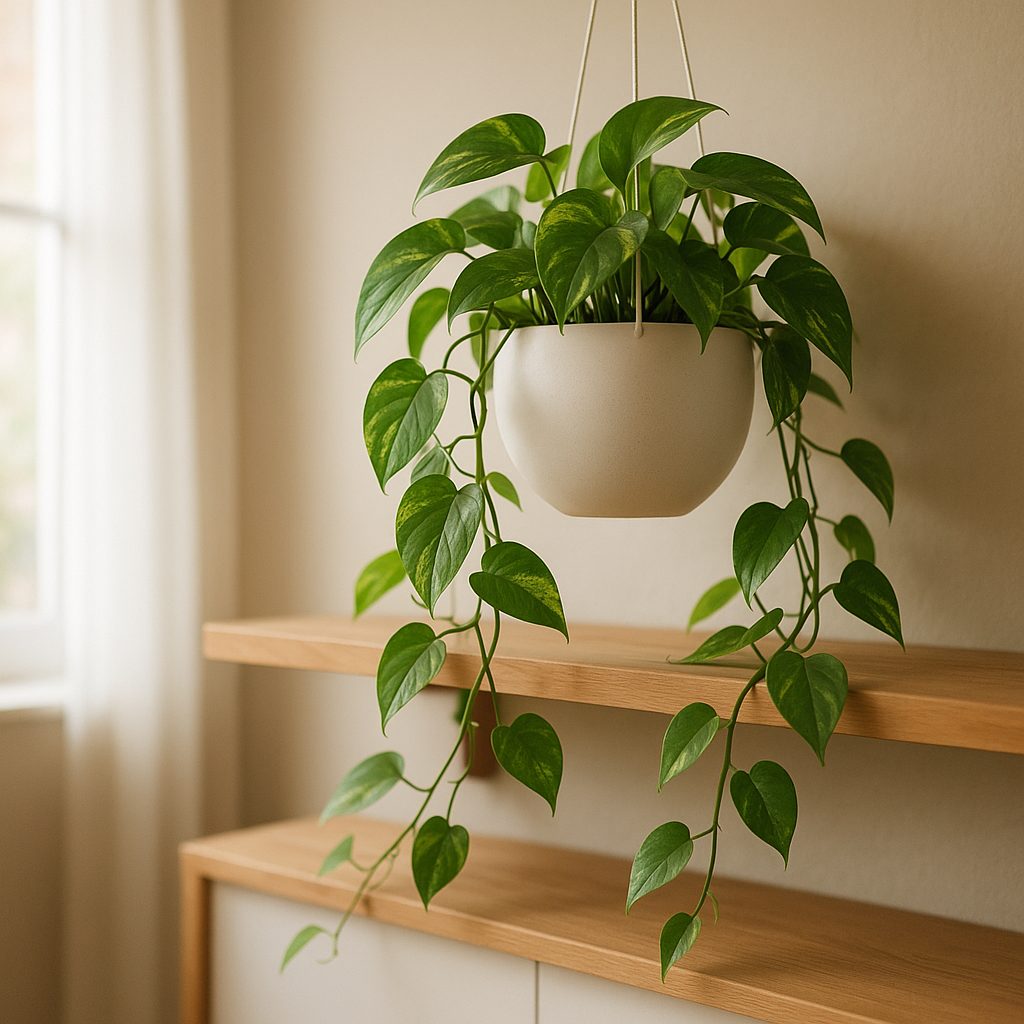
1. Pothos (Epipremnum aureum)
Pothos is the all-around champion for beginners: it tolerates low light, missed waterings, and frequent pruning. It absorbs several VOCs (volatile organic compounds) and is ideal hanging or on high shelves where its vines elegantly cascade. Tip: prune regularly to stimulate growth and multiply plants — a few cuttings are enough to quickly create a dense green corner.
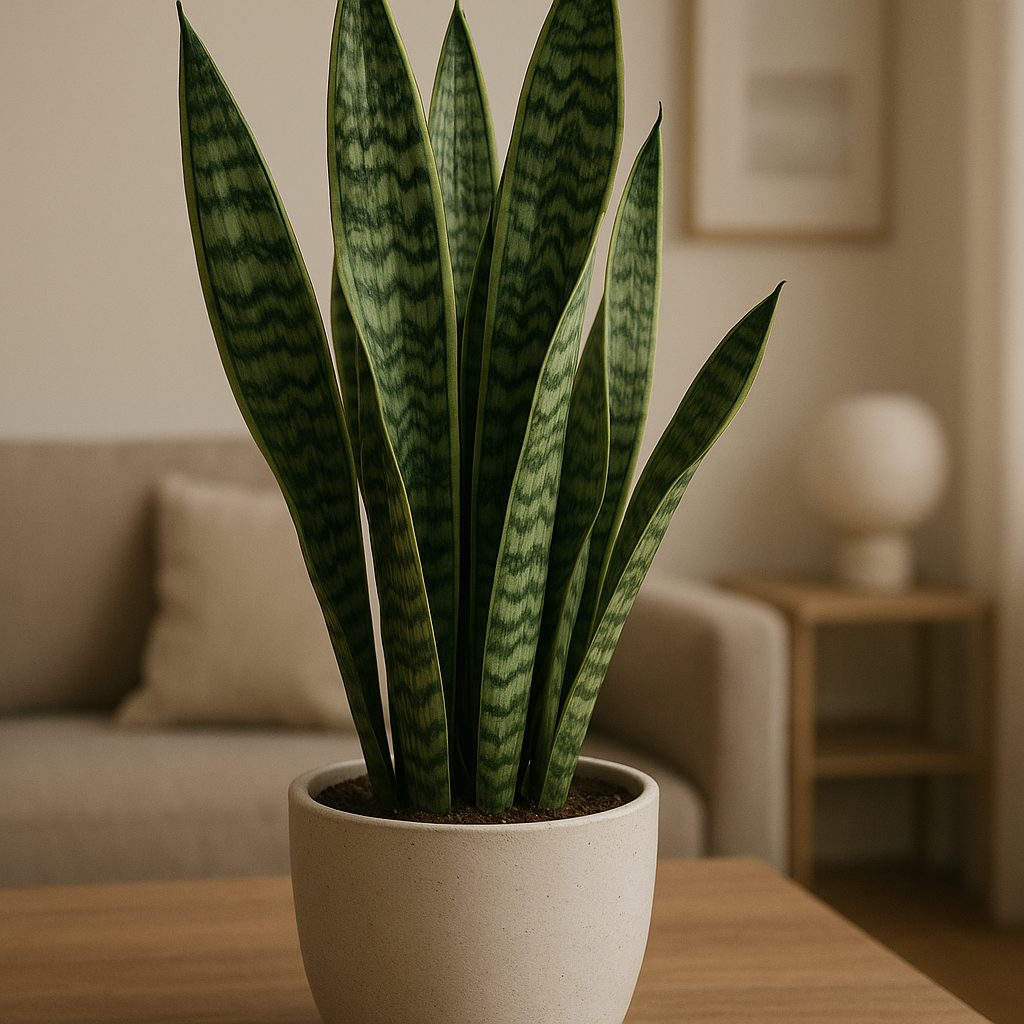
2. Sansevieria / Mother-in-law’s tongue (Sansevieria trifasciata)
Sansevieria is almost indestructible. It produces oxygen at night and tolerates dry environments, making it a perfect plant for the bedroom. It notably filters benzene and formaldehyde. However, be careful: moderate toxicity for pets.
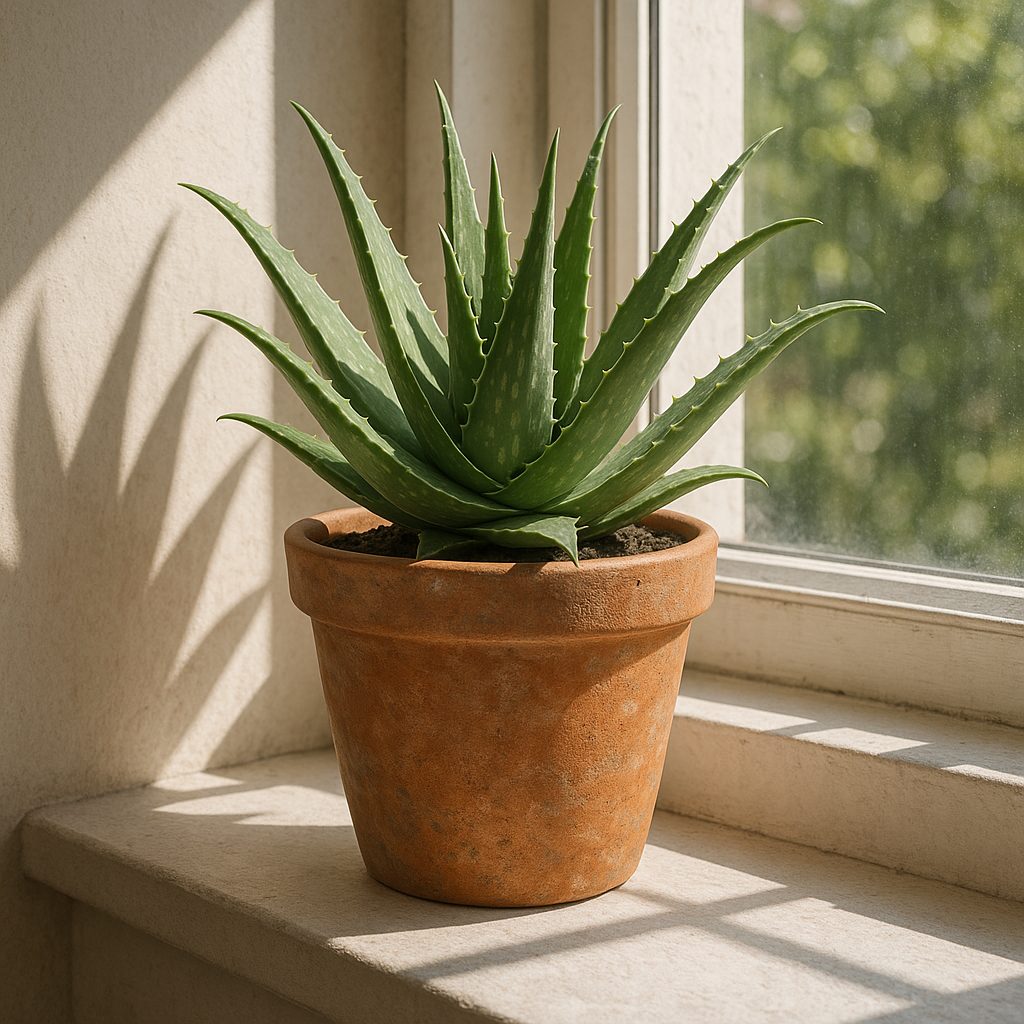
3. Aloe vera
Beyond the well-known gel, Aloe vera helps purify the air and requires little watering. Place it on a bright windowsill but without scorching sun. The gel can be used locally for minor burns — caution: toxic if ingested by dogs and cats.
4. Ficus elastica (rubber plant)
The Ficus has a good ability to absorb certain particles and pollutants. It likes indirect light and moderate humidity. Its size allows it to create a focal point in the living room, and its large leaves are effective at capturing dust.
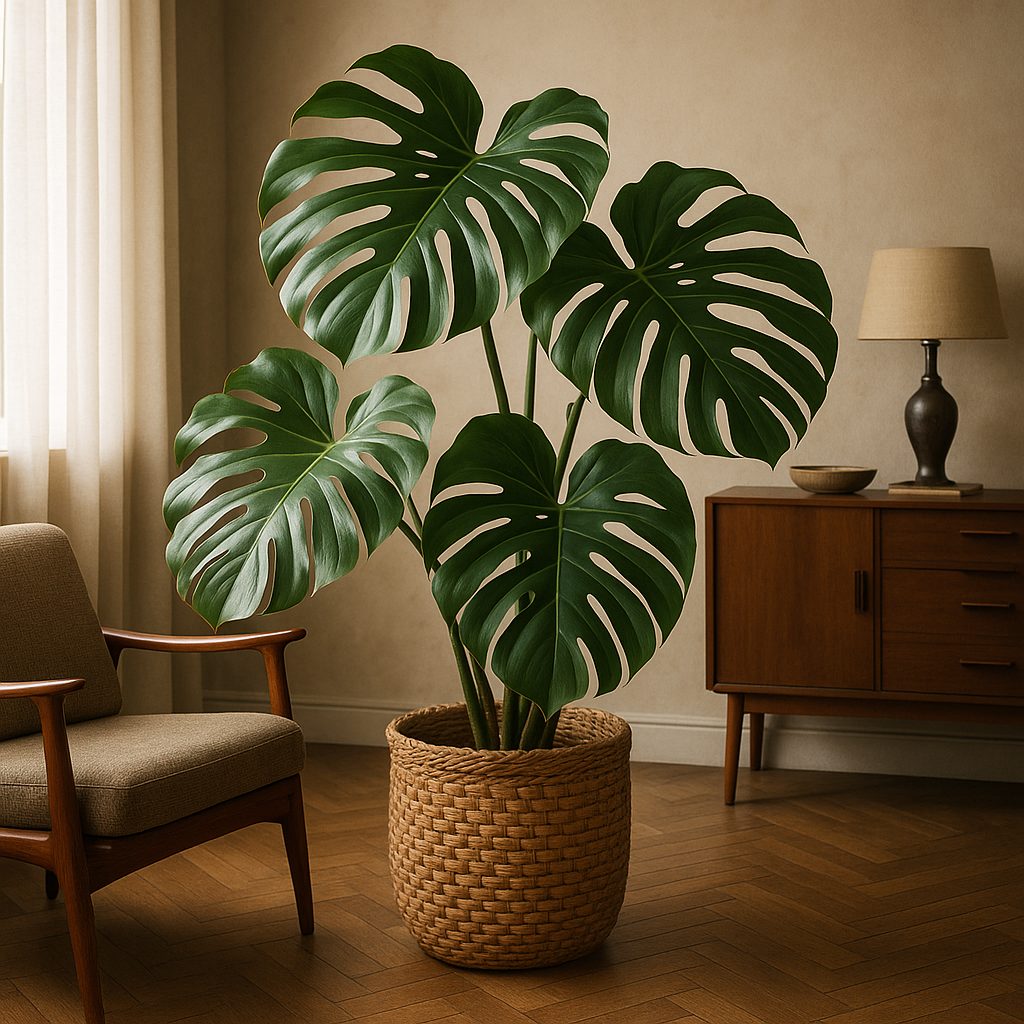
5. Monstera deliciosa
The Monstera serves a dual role: depollution and spectacular decoration. It absorbs ambient air through its large perforated leaves, stores humidity, and offers a tropical look without eccentricity. Best suited for well-lit rooms.
6. Areca palm (Dypsis lutescens)
The Areca palm is a natural humidifier and filters certain pollutants. It requires a sizable pot and sufficient light, but it transforms a room into a comfortable oasis — ideal for large spaces.
7. Chlorophytum comosum (spider plant)
Easy and prolific, the spider plant is often cited for its ability to eliminate carbon monoxide and xylene. It tolerates varied conditions and produces offshoots that can be propagated as cuttings.
8. Philodendron
Philodendrons are adaptable and effectively filter several organic compounds. Their dense foliage helps trap dust. They appreciate indirect light and moderate watering.
9. Boston fern (Nephrolepis exaltata)
Ferns excel at increasing humidity and filtering certain pollutants; however, they require a bit more attention: regular misting and a substrate that is always slightly moist. They are well suited for bright bathrooms.
10. Areca / Bamboo palm (Chamaedorea seifrizii)
Often confused with the traditional Areca, the bamboo palm is appreciated for its ability to purify the air and its contained growth; it tolerates typical indoor environments and adds elegant verticality.
Quick comparison — strengths table
This table summarizes required light, ease of maintenance, and targeted pollutants.
| Plant | Light | Maintenance | Targeted Pollutants |
|---|---|---|---|
| Pothos | Low to indirect | Very easy | Benzene, formaldehyde |
| Sansevieria | Low to direct | Very easy | Benzene, formaldehyde |
| Aloe vera | Bright light | Easy | Formaldehyde |
| Monstera | Indirect light | Easy | Particles, dust |
| Boston fern | Cool indirect | Moderate | Humidity, particles |
Practical Tips to Maximize Efficiency
- Multiply the plants: several small specimens spread out are more effective than one large isolated one.
- Ensure the health of the substrate: living soil promotes the action of microorganisms that break down certain pollutants.
- Avoid excess fertilizer: too much fertilizer can unbalance the pot’s microflora and reduce purification capacity.
- Ventilate regularly: plants + ventilation = synergy; the plant does not replace air renewal.
- Manage water: stagnation promotes root diseases; prefer pots with holes and drainage.
Where to place each plant?
To optimize: Pothos and Philodendron in living rooms, Sansevieria in bedrooms, Aloe vera on a windowsill, ferns in the bathroom. The palm or Monstera take up space but transform the area and purify effectively.
Quick Maintenance Table
| Plant | Watering | Repotting | Particularity |
|---|---|---|---|
| Pothos | Once every 10-14 days | 2-3 years | Very tolerant |
| Sansevieria | Once every 3-6 weeks | 3-4 years | Tolerates drought |
| Aloe vera | Once every 2-3 weeks | 2-3 years | Useful gel |
| Boston fern | Frequent misting | 2 years | High humidity |
Precautions and Domestic Animals
Some of these plants are toxic to dogs and cats — Sansevieria, Aloe (ingestion), Ficus — so if you have curious pets, prefer hanging plants out of reach or non-toxic species. For children, avoid small accessible pots containing plants with irritating leaves.
FAQ
Are air-purifying plants enough to make the air healthy?
No. They complement good air hygiene but do not replace effective ventilation nor the reduction of pollution sources (household products, paint, tobacco). Their role is to be an active and aesthetic filter within a global strategy.
How many plants are needed to see an effect?
Studies vary, but a practical recommendation is to have at least 2 to 3 plants per main room. The effect is cumulative: several small plants spread out improve the air more than one large isolated specimen.
What to do if my plants seem to weaken?
Check the basics: lighting (too much/too little), watering (excess or lack), drainage, and pests. Repotting or changing the substrate often revitalizes declining plants.
Can I use a pot without holes for aesthetics?
Yes, but prefer a cachepot with an inner pot that has holes to avoid water stagnation. Otherwise, the risk of root rot increases quickly.