
Sommaire
Green plants and healthier air: the combination often works better than you think. Between visually brightening a dull corner and actually improving indoor air quality, some species provide a real service — without chemicals, just light, water, and a bit of attention. This article presents ten plants identified for their air-purifying properties, practical care tips, and guidelines to integrate them into your home without turning every pot into a hassle.
In brief
🌷 10 selected plants: spider plant, snake plant, peace lily, pothos, Boston fern, rubber plant, aloe vera, English ivy, bamboo palm, and aglaonema. Each acts on common pollutants such as formaldehyde or benzene.
☀️ Simple conditions: most require indirect light and moderate watering. Some tolerate shaded corners while others prefer filtered sunlight — choose according to your room.
⚠️ Toxicity and safety: several are toxic to dogs and cats (e.g., peace lily, rubber plant). If you have pets, favor locations out of reach or opt for non-toxic species.
🧹 Useful care: light repotting every 1–2 years, dusting leaves, and well-draining soil. Some plants also produce discreet indoor flowers and add humidity in dry atmospheres.
Why plants to purify the air?
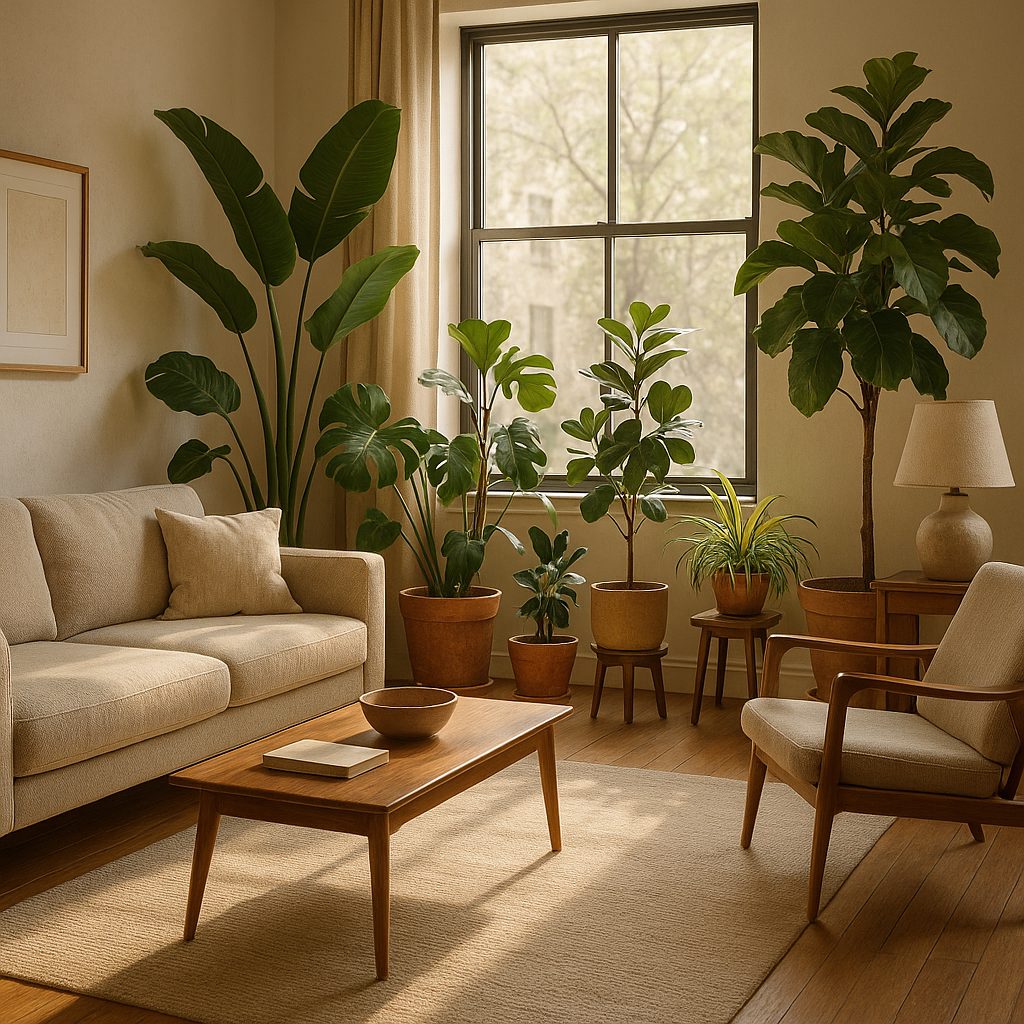
Plants are often thought of as mere decorative elements. However, they play a role in indoor balance: they absorb certain volatile organic compounds (VOCs) through their leaves and soil, contribute to ambient humidity, and improve psychological well-being. The effect varies depending on the species, vegetated surface area, and room ventilation. In practice, a single plant will not replace good ventilation, but combined with other measures, it reduces the concentration of common pollutants and contributes to more pleasant air.
The 10 plants and how to use them
1. Chlorophytum comosum — the famous spider plant
The chlorophytum is often recommended for beginners: robustness, fast growth, and low light requirement. It effectively absorbs formaldehyde and certain solvents. An aerial plant par excellence, it tolerates repotting and irregular watering, making it an excellent candidate for offices and kitchens.
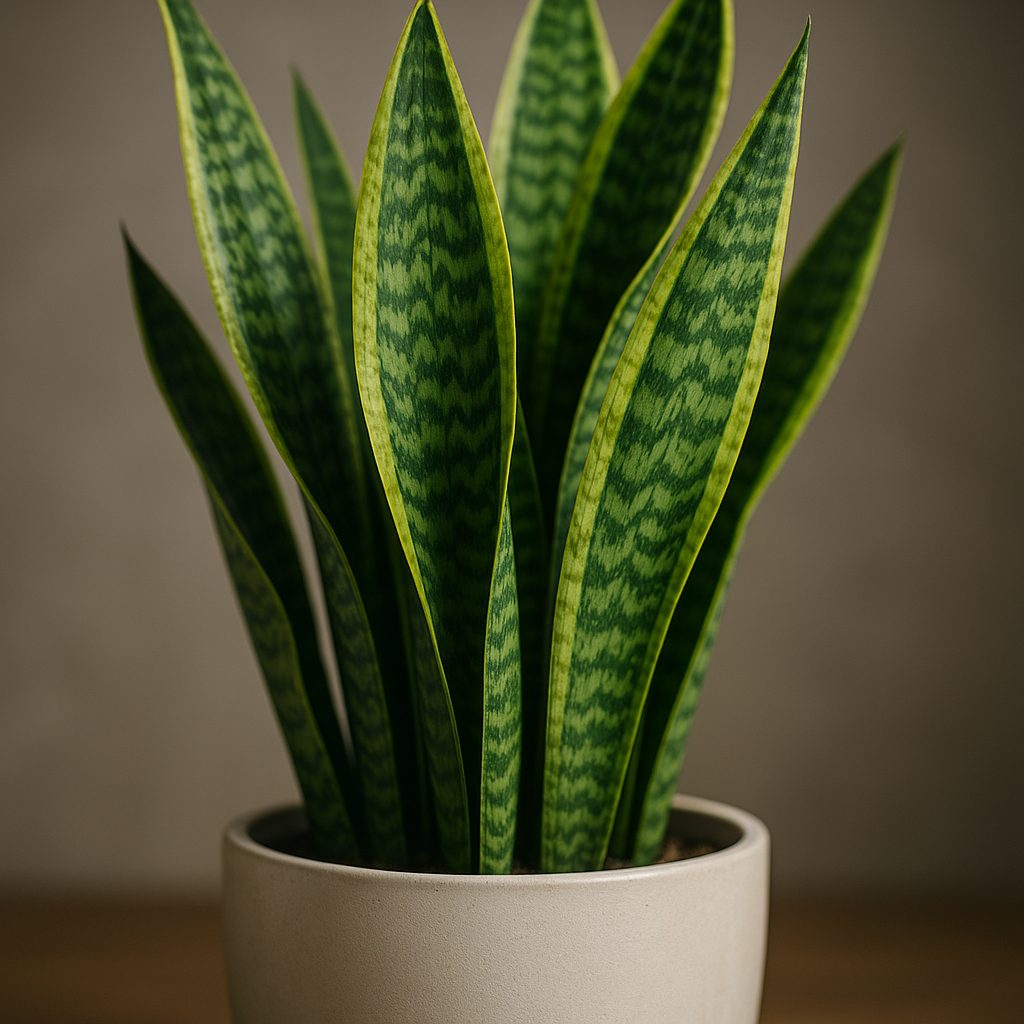
2. Sansevieria / Dracaena trifasciata — snake plant (mother-in-law’s tongue)
The snake plant is almost indestructible and produces oxygen at night, making it useful in the bedroom. It tolerates dryness and low light levels. Among the targeted pollutants are benzene and formaldehyde. Warning: toxic if ingested — keep it out of reach of curious children.
3. Spathiphyllum — peace lily
Highly appreciated for its elegant white flowers, the spathiphyllum excels at capturing benzene, trichloroethylene, and formaldehyde. It likes humidity and indirect light. However, it is toxic to animals and children; handle it with gloves if you prune its leaves.
4. Epipremnum aureum — pothos (devil’s ivy)
Pothos is an easy vine to manage: hanging or on shelves, it filters VOCs like formaldehyde and xylene. Its ability to tolerate low light areas makes it an ally for dark spaces where few other plants thrive.
5. Nephrolepis exaltata — Boston fern
The Boston fern adds a lot of humidity to the air and helps reduce formaldehyde. It prefers a cool, humid atmosphere and requires regular watering. It is an ideal option for bright bathrooms and kitchens.
6. Ficus elastica — rubber plant
The rubber plant has large shiny leaves that capture dust and pollutants. It tolerates bright indirect light and helps reduce formaldehyde. Moderate repotting and good drainage are enough to keep it vigorous.
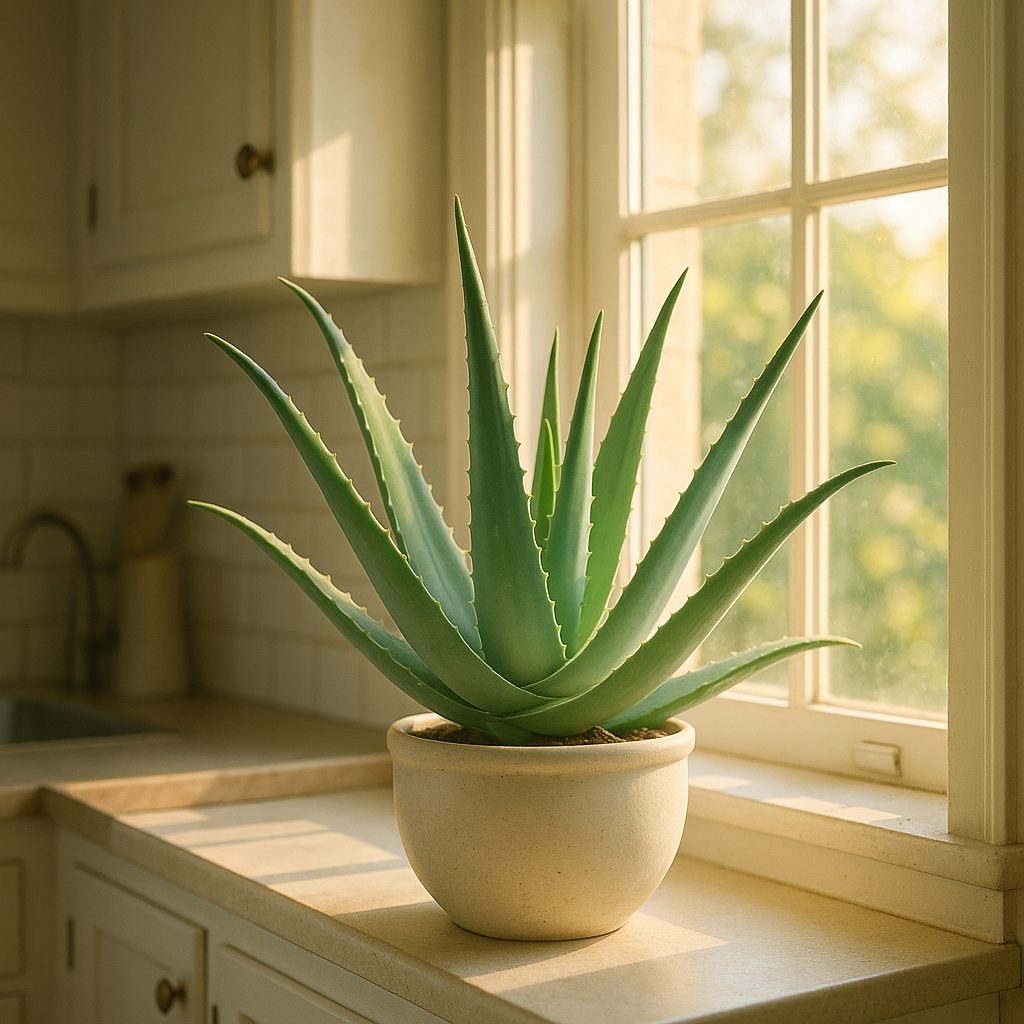
7. Aloe vera
Aloe is known for its topical virtues, but it also contributes to air quality by absorbing formaldehyde. As a succulent plant, it requires sparse watering and bright exposure. It is practical in a kitchen or near a sunny window.
8. Hedera helix — English ivy
Ivy is frequently cited for its effectiveness against airborne particles and certain solvents like benzene. It climbs quickly and adapts indoors in hanging pots or on trellises. Plant it in a light substrate and keep the soil moist during active growth.
9. Chamaedorea seifrizii — bamboo palm
The bamboo palm is an elegant indoor plant that helps filter several VOCs and increase relative humidity. It requires indirect light and regular watering without water stagnation. Its light silhouette fits well with contemporary interiors.
10. Aglaonema — Chinese evergreen
Aglaonema is appreciated for its shade tolerance and its ability to reduce the presence of benzene and formaldehyde. Available in variegated varieties, it brightens dark rooms while requiring minimal maintenance.
Summary Table: Targeted Pollutants and Essential Needs
| Plant | Frequently Targeted Pollutants | Light | Watering | Remarks |
|---|---|---|---|---|
| Chlorophytum | Formaldehyde, xylene | Indirect | Moderate | Very easy |
| Sansevieria | Benzene, formaldehyde | Low to bright | Little | Nocturnal oxygen |
| Spathiphyllum | Benzene, trichloroethylene, formaldehyde | Indirect | Regular | Toxic |
| Pothos | Formaldehyde, benzene | Low to indirect | Moderate | Hanging |
| Boston fern | Formaldehyde | Indirect, humid | High | Likes humidity |
| Ficus elastica | Formaldehyde | Bright indirect | Moderate | Broad leaves |
| Aloe vera | Formaldehyde | Sunny | Low | Succulent |
| English ivy | Benzene, formaldehyde | Indirect | Moderate | Can be invasive |
| Bamboo palm | Formaldehyde, benzene | Indirect | Regular | Increases humidity |
| Aglaonema | Benzene, formaldehyde | Low to indirect | Moderate | Ideal for dark rooms |
Practical Tips to Maximize the Purifying Effect
- Gather several plants rather than relying on just one: the effect is cumulative.
- Ventilate regularly: plants do not replace adequate ventilation.
- Avoid waterlogging: good drainage prolongs root health and filtration capacity.
- Clean the leaves: dust reduces the efficiency of gas exchange.
- Vary locations: some plants prefer the bathroom, others the living room or bedroom.
Precautions and Choices According to Your Home
If you have pets, check the toxicity of each plant. Many indoor models are toxic to dogs and cats — it’s better to avoid spathiphyllum or ficus if your companions nibble on everything they find. For homes with little light, favor aglaonema, pothos, or sansevieria. Finally, adjust the number of plants to the room’s size: too few plants won’t make much difference, too many pots in a confined space can retain humidity and promote mold growth if ventilation is insufficient.
FAQ
Which plant to choose for a bedroom?
Sansevieria is a good choice: it tolerates night time and produces oxygen. Otherwise, a small fern or pothos is enough if the space is dark.How many plants for a 20 m² living room?
Count on 3 to 6 medium-sized pots for a visible effect: diversity > quantity.Can plants be placed in the bathroom?
Yes, provided there is some light: fern and bamboo palm appreciate humidity.Do plants eliminate CO2?
Yes, but their impact is limited for humans: they mostly filter VOCs and improve humidity and visual comfort.
Summary
Installing indoor plants is both an aesthetic and beneficial solution for air quality. By choosing species adapted to your lighting, controlling watering, and respecting precautions regarding animals, you transform an ordinary space into a healthier and more pleasant corner. Combine vegetation, ventilation, and healthy materials for a truly effective result.