Sommaire
Top 10 Artisan Trades Accessible Without Long Studies
| 📌 | Quick access: several artisan trades are open with a CAP, apprenticeship, or progressive entry into a company. |
| 🛠️ | Concrete examples: painter, tiler, plasterer, baker, florist, or retoucher are among the clearest paths. |
| 💶 | Starting cost: it often varies from a few hundred euros to a few thousand depending on the tools and the targeted trade. |
| 🎓 | Without long studies does not mean without training: practice, apprenticeship, and trade skills remain essential. |
| 🚧 | Point of caution: some artisan activities are regulated and require recognized qualifications or experience. |
| 🔎 | Good reflex: test the trade through immersion, apprenticeship, or a short internship before financing a complete career change. |
Manual trades are coming back to the forefront, especially for those who want to learn quickly, work concretely, and avoid a long study path. But behind the appealing idea of an “accessible” trade, there is a more nuanced reality: some positions are learned quickly, others require solid technical foundations, and some activities remain regulated by law. Here is a clear guide to identify the Top 10 artisan trades truly feasible without long studies, with concrete examples, realistic entry paths, and points of caution to know before starting.
What does an artisan trade accessible without long studies really mean?
An artisan trade accessible without long studies is a trade that can be entered via a CAP, a professional title, apprenticeship, or progressive entry into a company. Access is faster, but know-how is not improvised: it is mainly built through practice.
In fact, “without long studies” does not mean “without qualification” nor “without effort.” It rather means that it is not necessary to go through three to five years of higher education to enter the trade. In craftsmanship, many skills are acquired in real situations: repetition of gestures, site reading, customer relations, compliance with standards, mastery of materials and tools. This is precisely what makes these paths attractive for people changing careers, young people who want to quickly enter employment, or very hands-on profiles who learn better by doing.
According to Onisep and the resources of the Chambers of Trades and Crafts, the most common access routes are the CAP, apprenticeship, professional titles, and in some cases, hiring as an assistant or helper before gaining skills. To take a step back on the Top 10 artisan trades, one must therefore look not only at initial training but also at how quickly one can become operational.
What is meant by “without long diploma”
Practically, this covers training from 6 months to 2 years depending on the trade and profile. A CAP is often prepared in 2 years, but it can be accelerated to 1 year for an adult already qualified or changing careers. Some professional titles or intensive modules are even shorter. In construction, it is not uncommon to start with simple tasks under supervision, then gain autonomy as the gestures become confident.
In practice, residents of cities like Lyon or Nantes often see these trades through daily construction sites, local shops, or neighborhood workshops. It is a good framework: an accessible artisan trade is generally a trade whose basics can be quickly transmitted on the ground, even if true mastery then takes several years.
Limits to Know Before Getting Started
It should also be noted that some artisanal activities are regulated. In France, practicing several building trades or trades related to security, hygiene, or processing requires a qualification, an appropriate diploma, or sufficient professional experience to set up independently. Registration, activity, and qualification rules can be checked on the official Service-Public.fr sheet on artisanal activities.
In the field, it is observed that those who succeed best in entering the artisan sector are rarely those who seek the “easiest” path, but rather those who accept a concrete, sometimes physical learning phase, and a step-by-step progression.
How to Identify the Most Accessible Artisan Trades at the Start?
The most accessible artisan trades at the start are often those that combine a short initial training, a reasonable tool cost, and simple first tasks to perform under supervision. The existence of apprenticeship offers or helper jobs is a very good indicator.
The first criterion is the time needed to become useful in a company. An accessible trade generally allows you to contribute quickly on simple tasks, then learn finishing, advanced technique, and autonomy later. This is often the case for painting, drywall, tiling, or touch-ups. Conversely, very technical, highly regulated trades or those requiring strong precision from the start sometimes require a longer entry time, even with a CAP.

Good Criteria for Comparison
To compare intelligently, look at at least four elements: training duration, initial equipment cost, local job prospects, and the possibility to start as an employee. A building painter can start with basic equipment costing around €200 to €600, whereas a carpenter or locksmith will often have to invest more in tools. In the food sector, the issue is not only personal equipment but also hours, pace, and hygiene requirements.
- Reasonable initial training: often between 6 months and 2 years.
- Transferable skills: a trade where you progress quickly under supervision.
- Possible progressive entry: apprentice, helper worker, junior employee, workshop assistant.
- Real local market: renovation, repairs, local commerce, services.
To refine this choice, a visit to our guide choosing a beginner artisan trade can help you cross-reference your constraints, manual level, and tolerance for work pace.
Accessibility Signals to Watch For
A trade is often more accessible when you spot apprenticeship offers, helper positions, or companies willing to train. France Travail regularly posts such announcements, especially in building finishing, local services, and some food trades. Another good sign: the existence of a clearly identified CAP, with visible job prospects in your employment area, for example around Lille, Toulouse, or Angers, where renovation and artisanal shops remain well established.
10 Artisan Trades Without Long Diplomas to Consider
Here is a realistic selection of trades where access can be relatively quick, provided you accept concrete skill learning. Not all require the same physical investment, client relationship, or creativity. The idea is not to promise a shortcut but to show credible entry points.
Building and Intervention Trades
1. Building painter: probably one of the clearest entry points. The basics are learned quickly, the first results are visible, and there is demand in both renovation and new construction. Precision and surface preparation make the difference.
2. Tiler: a technical trade but accessible with good logic, patience, and a taste for finished work. One often starts with preparation, cutting, and simple laying before moving on to more complex layouts.
3. Drywall installer: highly sought after in many areas. The trade requires rigor, reading plans, and a good sense of volume. Entry is often through apprenticeships or in finishing teams.
4. Carpenter fitter: more accessible than pure manufacturing for some profiles, as installing windows, doors, cupboards, or kitchens allows for progressive skill development on site.
5. Locksmith-metalworker: access can be quick in some workshops or in installation, but the trade quickly demands real precision. It is interesting for manual profiles who like metal, fitting, and varied interventions.
Manufacturing and Service Trades
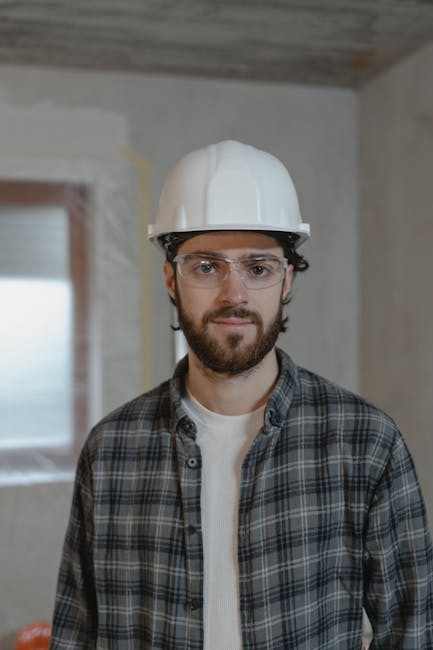
6. Baker: a demanding trade in terms of hours, but accessible via CAP and apprenticeship. The repetition of gestures, endurance, and consistency often count more than a long academic path.
7. Pastry chef: requires more precision and rigor in weighing, baking, and finishing. It’s a good choice if you like controlled repetition as much as creativity.
8. Florist: accessible through CAP or on-the-job training, with a strong commercial dimension. The gesture, sense of color, and customer relations are as important as basic botanical knowledge.
9. Tailor-alterations specialist: very interesting for career changers, especially in urban areas. Technical basics are essential, but entry can be gradual with simple alterations, hems, and common adjustments.
10. Shoemaker or dog groomer: two different worlds, but with one thing in common: learning is largely through practice, observation, and consistency. Shoemakers are becoming rarer, so potentially sought after locally; groomers, on the other hand, are more part of local artisanal service.
A workshop manager often observes that beginners hold up better in these trades when they have tested the real constraints before signing up for training: early morning hours in baking, prolonged standing in floristry, or pace on site for painting and drywall.
If you are still hesitating between manual work, customer relations, and creativity, our page on artisan trade skills helps to understand what really leads to success in these fields.
What path allows quick entry into these trades?
The fastest path often combines field immersion, apprenticeships, or accelerated CAP for adults. The goal is not to artificially shorten training, but to quickly enter a framework where one learns by producing, with real professional support.
Work-study remains a particularly effective path because it allows you to learn the fundamentals while discovering the reality of the job. In craftsmanship, this reality matters a lot: noise, pace, precision, carrying loads, client relations, seasonal or scheduling constraints. This is also why successful career changes often involve a prior immersion of a few days to a few weeks, even before enrolling in a center.
The shortest paths to get started
The most common options are:
- CAP apprenticeship: classic, solid, and recognized path.
- Accelerated adult CAP: often completed in 1 year depending on the initial level.
- Professional title: common in certain building trades.
- Entry as helper or assistant: useful to validate your project before full qualification.
To concretely compare these formats, you can consult our file on artisan training comparison, which puts CAP, vocational baccalaureate, apprenticeship, and adult career changes into perspective.
Starting without wasting time
The most effective approach is often to target a radius of 20 to 40 km around your home, identify training companies, then request an immersion. According to public data and practices observed by the CMA, many craft businesses recruit first based on motivation, punctuality, and willingness to learn, especially in trades under tension. At this stage, a realistic project is better than an “ideal” project that is too vague.
In craftsmanship, the right question is not only “how long does the training last?” but “how long does it take me to become reliable in the eyes of a client or employer?”
Which artisan trades without long diplomas according to your profile?
The right artisan trade without a long diploma depends less on the school level than on the relationship to the gesture, pace, and fieldwork. Physical profiles often head towards the construction site, meticulous profiles towards retouching or pastry, and cautious career changers towards gradual entry.
There is no universally “best” trade. However, there are trades better suited to your way of working. This is where many go wrong: choosing a trade for its image, whereas it should first be chosen for its real constraints, pace, and daily environment.
If you like physical work and construction sites
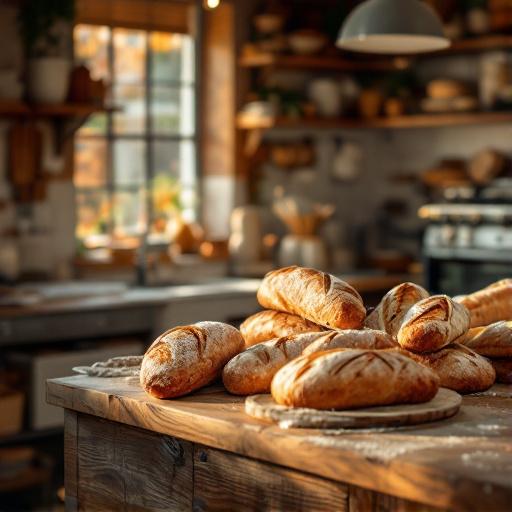
Painting, drywall, and tiling are often good entry points. Progress is visible quickly, which motivates many beginners. However, you must accept travel, physical fatigue, and a strong demand for preparation. A poorly prepared site is immediately visible in the final result.
If you prefer precision or creativity
Retouching, pastry, and floristry are better suited for patient, consistent, and careful profiles. In these trades, the eye, hand, and consistency often weigh as much as inspiration. An error of a few millimeters, grams, or minutes can change the result. This is also what makes them interesting for people who like to refine a gesture until mastering it.
If you aim for a gradual entry
Preferably choose a trade where you can start as a helper, junior assistant, or installer. This limits the risk of making a mistake and allows you to discover the real conditions on the ground before investing more. For practical questions about status, setting up, or initial economic benchmarks, our artisan trades FAQ provides a good complement.
FAQ on artisan trades without long diplomas
Can you become a craftsman without a high school diploma?
Yes, in many cases. A high school diploma is not a mandatory entry requirement for most craft trades accessible through CAP, apprenticeship, or practical training. What matters most is your ability to learn the skills, keep up the pace, and progress on the job.
Do you need a driver’s license to start a craft trade?
Not always, but it helps a lot, especially in construction or intervention trades. In densely urban areas like Paris or Strasbourg, some beginnings are still possible without a car; in suburban or rural areas, having a license often becomes a real logistical advantage.
Which craft trade is the easiest for an adult career change?
There is no single answer, but painting, retouching, and certain installation jobs are often cited as clear entry points. They allow for gradual learning, with an initial investment often more moderate than in trades requiring a fully equipped workshop.
Can you start part-time before a full career change?
Yes, in some cases through immersion, internships, extra work, or occasional assignments, especially in service and artisanal commerce trades. However, to build real expertise, long periods of repeated practice are generally needed, not just a few scattered hours.
What budget should be planned to test a craft trade?
For an initial exploration, often count between 0 and 500 € if you go through immersion, basic equipment, or field observation. The budget then increases with professional clothing, tools, travel, and, depending on the case, training fees.