
Sommaire
Goal: maintain −18 °C and be alerted if there is a temperature rise or power outage. 4 categories: Bluetooth (BLE) sensor, Wi-Fi sensor, wired probe + alarm, USB/PDF datalogger. Quick choice: apartment = Wi-Fi (remote alerts); cellar/garage = BLE (few obstacles); professional use = datalogger compliant with a standard like EN 12830; deep chest freezer = wired probe.
Our verdict ⭐
| Pros | Cons |
|---|---|
| Continuous monitoring, smartphone alerts, history (graph), reduction of waste, simple installation. | Batteries to manage, limited radio range inside freezers, false positives if probe poorly placed, Wi-Fi depends on Internet. |
Rating: 9/10 | Recommended for: families, short/long-term rentals, small professionals (bakeries, food trucks), associations.
Comparison of alarm sensors for freezers

| Type | Ideal for | Strengths | Limitations | Battery life |
|---|---|---|---|---|
| Bluetooth (BLE) | Local tracking (app nearby) | Economical, quick startup, history on smartphone | Limited range (insulated walls), no remote alert without hub | Often 6–24 months (button battery) |
| Wi-Fi | Remote alerts within a home | Push/email notifications, multi-user, data export | Depends on network and router power, sometimes sensitive 2.4 GHz configuration | 6–12 months (batteries) or mains |
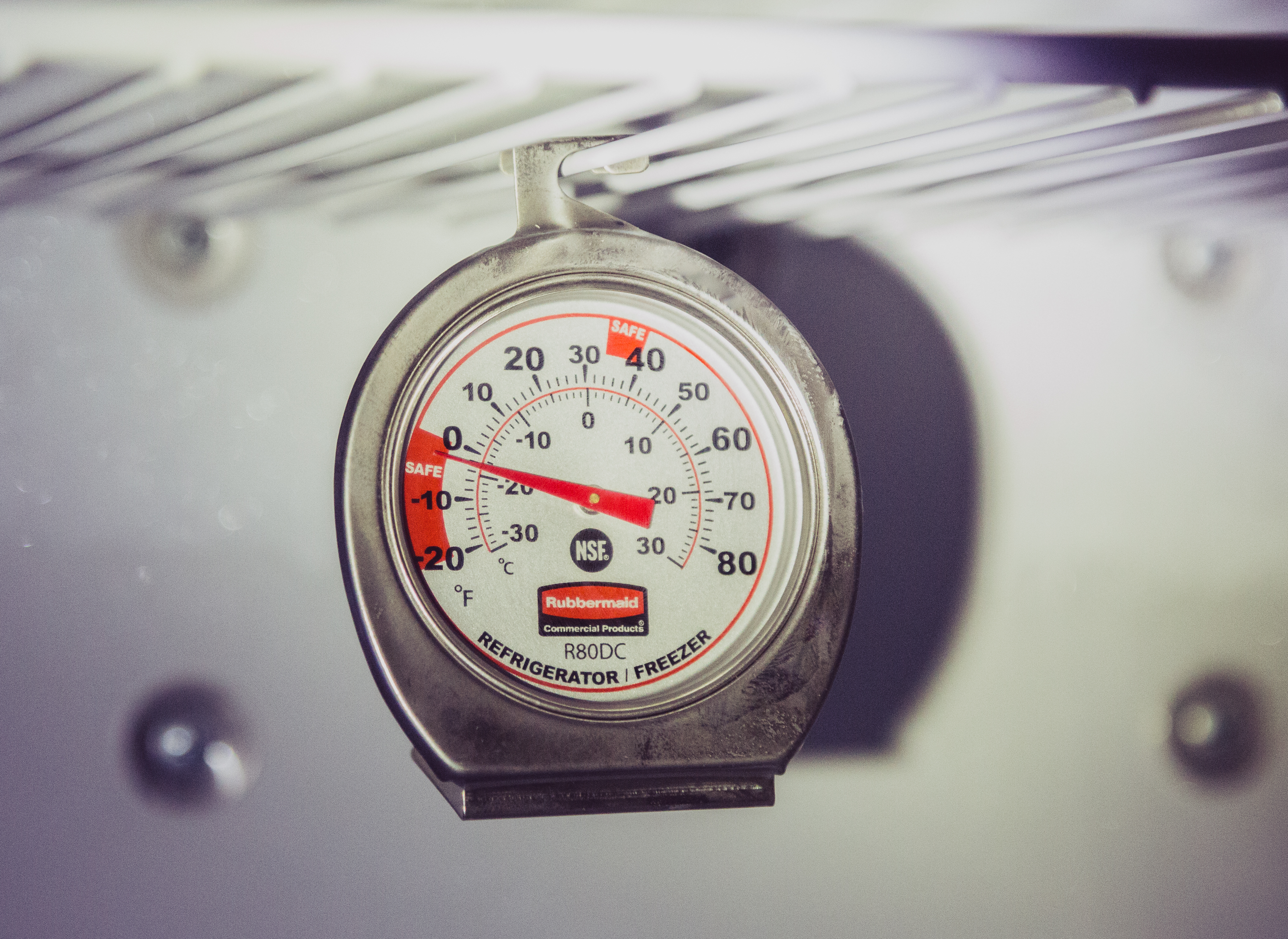
| Wired probe + alarm | Chest freezers, areas with weak signal | Stable measurement at the core; immediate sound/light alarm | Careful cable routing required; no native app | Long-life batteries (case) or mains |
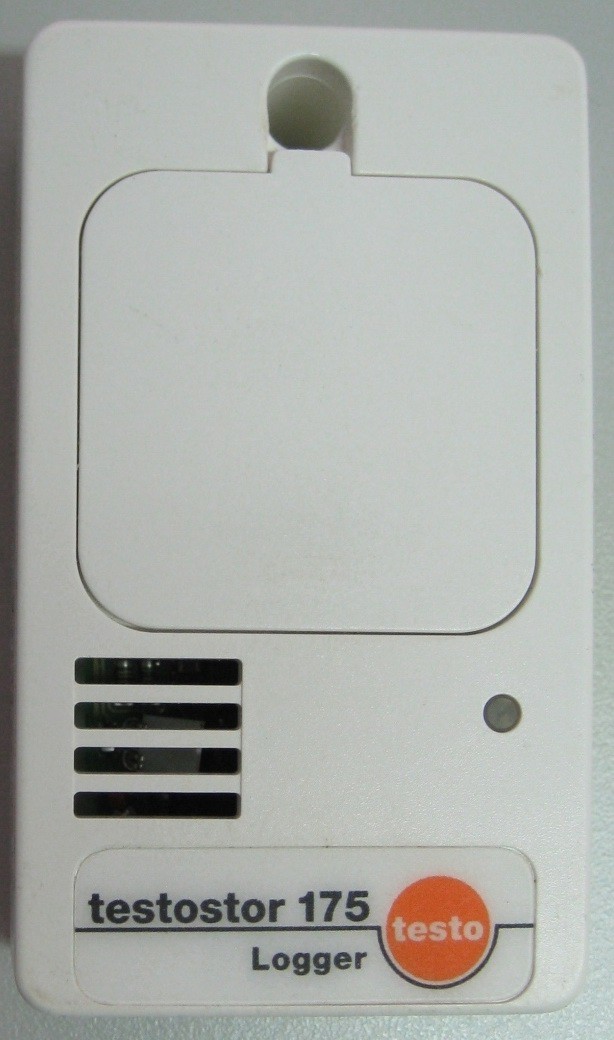
| USB/PDF datalogger | Traceability, quality control (HACCP) | Timestamping, PDF reports, compliance with EN 12830 standard | No real-time alert (depending on model), manual reading | Weeks to months |
Choosing well: truly useful criteria
- Range and accuracy: aim for at least −30 °C and ±0.5 °C for a domestic freezer.
- Probe: wired (core of goods) or internal (air); avoid the door which distorts measurement.
- Alerts: high threshold −15/−16 °C to warn before the dangerous zone; power cutoff if available.
- History: 24–72 h graph to diagnose a ajar door or excessive frost.
- Battery life: easy-to-find CR2032/AA batteries; low battery notification.
- Mounting: hook, magnet, suction cup; watch for airflow.
Need a reminder on the guideline? See: −18 °C: why & how to check.
Step-by-step installation (safe method)
- Place the probe at mid-height, away from walls; if wired, pass through the seal without crushing it.
- Set the high alert threshold to −15/−16 °C (early alert), delay 5–10 min to avoid false alarms.
- Test the alarm: open the door for 2–3 min, check notification and return to normal.
- Record: activate the history; export monthly (CSV/PDF) if HACCP required.
- Maintain: change batteries once a year (or at alert), dust the seal and check the temperature.
If you need to thaw and cook urgently after an incident, follow: Safe meat thawing and Anti-waste.
Practical cases & recommendations
- Apartment: Wi-Fi sensor + push alerts; add a power outage alert (smart plug or UPS).
- Thick garage/cellar: wired probe or BLE with hub placed near the door.
- Pro/small association (ice cream, dishes): datalogger + PDF backups; local visual/sound alarm.
Methodology
Comparison based on usage analysis (home / small business), good practices for the cold chain (maintaining −18 °C), radio criteria (range BLE/Wi-Fi), and traceability needs (dataloggers close to EN 12830). We prioritize simple settings, history, and alert reliability over gadgets.
What we liked ✅ / liked less ⚠️
✅ Liked
- Proactive alerts that prevent waste.
- History useful for diagnosing a ajar door.
- Wired probes very stable in large freezers.
⚠️ Liked less
- BLE range limited by insulating walls.
- Some Wi-Fi lose connection after a power outage.
- Datalogger without alert: good for audit, not for emergency.
FAQ
Where to place the probe?
At mid-height, in the center, away from walls. For a wired probe, aim for a box in the middle of the goods (more representative reading).
What setting and what alarm thresholds?
Set the freezer to −18 °C. High alarm threshold at −15/−16 °C to be warned before significant thawing.
What about power outages?
Some Wi-Fi sensors detect network loss. Otherwise, add a smart plug with power alert or a mini UPS for the router.
Can you refreeze after an alarm?
See rules depending on the condition of the food: safe thawing and rescue cooking.
Accuracy of a consumer sensor?
Often advertised at ±0.5 °C around −10/40 °C; stability and placement matter as much as the technical sheet.
Also read
Sources & references
- Good practices for the cold chain: setting −18 °C (domestic hygiene).
- Datalogger traceability: reference EN 12830 (temperature recorders – foodstuffs).
- HACCP concepts for temperature monitoring (catering / small community).
💡 General information: does not replace regulatory advice. Check electrical compatibility, radio range, and local requirements. Possible affiliate links. Data checked on 2025-11-03.