
Sommaire
| Key points | Details to remember |
|---|---|
| 🌽 Definition of succulent plants | Succulent plants capable of storing water in their tissues. Their diversity allows for multiple bloomings. |
| ☀️ Light conditions | Bright exposure without scorching sun, ideally filtered in summer to trigger flowering. |
| 💧 Watering frequency | Spaced watering: let the substrate dry between each watering. |
| 🌙 Ideal temperature | 18–24 °C during the day, with a slight temperature drop at night to stimulate budding. |
| 🌑 Recommended species | Kalanchoe, Echeveria, Schlumbergera… classics with repeated flowering. |
| ✂️ Stimulation techniques | Targeted fertilization, light pruning, and controlled water stress to trigger flower buds. |
Diving into the world of flowering succulents means understanding how to combine hardiness and a burst of colors. We often imagine these plants resisting aridity without offering a spectacle, but some varieties surprise by unfolding bright corollas almost all year round. Through this guide, you will discover the ideal conditions and precise actions to see your succulents bloom continuously.
How and why your succulents bloom
The flowering of a succulent plant is a sign of perfect balance between light, hydration, and nutrition. In the wild, these species react to climatic cycles: day length, warm/cold alternation, relative humidity. Indoors, reproducing this mini-ecosystem requires careful observation of the seasons and adjustment of a few key parameters.
The role of light
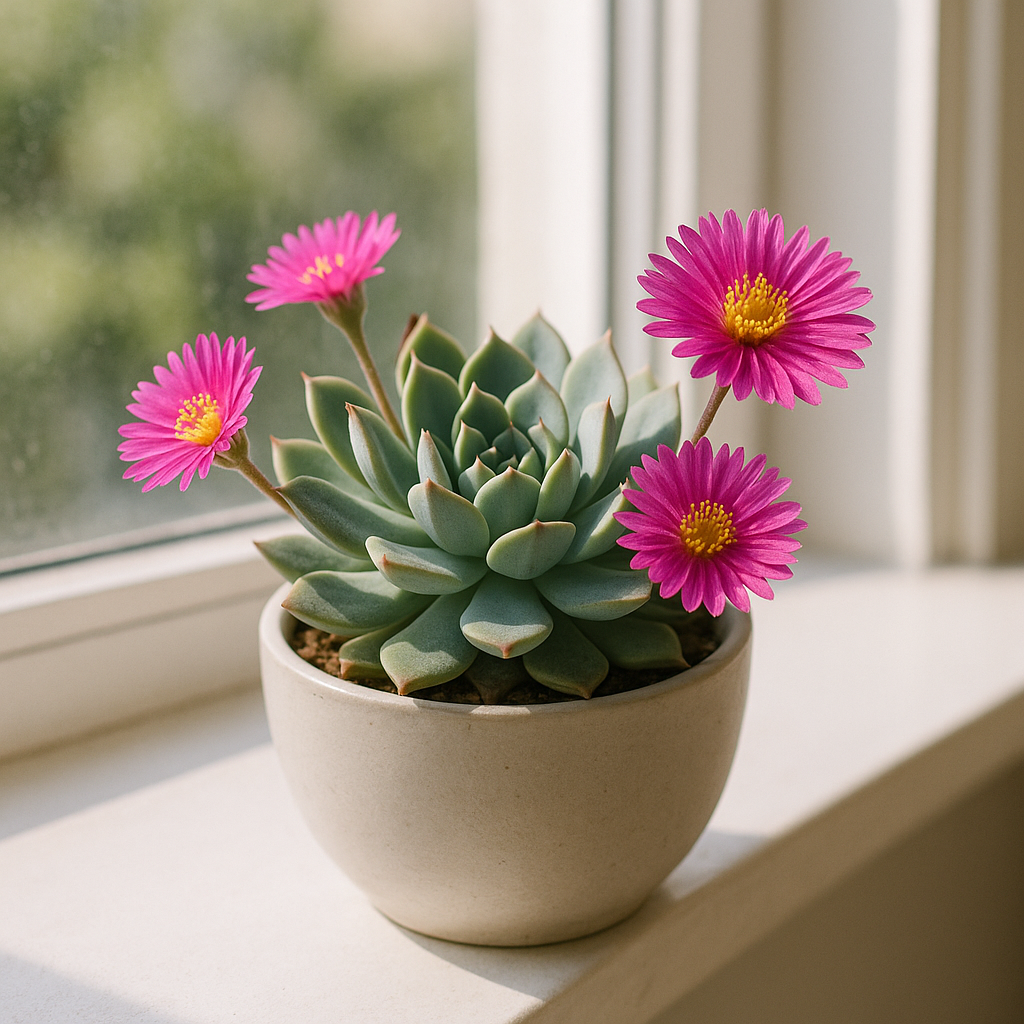
These plants require generous exposure without being scorched by midday sun. A southeast or southwest-facing window provides sufficiently intense lighting to provoke bud formation. If you notice stem elongation (etiolation), it is a sign of light deficiency: leaves then spread away from the stem to capture more rays.
The effect of temperature fluctuations
At the heart of the floral mechanism is the temperature difference between day and night. A slight nighttime cooling (3–5 °C less than daytime) accelerates the production of floral hormones. You can simulate this range by placing your pots in a cooler spot at night, such as an unheated windowsill.
Essential care to encourage flowering
Adapted watering and substrate
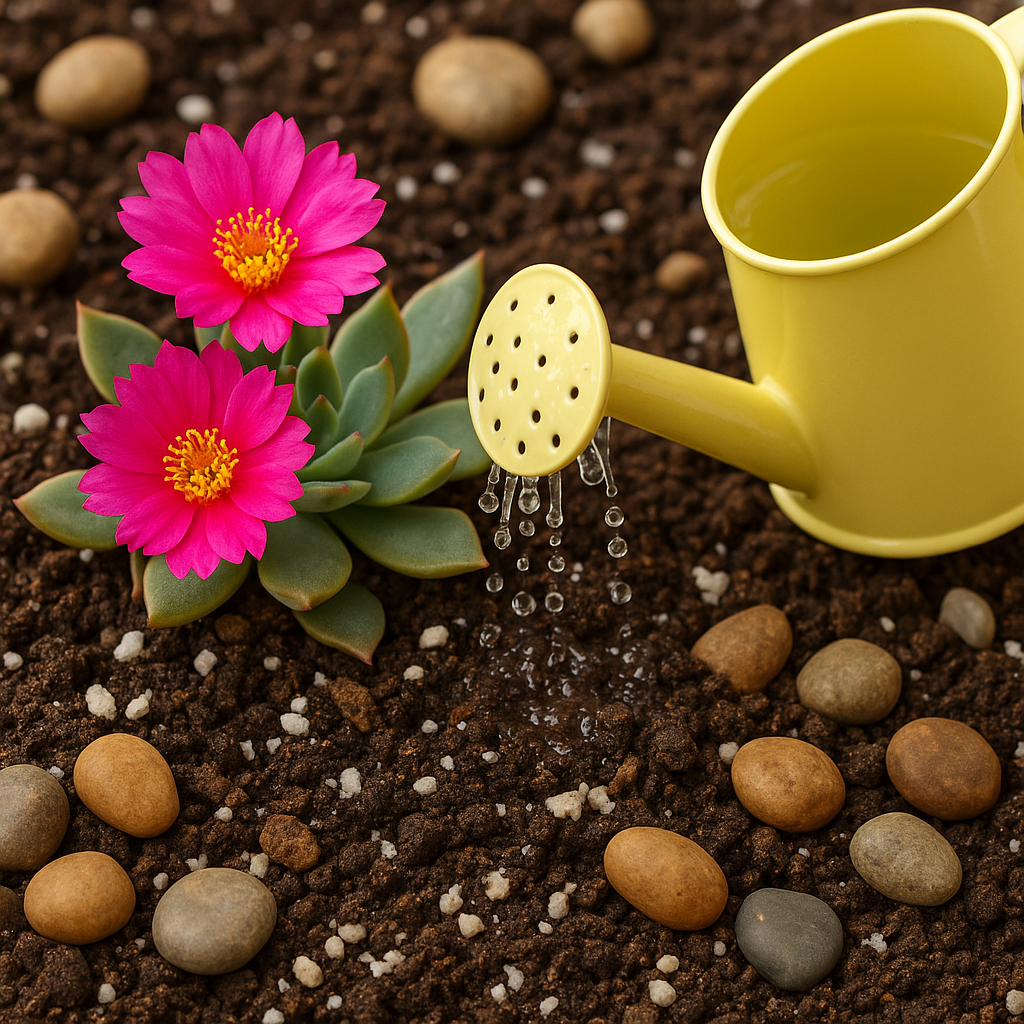
The key is to alternate periods of dryness and moderate refreshment. A draining substrate, based on coarse sand and light potting soil, prevents water stagnation. Once the topsoil is dry, provide a small amount of water at each edge of the pot rather than the center, so the roots are evenly irrigated.
Targeted fertilization
A phosphorus-rich formula (N-P-K 5-10-5) applied at the beginning of the season promotes bud appearance. Dose at a quarter of the manufacturer’s recommended concentration every 30 to 45 days. This moderate regimen is enough to support flowering without causing excessive vegetative growth.
Controlled stress management
Surprisingly, slight water stress – that is, a delay in watering by a few days – can trigger flowering. This light shock mimics the native dry environment and encourages the plant to produce flowers to ensure reproduction. To be practiced with caution, especially on young plants.
Popular varieties and their specific tips
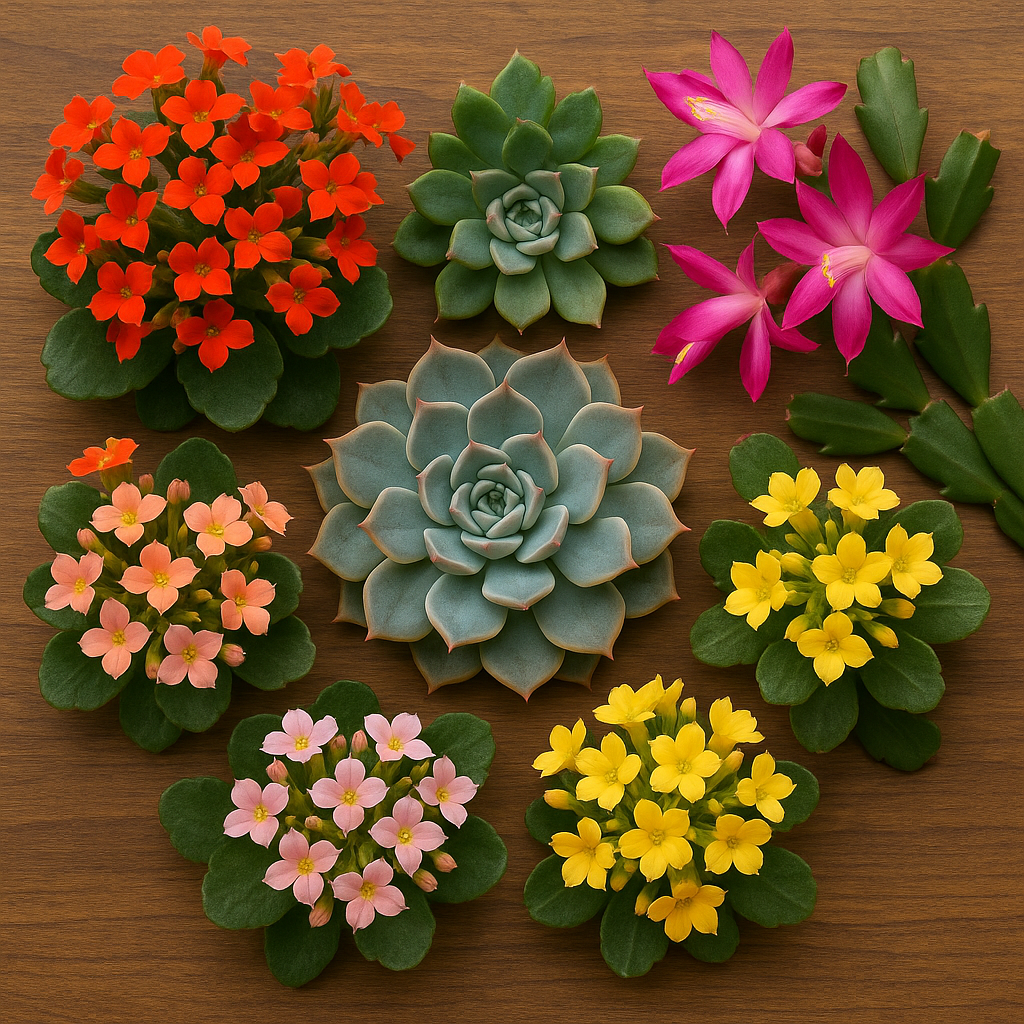
Some succulents have a reputation for blooming regularly, provided their particular requirements are respected. Here are three examples you might be interested in.
| Species | Flowering period | Key point |
|---|---|---|
| Kalanchoe blossfeldiana | Winter to spring | Needs total rest in summer, reduced watering |
| Echeveria elegans | Spring to summer | Excellent tolerance to direct light |
| Schlumbergera truncata | Autumn and winter | Humid environment and slight shade |
Bad practices to avoid
- Overwatering: keeping the soil constantly moist prevents the formation of breathing roots.
- Too rich fertilizer: excess nitrogen favors foliage at the expense of flowers.
- Excessive heat: above 30 °C, the plant prefers to enter dormancy rather than bud.
- Insufficient light: buds do not form if light intensity remains low.
FAQ
- How do I know if my succulent is ready to bloom?
- You will often notice a thickening of the terminal bud or a slight swelling of the areoles. The intensity of the coloration of young leaves can also be an indicator.
- Should I prune before flowering?
- Light pruning of old leaves improves aeration and concentrates energy on flower production.
- Can I force flowering in a cold greenhouse?
- Yes, provided you maintain a thermal range and sufficient lighting. Above all, avoid stagnant humidity.