
Sommaire
Definition and Context
The cherry blossom tree is a generic term that refers to several species and cultivars of the genus Prunus, used not to produce fruit but to offer abundant flowering in spring. Botanists classify these trees in the Rosaceae family, like fruiting cherry trees, plum trees, and peach trees. However, unlike sweet cherries (Prunus avium) and sour cherries (P. cerasus) which provide edible fruits, ornamental cherry trees have been selected for their flowers: they can be single or double, ranging from pure white to fuchsia pink, sometimes slightly fragrant, and they cluster in umbels of three to five flowers that cover the branches at the beginning of spring.
The best-known species of ornamental trees are Prunus serrulata or Japanese cherry, native to East Asia, and its hybrids such as P. × yedoensis (Yoshino cherry) and P. sargentii. These trees generally measure from 3 to 12 meters tall depending on the variety and growing conditions. Their deciduous foliage is light green, bronze, or purple when budding, then turns yellow, orange, or red in autumn, which enhances their decorative appeal all year round. Their smooth brown to gray bark highlights the clusters of flowers that appear before or at the same time as the leaves and which, in some double varieties, are sterile and therefore do not produce fruit.
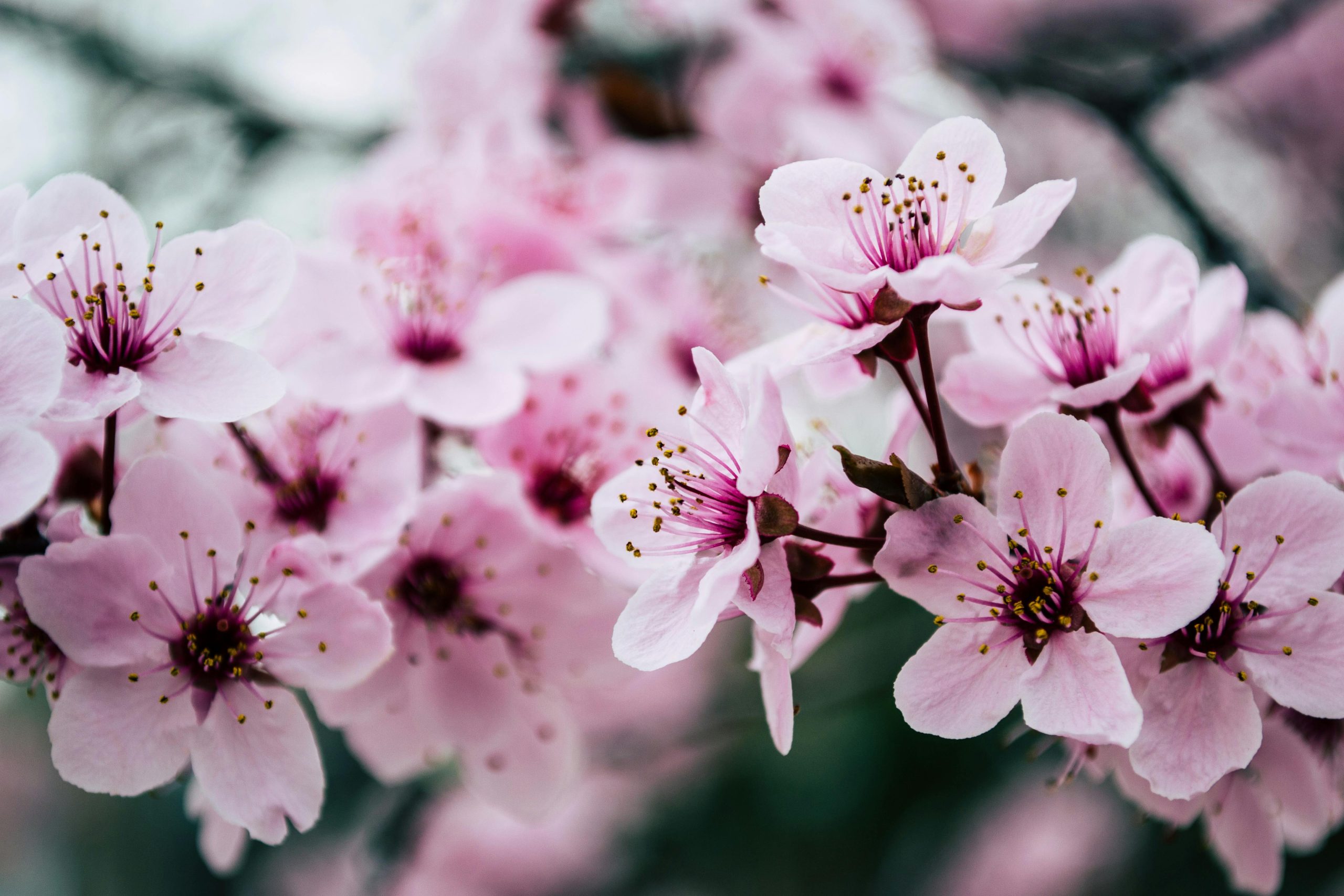
These trees are also called flowering cherry trees, ornamental cherry trees, or sakura (桜) in Japanese. Horticulture has multiplied cultivars by selecting different forms: some, like ‘Amanogawa’, have a columnar shape suited for small gardens; others, like ‘Kiku Shidare Sakura’, display an elegant weeping form; and the famous ‘Kanzan’, with its bright pink pom-poms, forms a small vigorous tree about 4 to 5 meters tall. Ornamental cherry trees generally appreciate temperate climates with a cold winter that promotes flowering, a sunny to semi-shaded exposure, and deep, well-drained soil.
Importance and Issues
Beyond simple garden decoration, the cherry blossom tree holds cultural, symbolic, and ecological importance. In Japan, the blooming of sakura marks the arrival of spring and symbolizes renewal and the ephemeral beauty of life. The Japanese practice hanami, literally “flower viewing,” a tradition that consists of picnicking under the cherry blossoms to appreciate their fleeting beauty and share a convivial moment. Historical sources report that this custom dates back to the Heian period (8th–12th centuries) and was originally reserved for the aristocracy before becoming widespread. The delicacy and short duration of the bloom embody the Japanese philosophy of mono no aware, which celebrates impermanence and acceptance of the life cycle.
The cherry blossom flower has thus become a national emblem of Japan. It appears on 100 yen coins, in the logos of many government institutions, and in the country’s cultural diplomacy. When the Japanese government gifts cherry trees to other nations, as was the case in 1912 with the 3,000 trees planted in Washington D.C., it promotes a message of friendship and peace. Today, spring festivals around sakura take place worldwide, from the United States to Europe, including China and Korea, attracting millions of visitors each year.
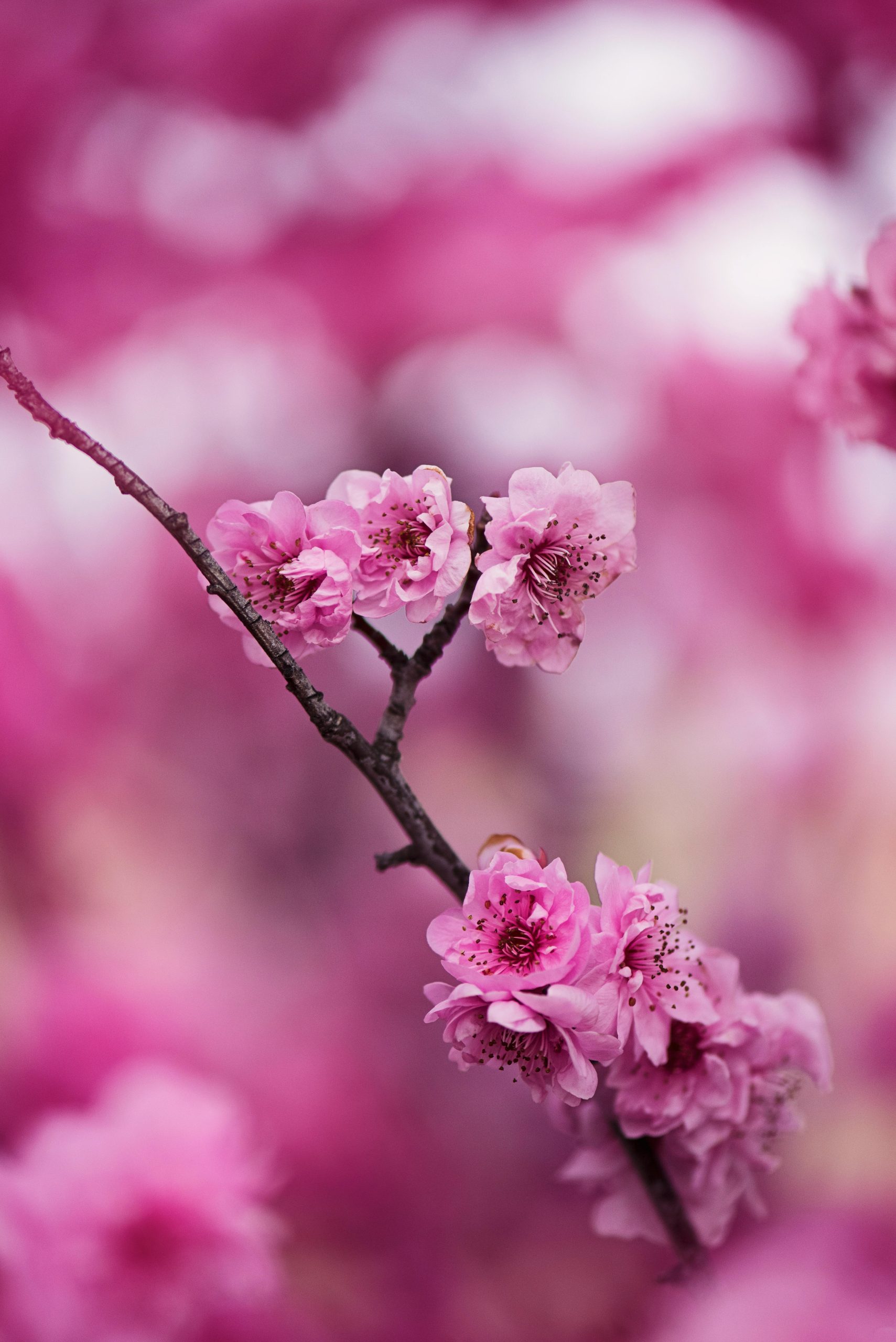
From an ecological standpoint, these trees promote biodiversity by providing pollen and nectar to bees and early pollinating insects. They also represent an economic interest for nurserymen and landscapers, who offer a wide range of cultivars adapted to the needs of individuals and communities. Finally, the selection of new varieties resistant to diseases and adapted to climate changes is among the challenges of the horticultural sector in order to preserve the beauty of these trees in the face of milder or earlier springs.
Statistics and Key Figures
To better understand the diversity of flowering cherry trees, here is a comparative table of some popular species and cultivars, their main characteristics, and their cultural requirements:
| Species/cultivar | Height | Flower color | Flowering period | Hardiness |
|---|---|---|---|---|
| Prunus serrulata ‘Kanzan’ | 4 – 5 m | Double pink pompom | April-May | –20 °C |
| Prunus serrulata ‘Amanogawa’ | 3 – 4 m | Pale pink | April | –20 °C |
| Prunus serrulata ‘Kiku Shidare Sakura’ | 2 – 3 m | Double and drooping pink | April | –15 °C |
| Prunus × yedoensis (Yoshino) | 6 – 8 m | Rosy white, fragrant | Late March-early April | –20 °C |
| Prunus sargentii | 4 – 6 m | Light pink | April | –30 °C |
| Prunus pissardii (purple cherry) | 3 – 7 m | Light pink on purple foliage | March-April | –15 °C |
These figures show the great variability of ornamental cherry trees. The height ranges from small specimens suitable for balconies to true street trees; the colors range from ivory white to fuchsia pink; and the hardiness, generally excellent, allows cultivation of these trees even in mountainous areas. When purchasing, check the adult dimensions to avoid planting a tree that is too large for a small space.
Advantages and Disadvantages
Planting a flowering cherry tree has many advantages. Aesthetically, no other species rivals the abundance and delicacy of its bloom. The varieties offer varied forms (columnar, weeping, rounded), which allows structuring a garden or terrace. Most are hardy and tolerate winter temperatures down to –20 °C, they adapt to ordinary soil even slightly calcareous, and require little maintenance once well established. The decorative foliage, especially in purple cultivars like P. pissardii, adds interest from spring to autumn.
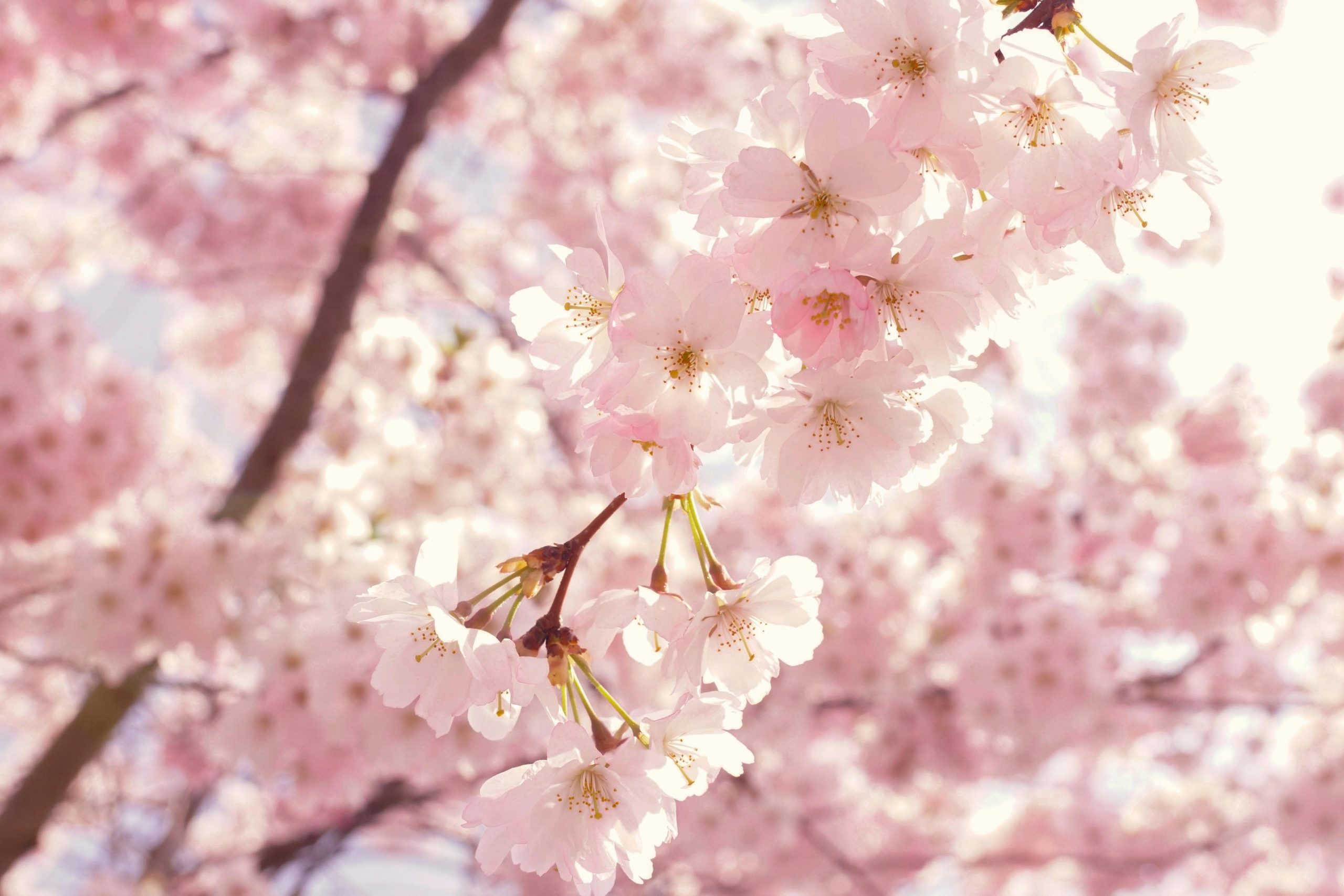
However, some points require consideration. The flowering, as spectacular as it is, lasts only two to three weeks and can be shortened by rainy or windy weather. Double-flowered varieties are generally sterile and do not produce decorative fruits; the absence of drupes is an advantage for terraces where ground stains are avoided but a disadvantage for biodiversity in winter. Moreover, ornamental cherry trees can be sensitive to fungal diseases such as brown rot, bacterial canker, or powdery mildew. Good foliage ventilation, controlled watering, and, if necessary, preventive copper-based treatments are recommended.
Practical Examples and Case Studies
To illustrate the diversity of flowering cherry trees, here are some notable examples. The ‘Kanzan’ cultivar is undoubtedly the most planted in Europe. Its dark pink buds open into large, tightly double pompoms, giving the tree a romantic appearance. It reaches about 5 m high and 4 m wide, making it an excellent ornamental tree for medium-sized gardens. In many French cities, ‘Kanzan’ is used to brighten streets and parks in spring.
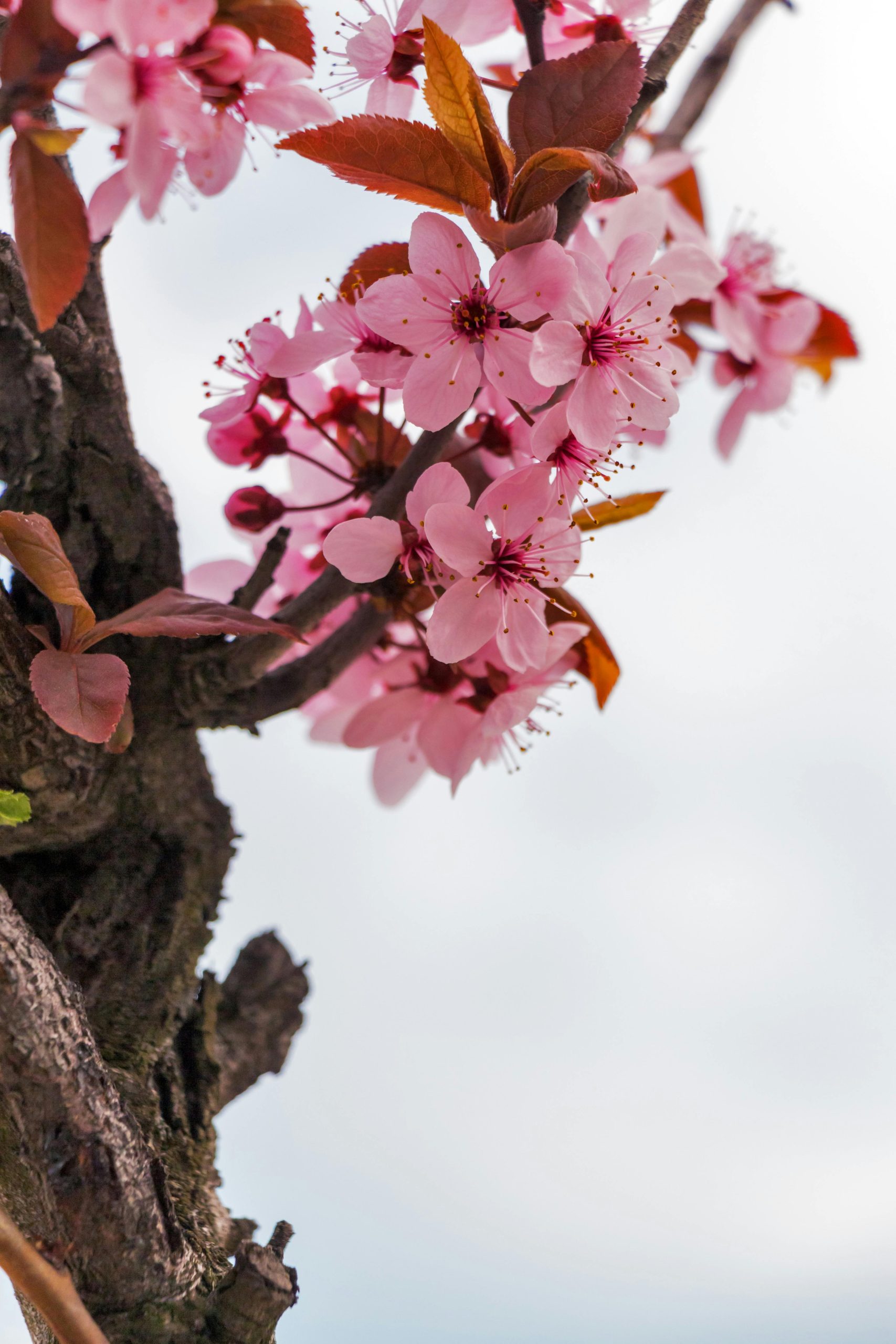
Another popular cultivar is ‘Amanogawa’, originating from Japan, which forms a narrow column reaching 4 m high by 1 m wide. Its pale pink semi-double flowers appear in April and emit a light fragrance. Thanks to its slender silhouette, ‘Amanogawa’ fits well in small spaces or to frame a doorway. In some Japanese gardens, it is planted in rows to create flowering avenues.
The weeping cherry ‘Kiku Shidare Sakura’ is distinguished by its drooping branches laden with double flowers. With its small size (2 to 3 m) and pink cascade appearance, it is a centerpiece in a flowerbed or patio. The purple cultivar Pissardii, for its part, is highly appreciated for its purple foliage from spring to autumn contrasting with its pale pink flowers in early spring. These examples show that each cherry tree has its own aesthetic and that it is important to choose the variety based on the available space and the desired effect.
Beyond private gardens, many parks and cities organize events to celebrate cherry blossoms. In Paris, the avenues of the Parc de Sceaux are adorned with thousands of pale pink flowers in April and attract thousands of visitors. In Washington D.C., the National Cherry Blossom Festival was inaugurated thanks to the donation of cherry trees from Japan and now welcomes nearly two million people each year. These case studies demonstrate the tourist and cultural impact of cherry blossoms worldwide.
Tools, Solutions, and Alternatives
The successful planting and maintenance of a flowering cherry tree require some precautions. Here are practical tips for growing them well:
- Site selection: place your flowering cherry tree in full sun or partial shade, sheltered from prevailing winds that could damage the delicate flowers. Be sure to respect the mature size of the chosen variety to give it enough space.
- Soil preparation: dig a hole twice as wide as the root ball and loosen the soil by incorporating well-decomposed compost and sand to improve drainage. Place a layer of gravel or clay pellets at the bottom to prevent water stagnation.
- Planting: position the root ball so that the collar is at ground level. Backfill with the soil mixture and lightly tamp down. Water abundantly and mulch with bark or wood chips to retain moisture. The best planting period is autumn, but buying in spring is possible if watering is consistent.
- Watering and fertilization: water regularly during the first year to encourage rooting, then let the tree fend for itself except in cases of prolonged drought. A compost application at the base in autumn is generally sufficient.
- Pruning: pruning is limited to removing dead wood or poorly placed branches. Flowering cherry trees heal poorly; avoid pruning outside the post-flowering period and always disinfect your tools.
- Alternatives: if your soil is too wet or acidic, turn to other spring trees such as magnolias, flowering apple trees (Malus), or serviceberries. These species also offer beautiful blooms and tolerate various soils.
For gardeners with limited space or a terrace, it is possible to grow a cherry tree in a pot. Choose a container 50 to 60 cm deep with drainage holes. Line the bottom with clay pellets, fill with shrub potting soil enriched with compost, then water as soon as the surface dries. In winter, protect the pot from frost by insulating it with frost cloth or bringing it into a cold greenhouse.
Trends and Future Developments
Flowering cherry trees also follow trends influenced by climate change, urban planning, and contemporary aesthetics. With rising temperatures, the flowering date advances by several days per decade, prompting amateur and professional gardeners to adjust their schedules. Early-blooming varieties like ‘Accolade’ or ‘Okame’ are gaining popularity because they extend the season. In some regions, ornamental orchard projects mix botanical species and cultivars to create staggered spring landscapes.
Garden designers are increasingly looking for versatile trees with reduced dimensions, suitable for urban spaces and terraces. Nurserymen are thus developing dwarf or columnar forms that fit into contemporary gardens while retaining the grace of sakura. Furthermore, ecological awareness encourages prioritizing local varieties and limiting the use of phytosanitary products; some recent cultivars aim for better disease resistance.
Finally, the tourist and media appeal of cherry blossoms leads to the creation of new events in France and Europe. Cities like Lyon, Nantes, or Brussels plant ornamental cherry trees in large numbers to offer residents and visitors floral displays comparable to those in Japan. This trend illustrates the universal appeal of the beauty of cherry trees and their unifying power.
Conclusion
The cherry blossom tree has fascinated for centuries with the abundance and poetry of its flowering. By choosing varieties suited to your garden or terrace, you can enjoy this spectacle every spring. From the deep symbolism of sakura in Japan to the delight of our Western gardens, these trees embody renewal, impermanence, and shared beauty. Their cultivation is relatively simple: well-drained soil, sunlight, a bit of patience, and a lot of admiration. By following the advice and examples presented in this article, you will be ready to plant, care for, and fully appreciate your own cherry blossom tree.
FAQ
Sources
- Japan Experience – The symbolism of the cherry blossom (consulted on September 25, 2025)
- Wikipedia – Prunus serrulata, Prunus sargentii, and Hanami (consulted on September 25, 2025)
- Willemse France – Ornamental cherry tree varieties and cultivation advice (consulted on September 25, 2025)
- Jardiner Malin – Japanese cherry tree: a tree of great beauty (consulted on September 25, 2025)