
Sommaire
Homemade Mosquito Trap: 7 Simple Solutions to Try at Home
| 📌 | Definition: a homemade mosquito trap aims to attract then block or capture adult mosquitoes in a specific area. |
| 🎯 | Real objective: reduce localized nuisance in a room, not eradicate all mosquitoes from the house or garden. |
| 🧪 | Principle: smell, humidity, CO₂, darkness, suction or sticky surface depending on the chosen setup. |
| ⚠️ | Precaution: any water used must be secured, covered or renewed to avoid becoming a breeding site. |
| 🏠 | Recommended use: occasional testing in a bedroom, kitchen, veranda or near a frequently used mosquito entry point. |
| 📊 | Evaluation: compare captures over 1 to 3 nights, at the same place and time, before changing the model. |
A homemade mosquito trap often seems appealing when evenings end chasing insects around the sofa or bed. However, not all setups are equal, and many give false hopes because they are poorly placed, too neglected, or used without understanding mosquito behavior. The idea is not to promise a miracle solution, but to help you test simple, safe, and consistent devices with the room, timing, and level of infestation.
What is a homemade mosquito trap and what is it really for?
In practice, a DIY trap works as an attraction or capture point. It can attract certain mosquitoes thanks to CO₂, humidity, a fermented smell, or the presence of a dark surface, then prevent them from escaping. The key point is this: we are talking about a reduction tool, not a total solution. If you leave a saucer of water on the balcony, a poorly maintained drain, or widely open windows in the evening, the trap will rarely compensate for these mistakes.
Results vary depending on the species. Culex, often active in the evening and at night, do not behave exactly like the tiger mosquito. According to Santé publique France on the tiger mosquito, the latter bites willingly during the day, especially early morning and late afternoon. In other words, a trap tested only at night in a kitchen may seem “ineffective” while the problem mainly occurs at other times.
It is also important to keep in mind that a homemade trap mainly captures what passes in the immediate vicinity. In a room of 10 to 20 m², it can make a noticeable difference if the number of mosquitoes is moderate. In a very open veranda or a living room crossed by drafts, its impact is often more limited. For a broader view of effective mosquito solutions, it is useful to combine trapping with prevention and blocking entry points.
Before testing a homemade mosquito trap: method, equipment, and precautions
Before even making anything, choose a stable test spot: near a bay window, an entrance, a dark corner, or an area where you regularly see mosquitoes passing by. Avoid very ventilated places, as an air current disperses odors and reduces the effectiveness of devices based on CO₂ or fermentation. To compare two solutions, keep the same location for at least one or two evenings.
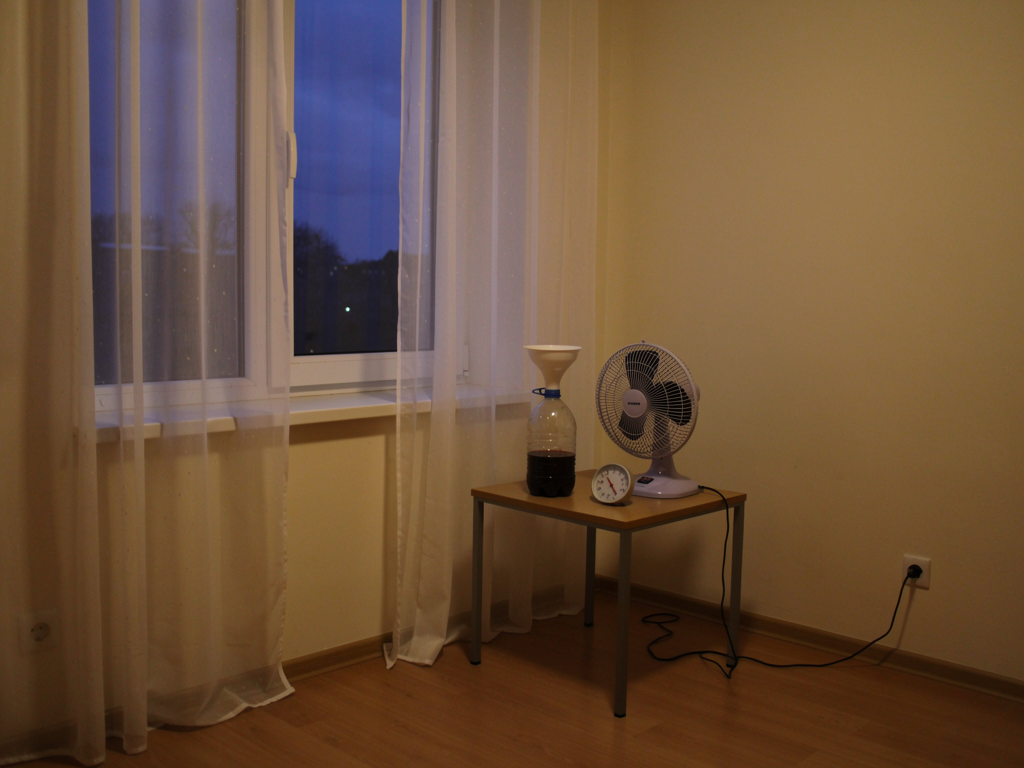
The equipment can remain very simple: plastic bottle, bowl, dark salad bowl, cling film, fine net, mosquito net, adhesive tape, dish soap, sugar, yeast, worn fabric, or small fan. The good reflex is to test only one setup at a time. If you install a fan, a candle, a diffuser, and a bottle trap at the same time, you will never know what really works.
For safety, there are three basic rules:
- no flame near a homemade setup;
- no irritating mixture or improvised with essential oils, alcohol, or harsh household products;
- no accessible water for long without netting, lid, film, or frequent renewal.
According to the ANSES, the most useful fight remains the elimination of larval breeding sites, that is to say all the small water reserves where mosquitoes lay eggs. A homemade trap can therefore be relevant, but only if you do not simultaneously create a mini-reservoir favorable to their reproduction. If you first want to understand why mosquitoes enter, observe the opening times, the lights on, and the points of humidity.
7 simple homemade mosquito traps to make with what you often have at home
These solutions do not all have the same mechanism. Some seek to attract mosquitoes with a light chemical signal, others rely on mechanical capture, suction, or difficulty escaping from a container. What matters is to stick to setups that are easy to monitor, easy to discard, and easy to clean. A too complicated DIY trap often ends up forgotten in a corner and quickly loses its interest.
The bottle trap with sugar and yeast
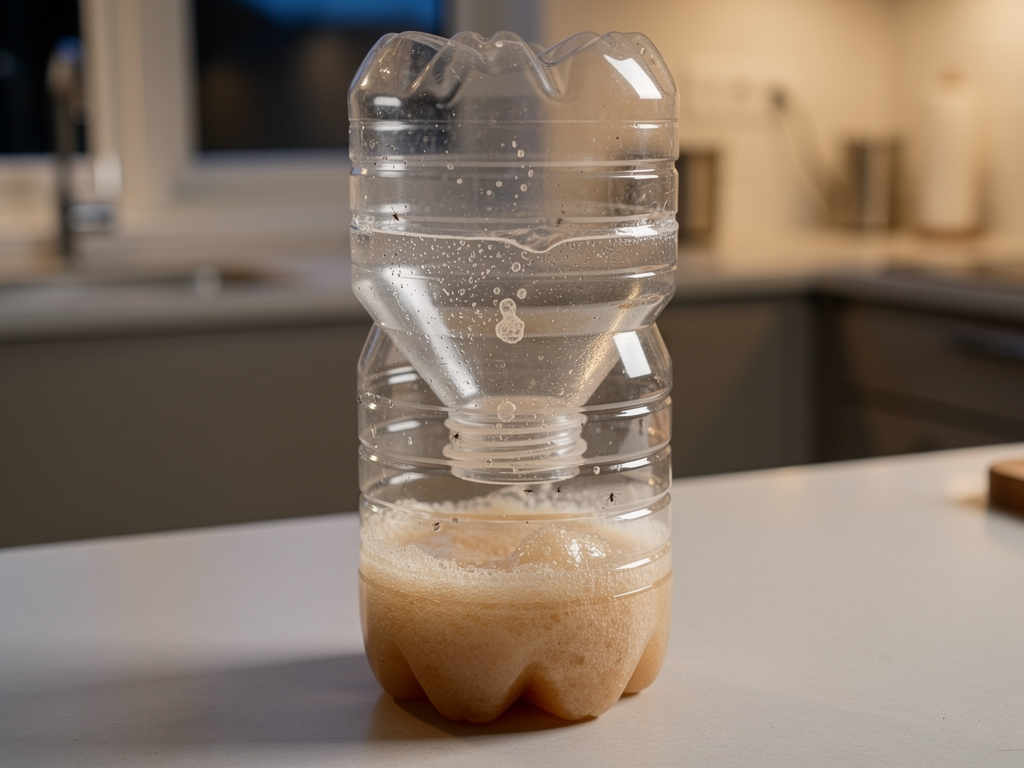
This is the classic. You cut a bottle in half, pour warm water with a bit of sugar and yeast into the lower part, then invert the top of the bottle to form a funnel. The mixture produces carbon dioxide, a signal to which some mosquitoes are sensitive because it reminds them of human breathing. The principle is not absurd, but its effectiveness depends greatly on the calmness of the area and the little competition around.
To limit errors, it is better to use this trap in a low-ventilation room, about 1 to 2 meters from a passage area, without installing it right next to the bed or sofa. The mixture should remain moderate: too much sugar or too strong fermentation mainly creates an unpleasant odor. Generally, a test over one evening or night is enough to see if anything happens.
The bowl of sugary water with pierced film
This version is quicker to set up. The bowl contains a sweet liquid, covered with a food film pierced with small holes. The idea is to let mosquitoes enter, then make their exit more difficult. The advantage of this setup is its simplicity, but its attraction capacity often remains more modest than that of a CO₂ device. It is mainly suitable for a quick test in a small area.
Since the liquid changes quickly, it must be renewed frequently. Beyond 24 to 48 hours, the smell changes, performance decreases, and the risk of discomfort increases. If you have children or pets, place the bowl out of reach. This type of trap should never become a forgotten container at the back of a room.
The dark container with water and a few drops of soap
Here, the focus is not so much on a strong smell, but on the presence of a dark container and water whose surface is made less stable by a few drops of soap. When an insect lands, the surface tension decreases and drowning becomes more likely. This is a very basic solution, often mentioned because it is simple to try, not because it is spectacular.
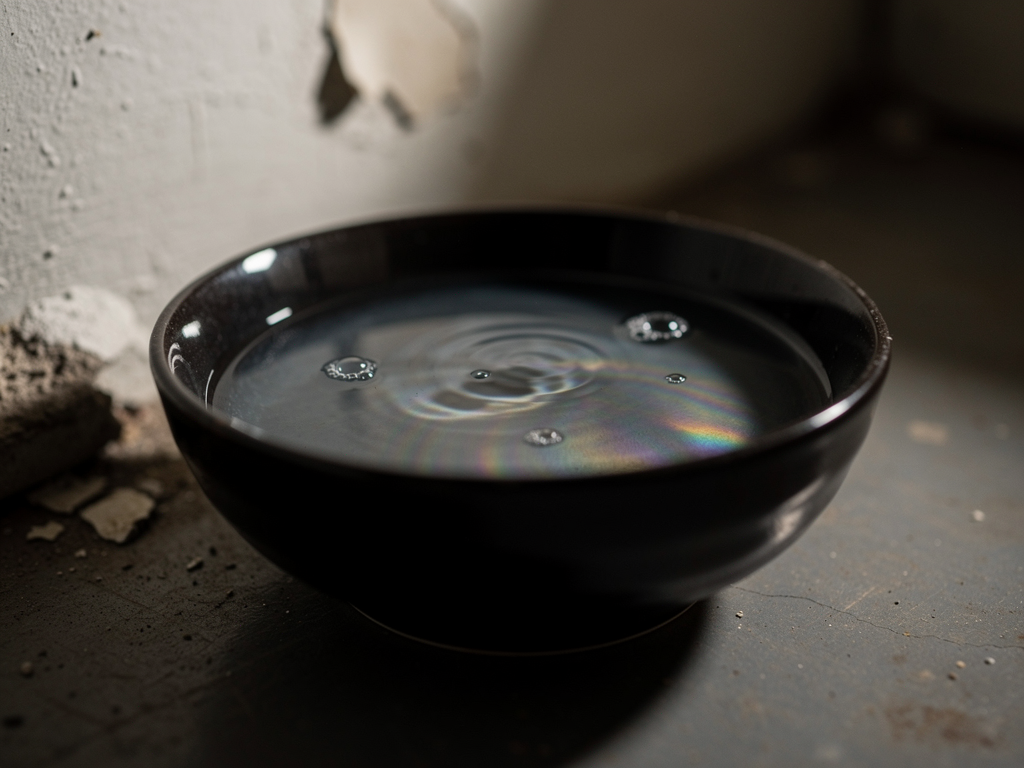
This setup makes most sense as a complement, for example in an entrance, a laundry room, or a closed veranda where you observe a few isolated mosquitoes. It requires regular monitoring, precisely because it contains water. If you cannot check it often, it is better to choose a dry system, such as a fan with a net.
The wet sock or fabric trap worn near a light fan
The principle may seem strange, but it is based on a simple logic: worn fabric retains a residual human scent, and a small airflow can help drive mosquitoes toward a capture or retention area. In practice, it is closer to a homemade attraction test than a universal trap. It can work occasionally in a hallway, entrance, or a sparsely furnished room.
To stay clean, the fabric should be used for a short time, then washed or thrown into the laundry. The fan should remain light and directed toward the capture area, not toward the center of the room. If your main goal is to sleep without mosquitoes in summer, this idea remains secondary compared to a bed net or protection of openings.
Other homemade solutions to try to complement classic traps
When you want to avoid sweet mixtures, there are more mechanical options. They are often less “attractive” in the strict sense, but they hold up well as a complement, especially in passage areas where mosquitoes are already flying around. Their interest then depends greatly on proper positioning and duration of use.
The homemade sticky trap on a protected support
A sticky surface placed on a rigid support can retain mosquitoes moving near a light source, a curtain, or a window. However, caution is needed: the glue must be applied on a stable support, out of reach of fingers, textiles, and animals. This solution gives better results if it is located near a light attractant, such as a warm area or a frequently used passage point.
This is not the best option in a child’s bedroom or in a room where objects are often handled. However, in a laundry room, a technical room, or a veranda, it can serve as an indicator to know if the problem really comes from an incoming flow of mosquitoes.
The bucket with water, mosquito net, and funnel
This setup takes up the idea of a more stable container. A bucket or basin is covered with a mosquito net or fine stretched fabric, with a funnel-type entry system above. The humidity slightly attracts, but the barrier mainly prevents the container from becoming a breeding site. It is bulkier than a bowl, but often safer and easier to maintain properly for several hours.
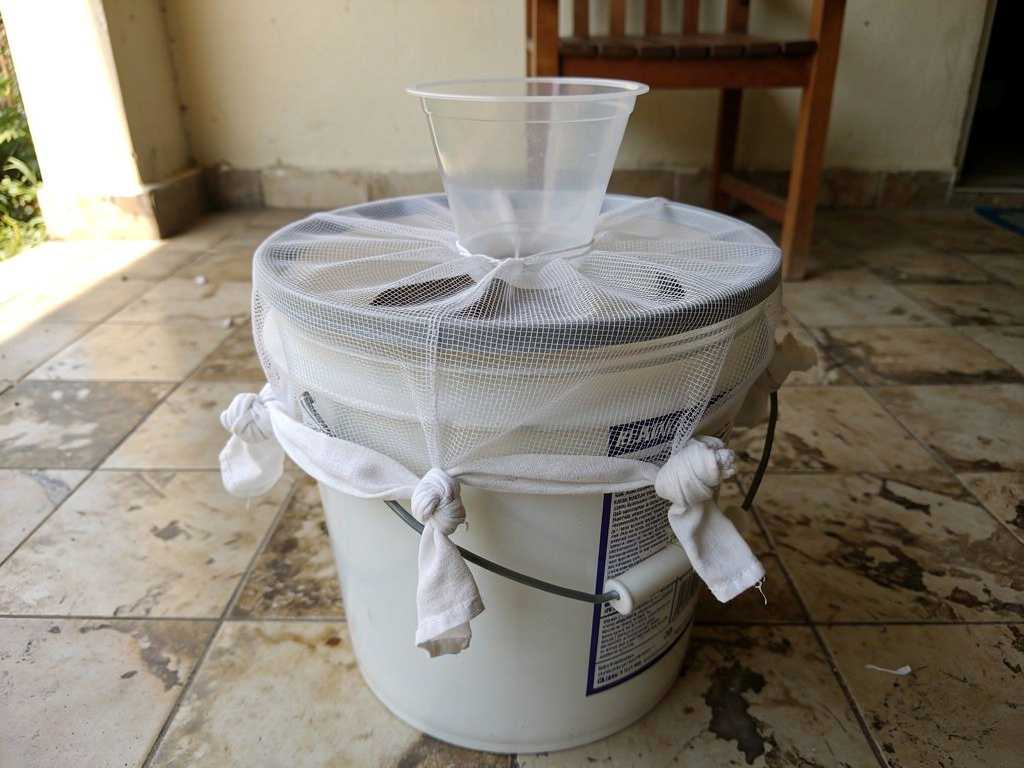
This format can be useful in a covered entrance, a veranda, or a workshop, especially if you regularly notice a nuisance at the end of the day. A family living in a house with a veranda often says that small bowls get knocked over or forgotten, whereas a large covered container is easier to monitor and empty weekly.
The fan and fine mesh trap
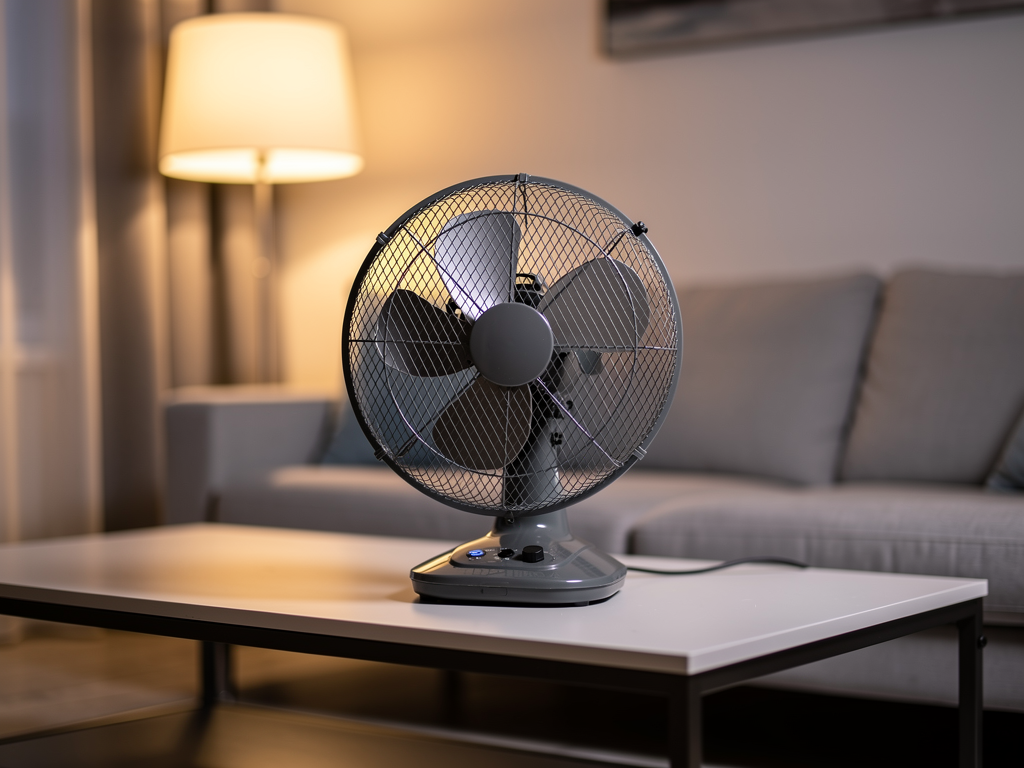
The fan and fine mesh relies on a simple logic: the device sucks mosquitoes toward a grille or fabric that traps them. Here, there is no fermentation, no sticky product, and no stagnant water. It is often the cleanest and clearest homemade setup when you want an odorless solution in a living room, office, or bedroom.
It obviously requires an electrical outlet and some fine-tuning. The fan must be directed where mosquitoes circulate, not randomly. In rooms where you also want to test effective mosquito-repellent plants, this dry setup avoids adding more containers or mixtures to maintain.
Which homemade mosquito trap to choose according to your situation?
The right trap is not necessarily the most well-known, but the one that matches your actual use. In a kitchen or living room, clean, compact setups that are easy to remove have the advantage. A forgotten sweet bowl near food has no interest. Conversely, in a veranda, an entrance or a workshop, a covered bucket or a suction system can stay in place longer without disturbing the occupants.
Here is a simple guide to direct your choice:
| Situation | Recommended trap | Main advantage | Limit to know |
|---|---|---|---|
| Bedroom | Fan + net | No odor, no water | Electric outlet required |
| Kitchen | Protected sticky trap | No sweet mixture | Keep away from preparation surfaces |
| Entrance / hallway | Sugar-yeast bottle | Quick and inexpensive setup | Sensitive to drafts |
| Veranda | Bucket + mosquito net | Stable, large capacity | More bulky |
| Occasional test | Perforated film bowl | Very simple to make | Short usage duration |
If mosquitoes are mainly present at waking or around bedtime, the problem may not be a lack of traps but an incomplete night strategy. The frequently asked questions about mosquitoes also show that schedules, openings, and lighting play a role at least as important as the type of setup chosen.
A homemade trap can be helpful, but it only becomes truly useful when it is part of a simple method: less stagnant water, fewer open entrances, better placement, then comparison of results.
How to properly place, maintain, and evaluate the effectiveness of a trap?
The first reflex is not to place the trap right next to you. If you install it at the foot of the sofa or 30 centimeters from the bed, you risk attracting more mosquitoes into your presence zone. Instead, place it on one side, near a window, a curtain, or a dark corner, at a few meters from where you usually stay.
Ideally, note three elements over 1 to 3 evenings:
- the number of mosquitoes caught or observed around the trap;
- the discomfort felt in the room;
- the test conditions: windows open or not, time, rain, ventilation, lights on.
A trap that catches few mosquitoes but significantly reduces discomfort may be more interesting than a setup that catches more but emits an unpleasant odor. In summer, a small difference in temperature or ventilation is enough to skew comparisons. According to the recommendations of Service-Public.fr on tiger mosquito prevention, eliminating stagnant water around the home remains the priority action. This is often what most reduces mosquito pressure within a few days.
For maintenance, renew the liquids before they smell too strong, clean the walls, and empty any container at least once a week if you continue testing. If despite this the invasion remains strong, it is better to move to more reliable solutions: mosquito nets, repairing seals, managing water points, or even targeted intervention depending on the local context.
FAQ on homemade mosquito traps
Can a homemade mosquito trap replace a mosquito net?
No. A trap sometimes reduces the presence of mosquitoes, but a mosquito net physically blocks entry or access to the bed. In a bedroom, the mosquito net generally remains more reliable, especially when several mosquitoes enter every evening.
How long should a trap be left in place?
For a serious test, often count on a full evening or a night, then compare over 1 to 3 days under similar conditions. Beyond that, a poorly maintained wet trap loses its interest and can become counterproductive.
Does a trap with water also attract females that lay eggs?
Yes, that is precisely why you must be very careful. An uncovered or forgotten container can become a laying site. In hot periods, the cycle can be quick, often around 7 to 10 days depending on conditions, which requires strict monitoring.
Why does my trap work in one room but not in another?
Mosquitoes follow micro-zones: humidity, darkness, warmth, curtains, proximity to an opening or human presence. A room crossed by air or very bright does not offer the same conditions as a quiet entrance or a veranda.
Are essential oils indispensable in a homemade trap?
No, and it is not necessarily a good idea. Some can be irritating, poorly tolerated, or misused indoors. For a homemade trap, it is better to favor simple, monitorable, and non-irritating setups.
What to do if no homemade trap really changes the situation?
You need to go back to the causes: eliminate stagnant water, protect openings, reduce entries in the evening, and identify the dominant species or time. If the problem persists, physical protection solutions are generally more reliable than successive DIY attempts.