Sommaire
Giving new life to an old cast iron radiator is not just a matter of appearance. Stripping and renovating a cast iron radiator also helps optimize heating and extend the lifespan of the device. This technical task may seem complex, but there are accessible solutions to effectively restore these unique pieces. Here is how to proceed, who to turn to, and which methods to prioritize.
Why renovate a cast iron radiator?
A well-maintained cast iron radiator ensures comfortable warmth throughout the house. Over the years, the paint peels and rust sets in, which reduces thermal efficiency. This is where cast iron radiator renovation becomes useful.
Beyond performance, a renovated radiator enhances the aesthetics of your interior. It can even become a decorative element in its own right. Renovating also helps avoid waste, fits into a sustainable logic, and prolongs the longevity of your equipment. The long-term savings are not negligible.
Which methods should be prioritized for stripping and restoration?
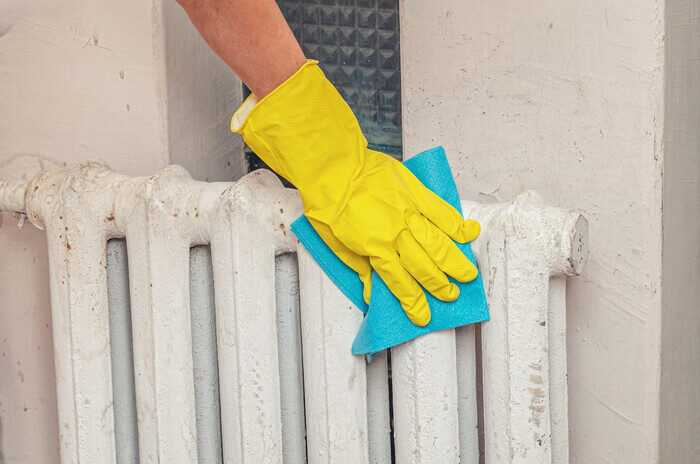
To successfully restore this equipment, several steps are necessary. The first consists of cast iron radiator stripping. This operation removes all layers of old paint, impurities, and rust. Two main methods stand out: sandblasting cast iron radiator and aerogommage cast iron radiator.
Sandblasting and aerogommage: what are the differences?
Sandblasting uses projected sand to vigorously remove old paint and deep corrosion. Aerogommage, on the other hand, uses finer abrasives. This method is gentler, respects the reliefs, and avoids damaging the radiator’s structure. A cast iron radiator specialist will know how to evaluate the best technique depending on the condition of your equipment.
Choosing between these processes therefore depends on wear and the desired finish. To learn more about these techniques and get advice, consult the Cast Iron Radiator Blog. Some very old radiators or those with intricate details benefit from being treated delicately with aerogommage.
Painting and finishing after cleaning
After cleaning the cast iron radiator, the general condition must be checked. This is the time to carry out any cast iron radiator repairs such as replacing defective seals or tightening certain elements. Then, apply a primer coat to ensure adhesion of the new cast iron radiator paint.
It is important to use paint suitable for high temperatures. This ensures a durable and aesthetic result. Thus, your radiator regains all its shine and better resists the passage of time.
Who should you entrust with renovating your cast iron radiator?
Restoring a cast iron radiator often requires particular expertise. Calling on a cast iron radiator specialist remains the safest solution for meticulous work. This professional has the appropriate tools, knows cast iron perfectly, and masters each technical step:
- Expertise in choosing techniques (stripping, sandblasting, aerogommage);
- Comprehensive services for cleaning cast iron radiators;
- Ability to provide a clear and precise renovation quote;
- Personalized advice on color and finish;
- Specific products ensuring the durability of cast iron radiator paint.
Entrusting this task to a professional also guarantees compliance with safety standards. Many companies offer a comprehensive service including removal, transport, complete treatment, and reinstallation of the renovated radiator.
How to choose the right provider for a radiator renovation quote?
To find a reliable partner, it is advisable to compare several offers. Requesting a detailed radiator renovation quote allows you to anticipate the budget and avoid unpleasant surprises.
Exchanging directly with the service provider also helps to understand their methodology and the guarantees offered.
Be sure to check that the professional offers all the expected services: cast iron radiator stripping suited to your model, thorough cleaning, repairs if necessary, and application of a durable paint. This transparency gives you confidence before the start of the work and ensures the best possible result for your radiator.