
Sommaire
| Key Points | Details to Remember |
|---|---|
| 🪨 Origin | Natural resin from mountains, rich in minerals and humic acids |
| 💪 Benefits | Improves energy, recovery, and vitality according to studies and traditional uses |
| ⚠️ Risks | Watch quality: heavy metals and additives are possible dangers |
| 🔬 Control | Check third-party analyses (ICP-MS), purity, and geographic origin |
| 🧾 Choice | Favor premium resin, certifications, and transparent suppliers |
| 📏 Dosage | Start small (100–300 mg), adjust according to tolerance and goal |
Shilajit is one of those supplements that divides opinion: for some, it’s a true natural game-changer; for others, just marketing powder without guarantees. Here, we don’t just state promises. We review the origin, observed effects, real risks, and especially practical methods to avoid counterfeits and choose quality worthy of the name. Result: an operational guide you can use before buying or trying it.
What is shilajit? Origin and composition
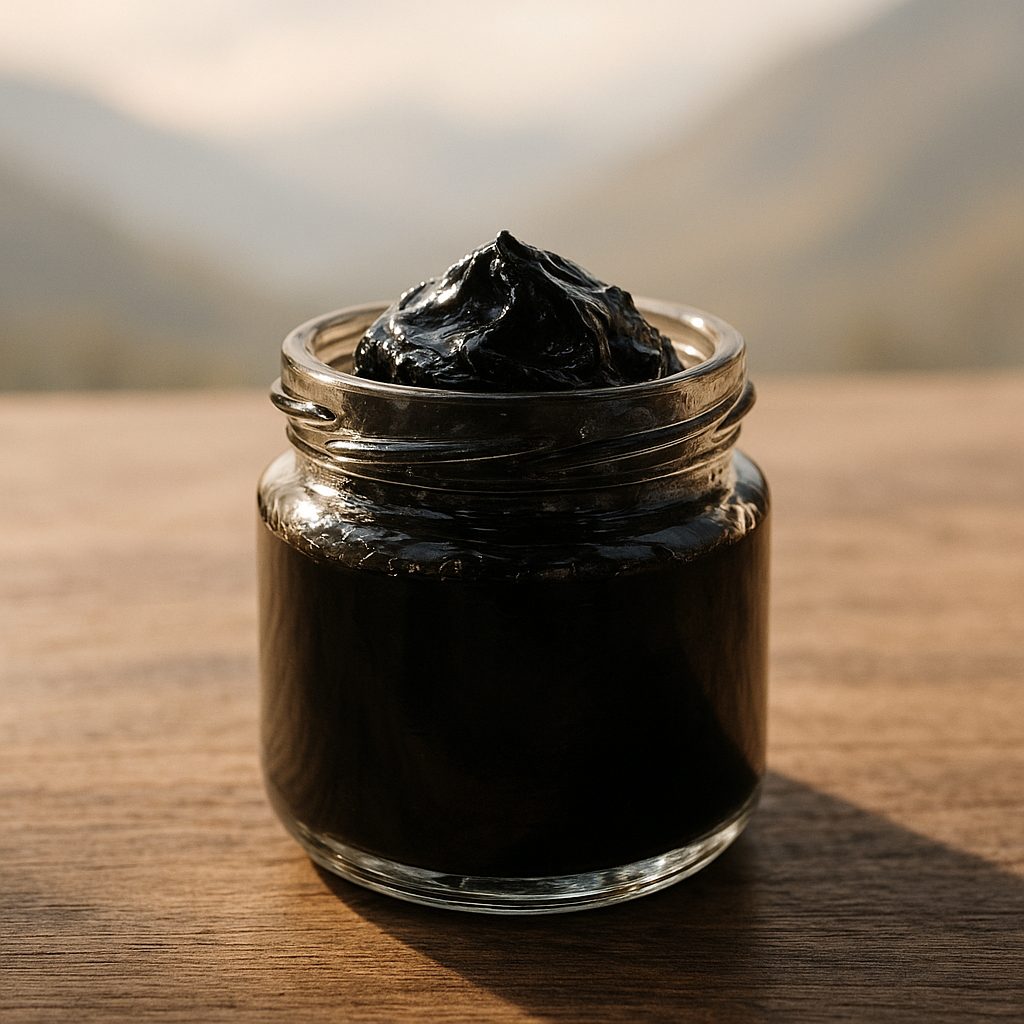
Shilajit is a bituminous substance that seeps from cracks in rocks in certain mountain ranges — the Himalayas being the most renowned. It is not a single mineral but a complex mixture: humic and fulvic acids, mineralized organic residues, and a cocktail of minerals (iron, zinc, copper among others). One might think a nice packaging is enough to make it a useful product; in reality, its chemical composition varies greatly depending on altitude, vegetation, and extraction method.
Available forms
On the market, you will mainly find:
- raw resin (the form closest to the raw material),
- concentrated powder (easy to dose but sometimes more processed),
- capsules or tablets (convenient but dependent on manufacturer quality).
Resin is often preferred by purists because it undergoes fewer treatments. However, its texture and taste put off some consumers — hence the rise of capsules.
Documented benefits and potential effects
Among the benefits attributed to shilajit, two categories stand out: effects supported by preliminary studies and those mainly reported by traditional Ayurvedic medicine. Clinical evidence is still limited, but it points to several interesting leads.
What science observes
- Energy and fatigue: shilajit might improve ATP production, reflecting better energy availability in some people.
- Oxidative stress: the presence of fulvic acids and antioxidants seems to reduce certain markers of oxidative stress.
- Cognitive health: animal studies and some small human studies suggest a protective effect on memory and neuronal function.
- Hormonal support: trials sometimes show improved testosterone levels in selected subjects.
These results are promising, but their clinical significance remains to be confirmed by larger, independent trials. It is not a drug but a supplement: effects vary depending on the person and product quality.
Traditional uses
In Ayurveda, shilajit is used to revitalize the body, stimulate libido, and promote recovery. These ancient uses partially align with modern observations but are mainly based on centuries of practice rather than randomized trials.
Risks, side effects, and contraindications
The danger does not come from shilajit itself but from impurities and poor practices: uncontrolled extraction, lack of purification, or addition of synthetic elements. Another point: dose and consumer profile (pregnancy, autoimmune diseases, medications) strongly influence the benefit/risk ratio.
Reported adverse effects
- headaches, nausea, or digestive issues in some users;
- possible allergic reactions;
- risk of exposure to heavy metals (lead, mercury) if the product has not been tested;
- potential interaction with anticoagulants or blood pressure medications.
Conclusion: do not exceed recommended doses and consult your doctor if you take medications or have chronic health problems.
How to spot a counterfeit or poor-quality shilajit
The market is full of attractive offers. Distinguishing the wheat from the chaff requires some simple and concrete checks. Here are warning signs and quick tests you can do at home or by analyzing the packaging.
Warning signs
- price too low for “pure” resin;
- lack of laboratory analyses (certificate of analysis);
- unlisted allergens or additives;
- unclear origin or constant changes of seller’s address.
Simple tests
- solubility: a purified resin partially dissolves in hot water and takes on an amber hue;
- smell: a very chemical or perfumed odor may hide additives;
- taste: bitter and slightly earthy, never sweet like a candy.
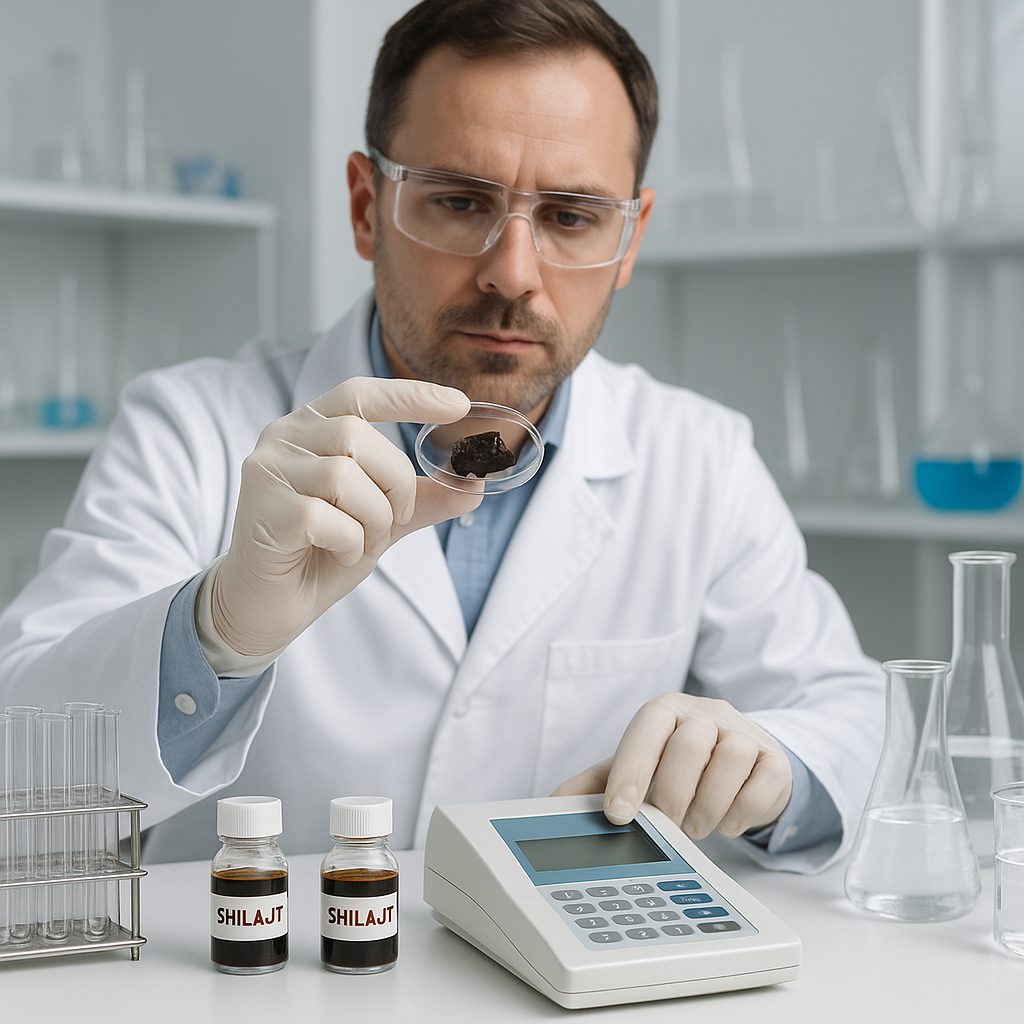
These tests do not replace laboratory analysis, but they provide a first indicator. To know if a product contains heavy metals, demand an ICP-MS report provided by an independent laboratory.
Choosing the best quality: criteria and certifications
Shilajit quality is judged on several levels: traceability, purity, form (resin vs powder), extraction method, and third-party analyses. Here is a checklist to buy knowledgeably.
- Traceability: precise geographic origin and extraction conditions.
- Analyses: recent certificate of analysis (heavy metals, microorganisms, organic contaminants).
- Purity: indicated percentage of fulvic/fulvite organic matter.
- Process: cold extraction or purification without toxic solvents.
- Transparency: clear information about the manufacturer and batch.
| Form | Advantage | Limitation |
|---|---|---|
| Resin | Less processed, high bioavailability | Difficult taste, approximate dosing |
| Powder | More precise dosing, easy mixing | May undergo treatments, risk of adulteration |
| Capsules | Convenient and hygienic | Variable quality depending on manufacturer |
Dosage, interactions, and practical precautions
There is no universal dose. In practice, start low: 100 to 300 mg per day for most concentrated formulas. Some traditional protocols go up to 500 mg, but increase gradually and observe tolerance. Resin forms are often dosed with a knife tip — an imprecise method but used by many.
Drug interactions
Shilajit can influence the bioavailability of certain medications and affect blood pressure or coagulation. If you take anticoagulants, hormone treatments, or heart medications, seek professional health advice before introducing it.
Usage tips
- take it preferably in the morning or before physical activity if you seek an energizing effect;
- store the resin away from humidity and heat;
- keep all batch information and certificate of analysis in case of inspection;
- stop if adverse effects occur and consult.
For further information
To complement, here is a short video that reveals the truth about shilajit by a health expert.
FAQ — Frequently Asked Questions
Is shilajit safe for everyone?
No. Pregnant or breastfeeding women and those on heavy treatments should avoid it or consult a doctor. Safety largely depends on the purity of the product.
Which form should I choose?
If you are looking for purity and effectiveness, resin is the best option. For convenience and precise dosing, powder or capsules may be suitable, provided the supplier provides certificates of analysis.
How long does it take to see an effect?
It varies: some report an improvement in energy within a few days, others notice a gradual effect over several weeks. Patience and consistency are necessary.
Can shilajit be combined with other supplements?
Yes, often with magnesium, vitamins, or probiotics, but be careful of interactions and mineral overload. It is better to get informed on a case-by-case basis.
In summary
Shilajit can offer interesting benefits, especially for energy and recovery, but its real value entirely depends on the quality of the product. Demand traceability, independent analyses, and favor resin if you aim for purity. And above all: start with a low dose and stay attentive to the effects. It is not a cure-all, but well chosen and properly used, it can usefully complement a health routine.
{
“@context”: “https://schema.org”,
“@type”: “FAQPage”,
“mainEntity”: [
{
“@type”: “Question”,
“name”: “Is shilajit safe for everyone?”,
“acceptedAnswer”: {
“@type”: “Answer”,
“text”: “No. Pregnant or breastfeeding women and those on heavy treatments should avoid it or consult a doctor. Safety largely depends on the purity of the product.”
}
},
{
“@type”: “Question”,
“name”: “Which form of shilajit should I choose?”,
“acceptedAnswer”: {
“@type”: “Answer”,
“text”: “Resin is preferred for purity and bioavailability. Powders and capsules are convenient but require quality analyses.”
}
},
{
“@type”: “Question”,
“name”: “How long does it take to see an effect from shilajit?”,
“acceptedAnswer”: {
“@type”: “Answer”,
“text”: “Some people observe improvement in a few days, others after several weeks. It depends on quality and individual sensitivity.”
}
}
]
}
{
“@context”: “https://schema.org”,
“@type”: “WebPage”,
“about”: {
“@type”: “Thing”,
“name”: “Shilajit: benefits, counterfeits, and quality”
},
“keywords”: [“shilajit”, “shilajit benefits”, “counterfeit”, “shilajit quality”]
}