
Sommaire
To get rid of rats and mice, the most effective approach is not a “miracle product”: it is a three-step strategy exclusion (sealing access points), sanitation (removing food/shelter), and targeted capture (traps placed in the right spots). If you only trap or poison, you risk a lull… then a comeback. Here is a concrete plan, adapted for houses/apartments, with child/pet safety tips, and a simple schedule to restore a healthy home.
Verdict: the most reliable strategy
The most reliable method combines complete sealing + mechanical traps + strict hygiene. In most domestic infestations, this triptych yields stable results because it cuts the problem at its root: access, resources, reproduction.
Note: 8.5/10. Recommended for: ground-floor homes, kitchens, basements, garages, seasonal rentals (Airbnb/holiday homes), food businesses, condominiums with basements/garbage rooms.
What saves time: treat like an investigation (where do they enter? where do they eat? where do they nest?) then act in this order. Rodents are opportunistic: you win when the environment no longer “serves them”.
Strengths and weaknesses
Before buying anything, keep in mind what works quickly… and what wastes weeks.
- Seal first: cuts off new arrivals.
- Traps along walls: exploits their natural paths.
- Food under control: reduces attractiveness within 48–72 hours.
- Daily monitoring: adjusts placement, avoids “dead zones”.
- Comprehensive approach: fewer recurrences, better effort/result ratio.
- Using only a “repellent”: results are unpredictable, often temporary.
- Leaving openings open: you trap endlessly.
- Placing bait anywhere: risk to children/pets, low effectiveness.
- Dry cleaning droppings: increases exposure to particles.
Methodology: criteria and limits
This guide follows an Integrated Pest Management logic: act on the environment and use control methods sparingly. Recommendations are based on public health and pest management guides (e.g., CDC, UC IPM) and scientific publications on rodent-related risks (e.g., Meerburg et al., 2009; Himsworth et al., 2013; Bierque et al., 2020).
Criteria used: efficacy (short and long term), safety (children/pets), repeatability (easy to maintain), cost (materials/time), impact (non-targets, odors, cleaning). Main limit: each building has its weak points (technical shafts, crawl spaces, ducts, vents). If infestation is massive or structural, a professional is often fastest.
One idea recurs in field recommendations: exclusion makes the difference. Mice can pass through very small gaps (around 6 mm) and exploit the slightest fitting defect. When access points are truly sealed with resistant materials (metal, mesh, steel wool), a “permanent problem” becomes a “solvable problem.” Source: CDC (2024) + UC IPM (Pest Notes, 2025)
Step 1: confirm presence
Before acting, identify the activity level. The most reliable signs: nocturnal noises in walls/ceilings, greasy marks along baseboards, gnawed packaging, and droppings concentrated near a food source or passage.
Rat or mouse? The practical issue: trap size, passage zones, probable access (attics vs basements). If unsure, a quick tip is to observe the size/shape of droppings and their location. You can also compare your signs with a reliable visual guide on mouse droppings or rat droppings (size, ends, dispersion).
Be careful when cleaning: droppings and nests may contain infectious agents. A public health review reminds that rodents are involved in many zoonoses (Meerburg, Singleton & Kijlstra, 2009). Regarding leptospirosis, studies show strong local variability: in an urban study, prevalence in rats ranged from 0 to 66.7% depending on blocks, with associated factors like weight (OR 1.14 per unit) and body condition (Himsworth et al., 2013).
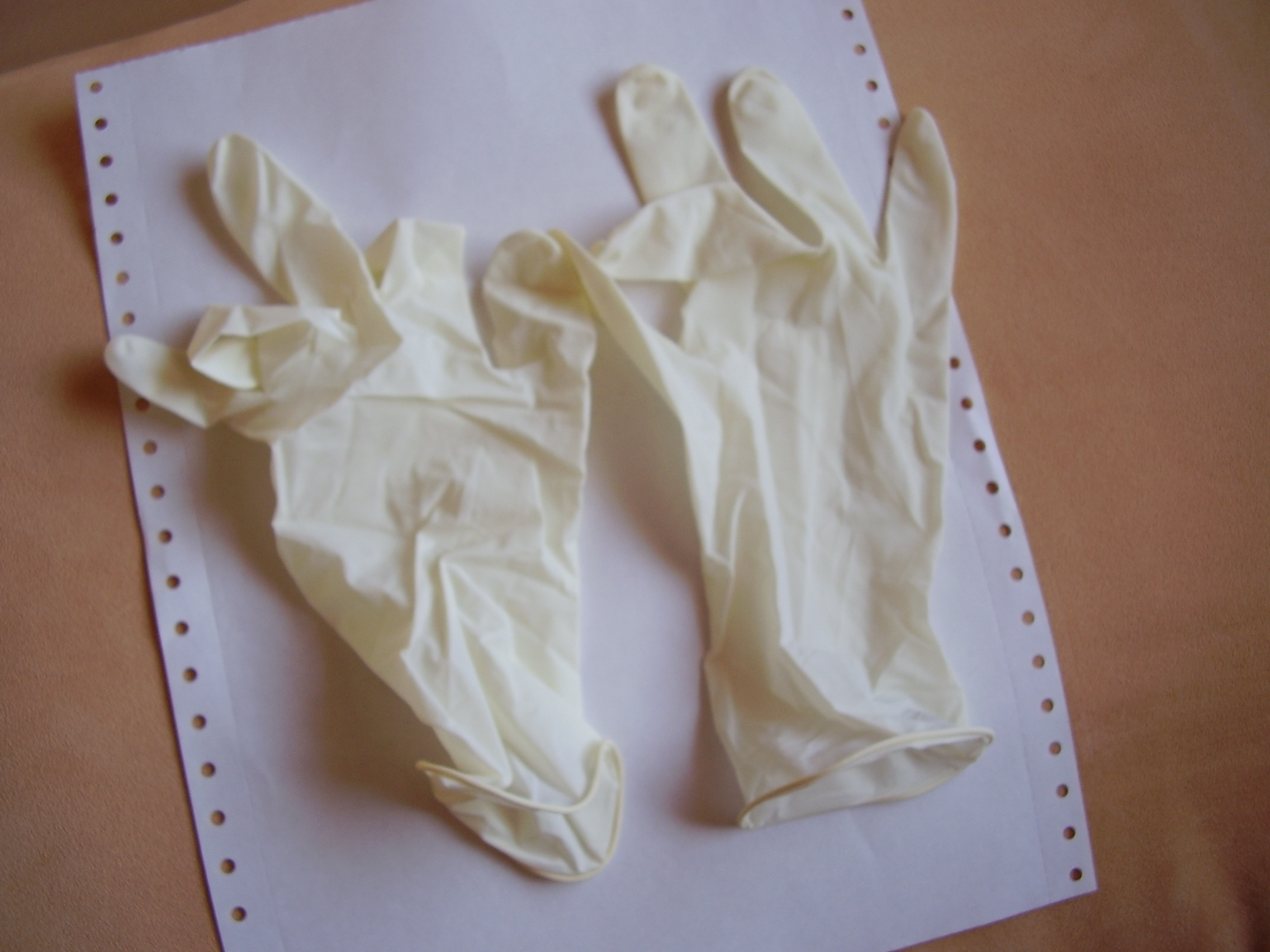
For safe cleaning, health authorities recommend avoiding dry sweeping/vacuuming. First moisten with a disinfectant or bleach solution, let act, then pick up with paper towels and dispose in double bags. The principle: limit aerosolization of particles and reduce inhalation risk. Source: Canada.ca (public health), 2015; CDC (hantavirus brochure), 2025
If you have symptoms after exposure (fever, chills, pain, jaundice, shortness of breath), contact a health professional. It’s not common, but a reasonable precaution after cleaning an active site.
Step 2: block access
Sealing is often the “missing piece.” Mice exploit micro-gaps: CDC reminds they can pass through a hole about 6 mm (¼ inch), roughly the width of a pencil. Source: CDC, 2024. Regarding structural passages, UC IPM also gives useful sizes (gaps about ¼ inch high, and some openings near 3/8 inch wide). Source: UC IPM, 2025.
For rats, several pest control and rodent-proof construction manuals note they exploit openings around 1.3 cm (½ inch) and require materials resistant to gnawing (metal, concrete, mesh). Source: University of Arkansas Extension (2019); “rodent-proof construction” resources. When in doubt, seal everything larger than 6 mm: this covers mice and young rats and simplifies the rule.
| Rodent | Likely opening size | Quick test | Recommended material |
|---|---|---|---|
| Mouse | ≈ 6 mm (¼ inch) | If a pencil fits, it can pass | Steel wool + sealant / metal mesh |
| Rat | ≈ 13 mm (½ inch) | If a finger fits, be cautious | Sheet metal / mortar / thick fixed mesh |
Where to check first: pipe passages, electrical conduits, under sinks, damaged baseboards, vents, service hatches, basement door seals, bottom of doors opening to courtyard/garbage room, vents. Outside, also check around air conditioners, drains, and facade cracks.
The golden rule: resist gnawing. A simple flexible sealant may slow but won’t stop a motivated rat. The effective indoor duo: steel wool (which grabs and hinders) + sealant (which fixes and seals). For larger holes: fine mesh metal, sheet metal, or mortar depending on the surface.
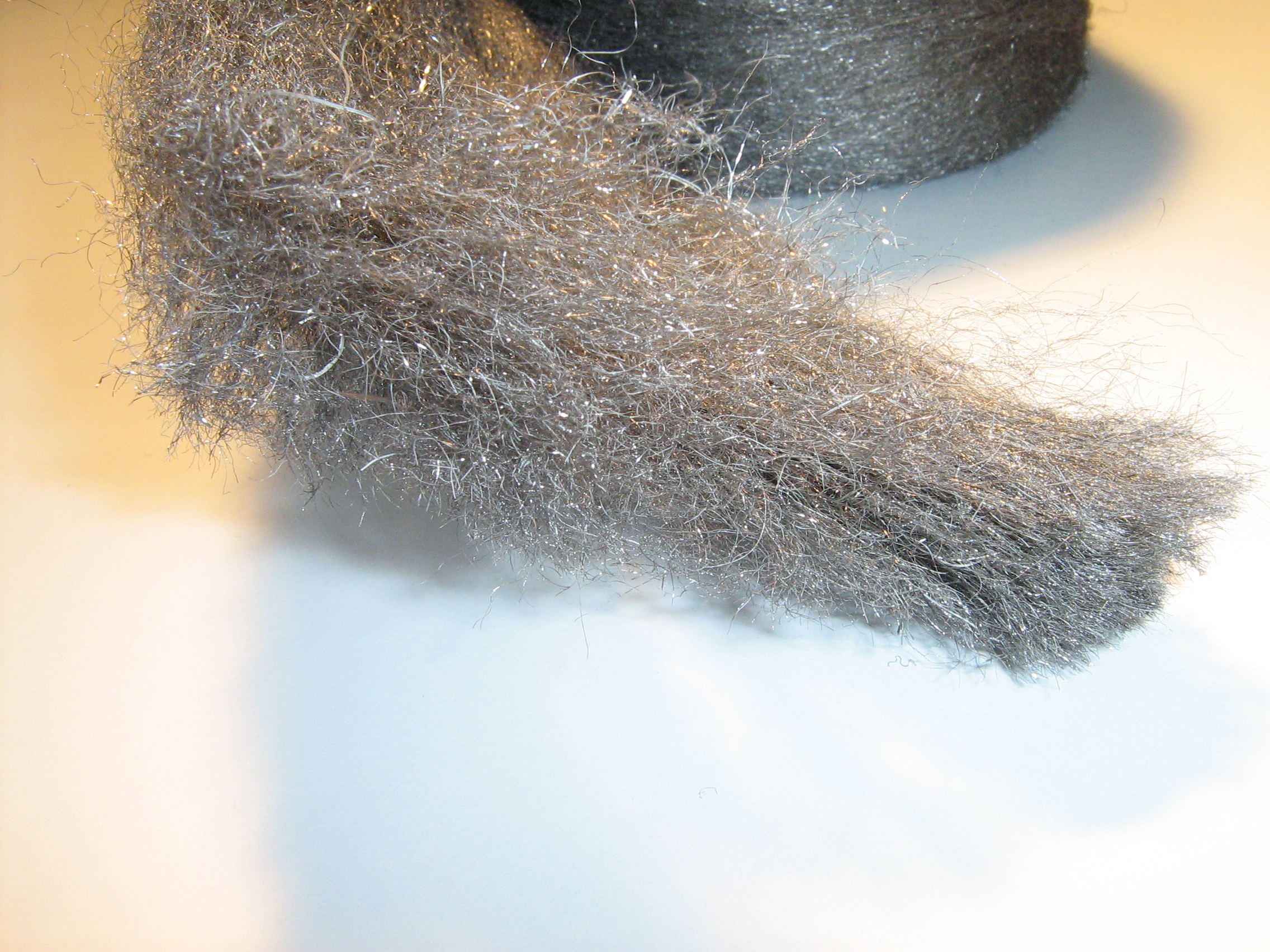
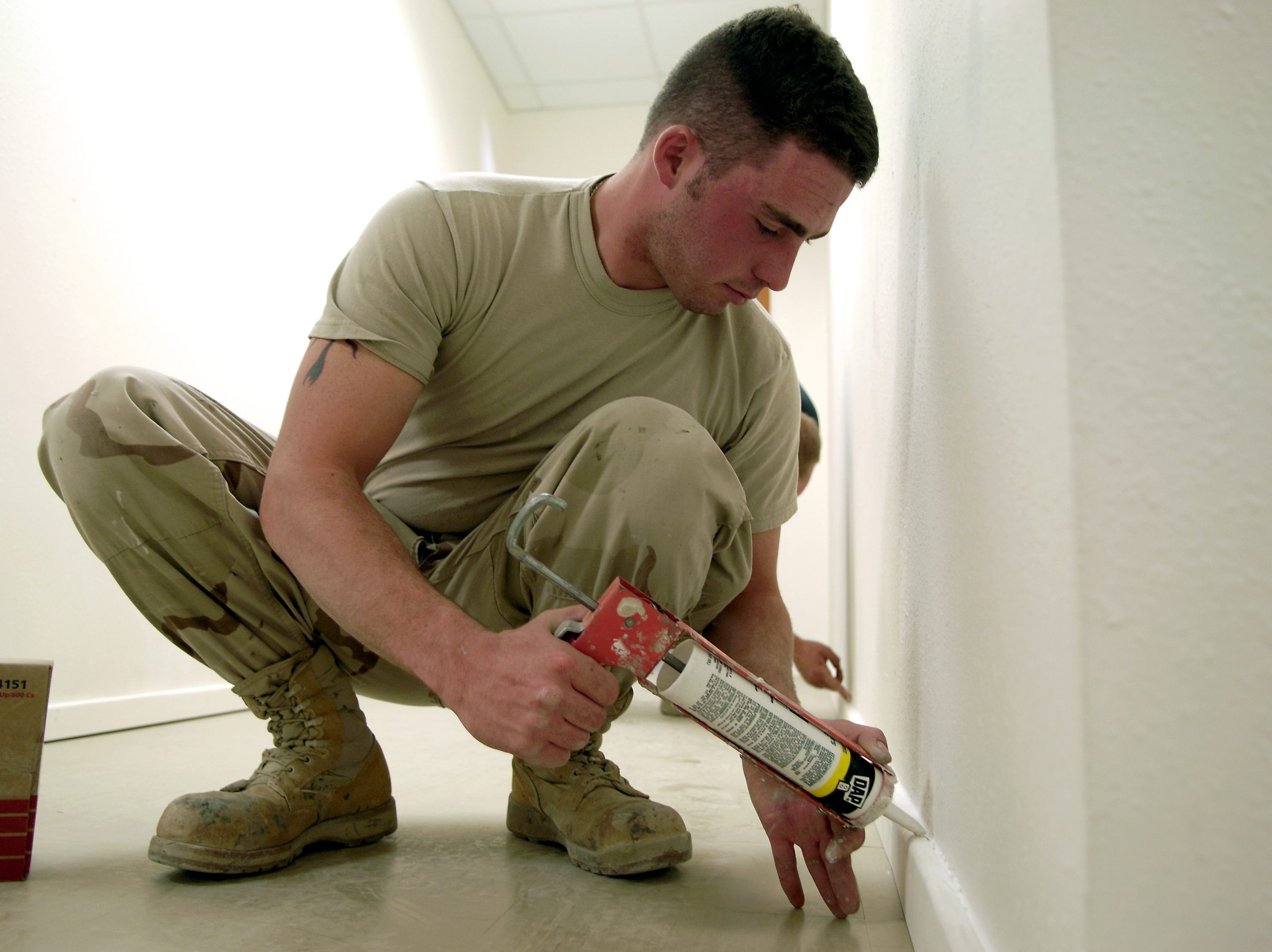
Practical tip: do a 20-minute “house tour” with your phone flashlight and note every point to treat. Treat kitchen, pantry, basement first, then bedrooms/living room. In an apartment, don’t neglect common areas: basements, garbage chutes, trash rooms (often the real source).
Step 3: capture and treat
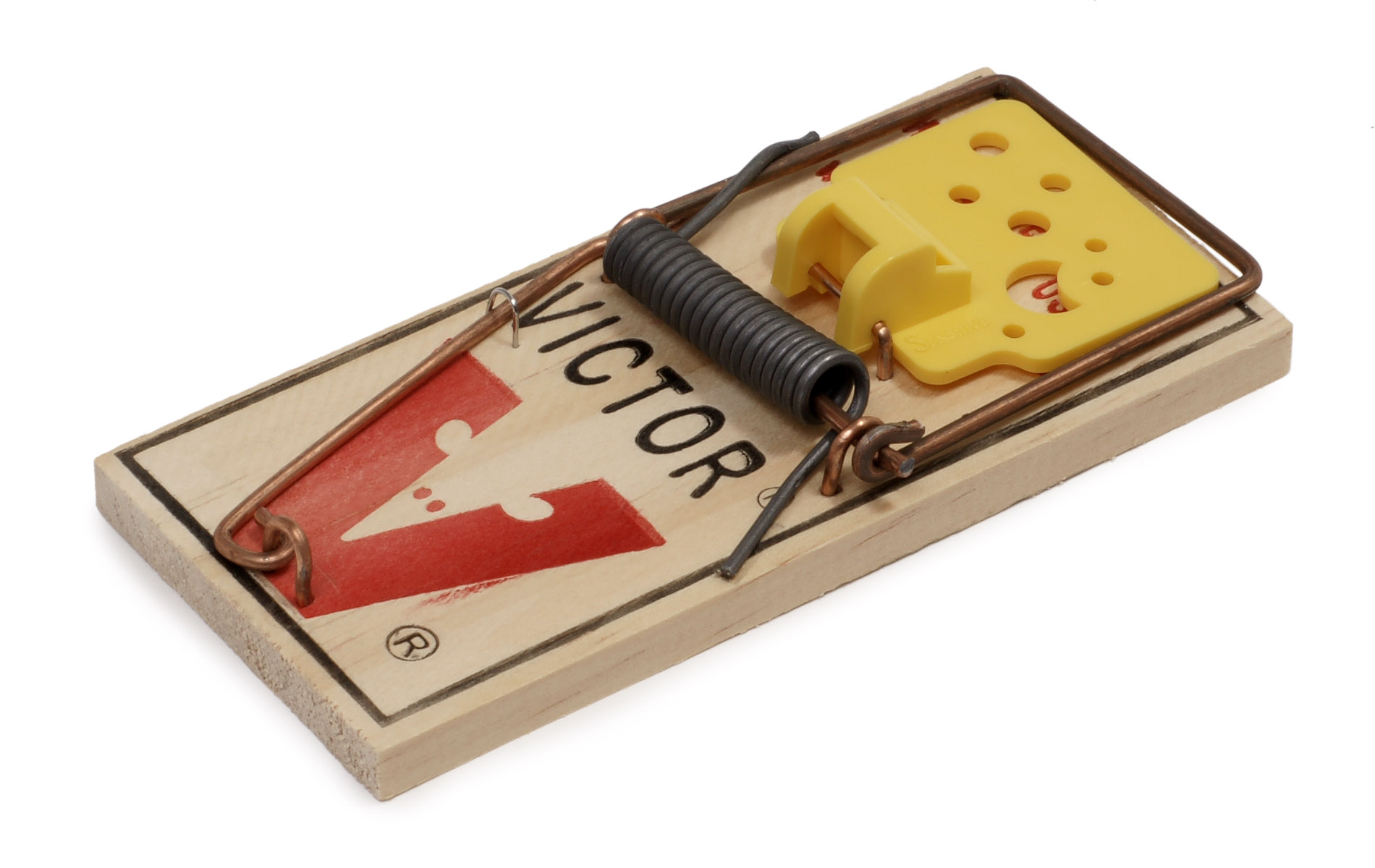
Once access is controlled, capture becomes much easier. Indoors, mechanical traps (snap traps) remain an effective option: fast, controllable, and chemical residue-free. Place them along walls (not in the middle of a room), near identified passages, behind a fridge, under low furniture, near a dishwasher. Multiply points: better several well-placed traps than one “random” one.
For rats, use adapted traps (more robust, firmer trigger) and secure the area (children/pets). Glue boards are generally discouraged: they increase suffering and pose risks to other animals. Live traps exist but require strict management (frequent checks, handling, legal framework depending on municipality).
What about ultrasounds? Many technical guides indicate that effectiveness is not reliably demonstrated in real conditions. In other words: at best, it does not replace sealing + hygiene + capture. Source: prevention/damage manuals (e.g., Damage Prevention & Control Methods, rodent fact sheets).
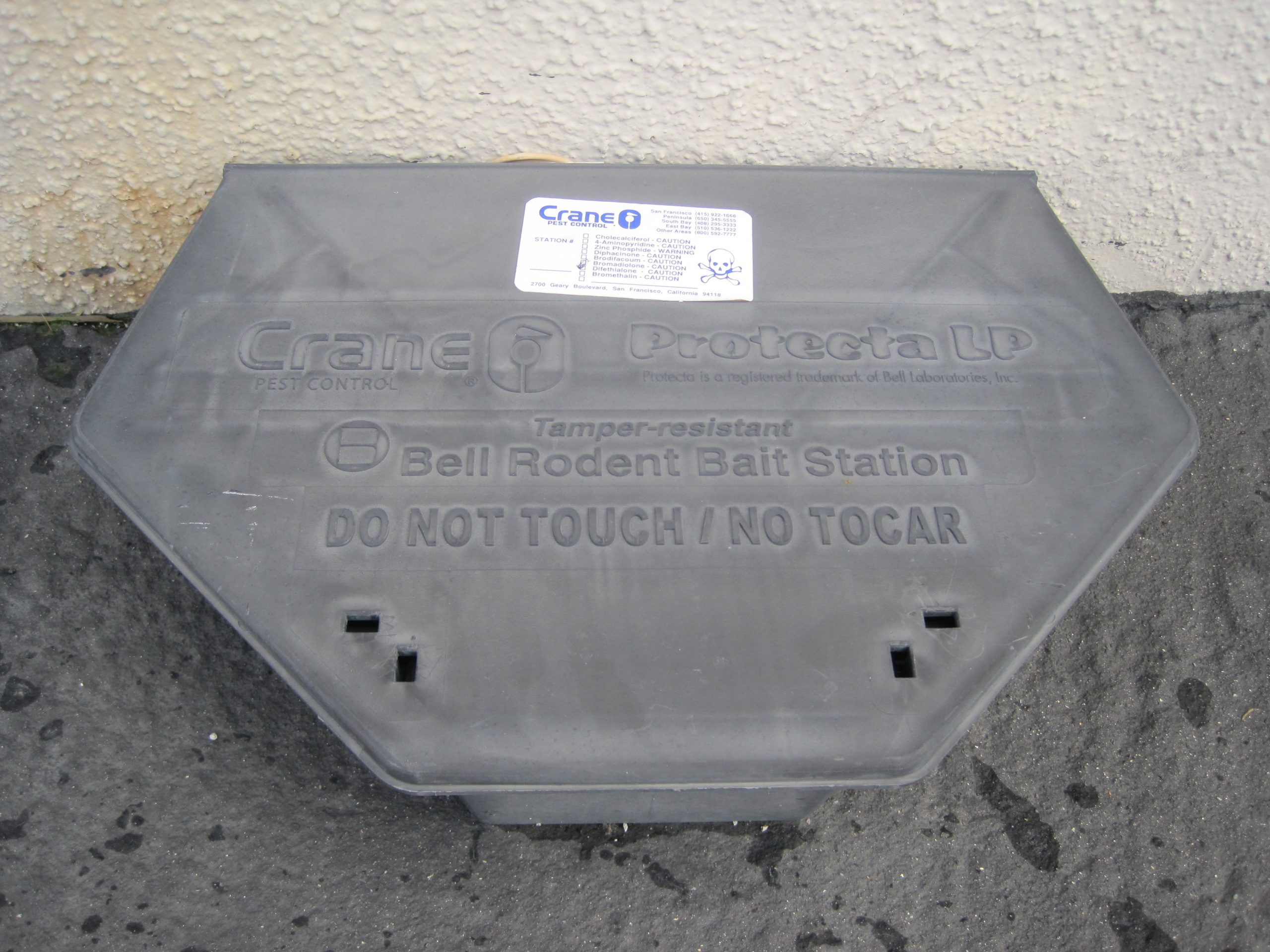
Rodenticide baits may have a place, but with caution: always in a secure bait station (tamper-resistant), out of reach of children and pets, and strictly following labeling. In sensitive environments (professional kitchen, tourist accommodation, presence of animals), a professional intervention is often safer because they know how to limit contamination risks, odors (dead animal in a wall), and secondary exposure.
A field study in an urban environment observed that lethal control can alter rat population dynamics. The authors report an increased chance that survivors carry Leptospira interrogans after intervention, reminding that a “partial” treatment can have unexpected effects. The practical idea: combine control and exclusion, otherwise the system rebalances. Source: Lee et al., 2018 (CDC / Emerging Infectious Diseases)
7-day plan (simple and realistic)
| Day | Action | Objective |
|---|---|---|
| D1 | Survey + photos + wet cleaning | Map active zones |
| D2 | Priority sealing kitchen/pantry | Cut access and routes |
| D3 | Trap installation (walls, passages) | Quickly reduce pressure |
| D4 | Strict hygiene + food storage | Remove the “reward” |
| D5 | Adjust placements + seal remaining points | Avoid untreated zones |
| D6–D7 | Monitoring + control new signs | Stabilize and prevent recurrence |
Take action in 30 minutes
If you only have half an hour today, do this: first put food out of reach (airtight containers, closed trash, bowls removed at night), then set 3 to 6 traps along walls in active zones, and finally seal 2 to 3 obvious holes (around a pipe, under a sink, behind an appliance). This sequence often produces an immediate “leverage effect.”
- Cut the resource: all food in hard, closed containers.
- Trap smartly: walls, corners, behind appliances.
- Close access: steel wool + sealant on small holes.
When to call a pro: continuous activity after 7–10 days despite sealing + traps, noises in ceilings/attics, strong odors, presence in a business, condominium with heavily affected basements, or if you must guarantee hygiene standards (tourist rental, catering).
FAQ: rats and mice at home
How long does it take to get rid of them?
A small infestation can drop in 3 to 7 days if access points are well sealed and traps well placed. An established infestation (basement, false ceiling, condominium) often requires 2 to 4 weeks of monitoring and some sealing adjustments.
Why do they come back after disappearing?
Most often: an untreated entry point or a regular resource (accessible trash, kibble at night, storage in bags). Without exclusion, a rodent neighborhood is enough to restart the cycle.
What if I have pets?
Secure everything: traps out of reach (behind furniture, under technical baseboards), and avoid unprotected baits. If you must use a station, choose a secure model and place it in an area inaccessible to animals, with monitoring.
I live in an apartment: is it necessarily inside my unit?
Not always. Typical sources: basements, technical shafts, garbage rooms, crawl spaces. Your action helps (sealing + hygiene), but coordination with the condominium may be necessary if activity comes from common areas.
Are essential oils or natural repellents enough?
They can annoy temporarily but do not replace exclusion and resource removal. If access and food exist, motivation often wins over smell.
What to do with a dead rodent?
Wear gloves, moisten the area with disinfectant, pick up with paper towels, dispose in double bags, then wash hands. Avoid dry vacuuming on traces. Refer to public health guidelines (Canada.ca; CDC).
Do rats necessarily come from sewers?
Not necessarily, but networks (sewers, basements, crawl spaces) are frequent routes. In urban areas, access via vents, poorly fitting basement doors, or facade cracks is common.
How to prevent recurrence in a seasonal rental?
Rely on a simple routine: closed trash, no food left out, monthly visual inspection (under sink, behind fridge), and immediate sealing of defects. A “clean and sealed” home attracts much less.
Should I disinfect after an infestation?
Yes, especially in kitchen/pantry. Wet clean passage areas, contaminated cupboards, and behind appliances. Scientific publications note possible survival of some agents in the environment: for example, a review on Leptospira reports survival/virulence maintained over 40 days in soil and over 20 days in water, with much longer survival depending on conditions (Bierque et al., 2020).
What is the #1 priority if I can’t do everything?
Close access points. As long as a hole remains open, trapping and cleaning efforts dilute and recurrence is likely. Even partial sealing (kitchen + pantry) quickly changes the situation.