
Sommaire
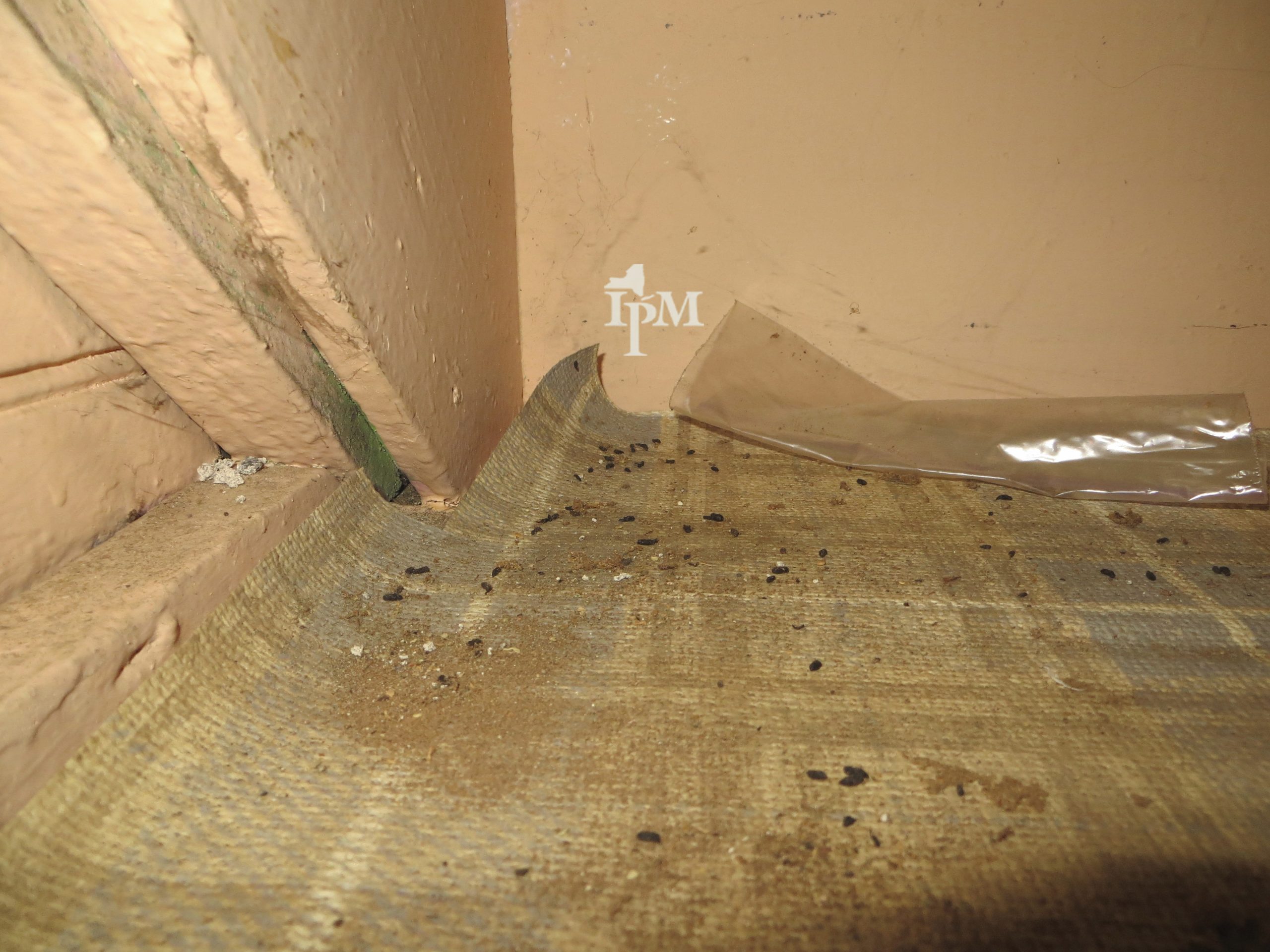
The answer almost always comes down to size and shape of the ends: mouse droppings are small (often 3 to 6 mm) and rather pointed, while rat droppings are significantly larger (often around 12 to 15 mm) and more “massive,” with often blunt ends. Then, the location (height, proximity to walls, damp areas) and the quantity help to make the final distinction.
Quick verdict in 2 minutes
If you hesitate between mouse droppings and rat droppings, start by measuring a single dropping (ruler, measuring app, or even a coin as a reference). At 3–6 mm, with a “rice grain” shape and rather pointed ends, it is very often a mouse. At 12–15 mm (and sometimes more), thicker, in an “olive pit” shape, it points to a rat. Add a second filter: rats frequently leave droppings along walls and in storage or access areas (cellars, garages), whereas mice scatter more “everywhere” near food and hiding spots.
Practical note: 9/10 (high reliability if you combine size + ends + location). Recommended for: tenants who need to report quickly, owners who want to act without mistakes, rental managers, people cleaning a garage/shed before use, families with children (where the disinfection protocol is as important as identification).
Strengths
- Measurable size: the most reliable indicator, within seconds.
- Ends: pointed (mouse) vs more blunt (rat).
- Location: signs of routes, corners, damp/storage areas.
- Quantity: gives an idea of activity level and urgency.
Weaknesses
- Young rats: their droppings can look like “large mice”.
- Humidity: texture changes and distorts size impression.
- Close species: field mice/voles confuse the reading.
- Crushing: a crushed dropping appears wider than it really is.
Minimum kit (for checking + cleaning)
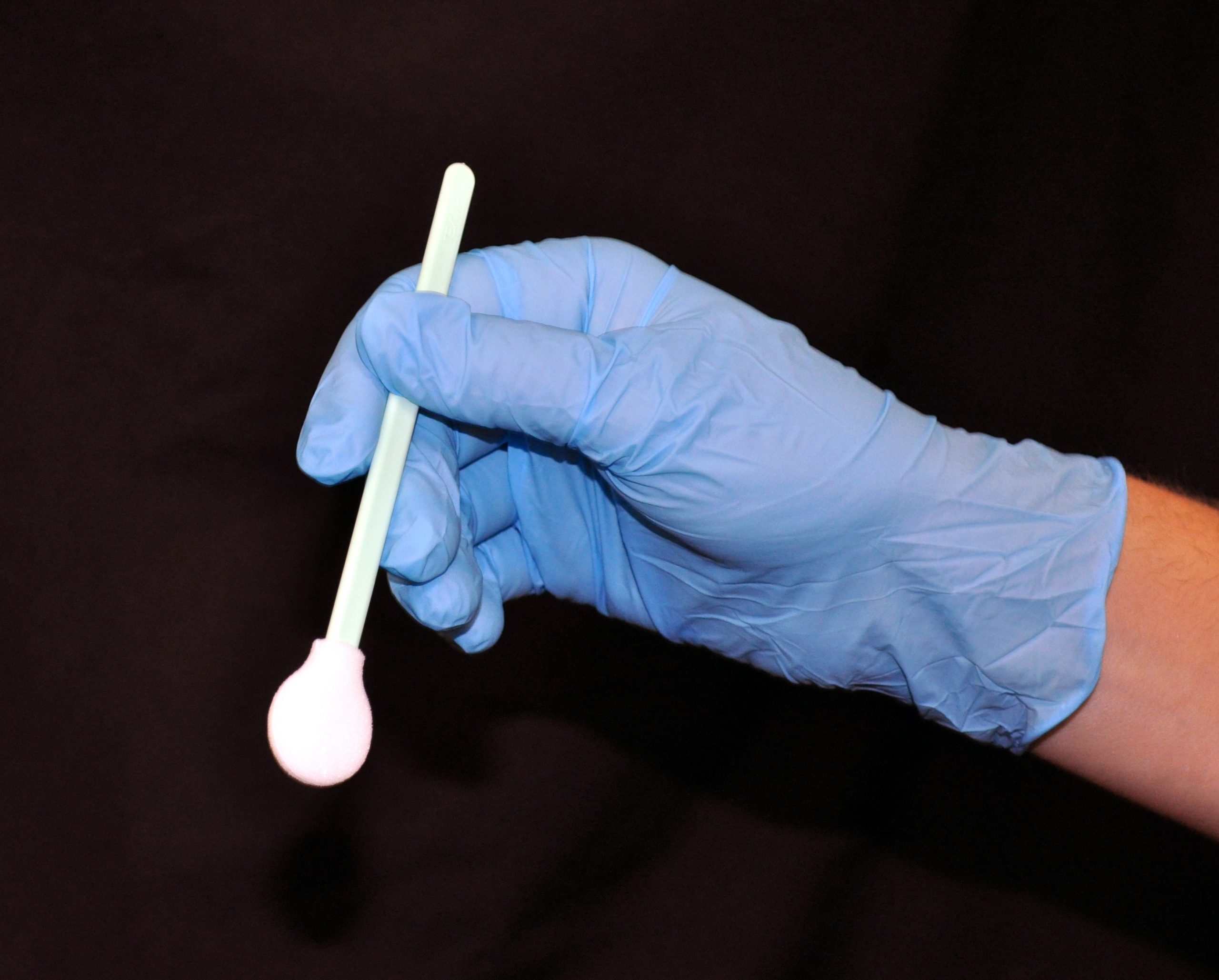
- Gloves: disposable, to limit direct contact.
- Disinfectant: ready-to-use spray or suitable solution.
- Paper towels: to pick up without broom or vacuum initially.
- Double bag: clean disposal, without recontaminating the area.
Photo + criteria: mouse vs rat, without mistakes
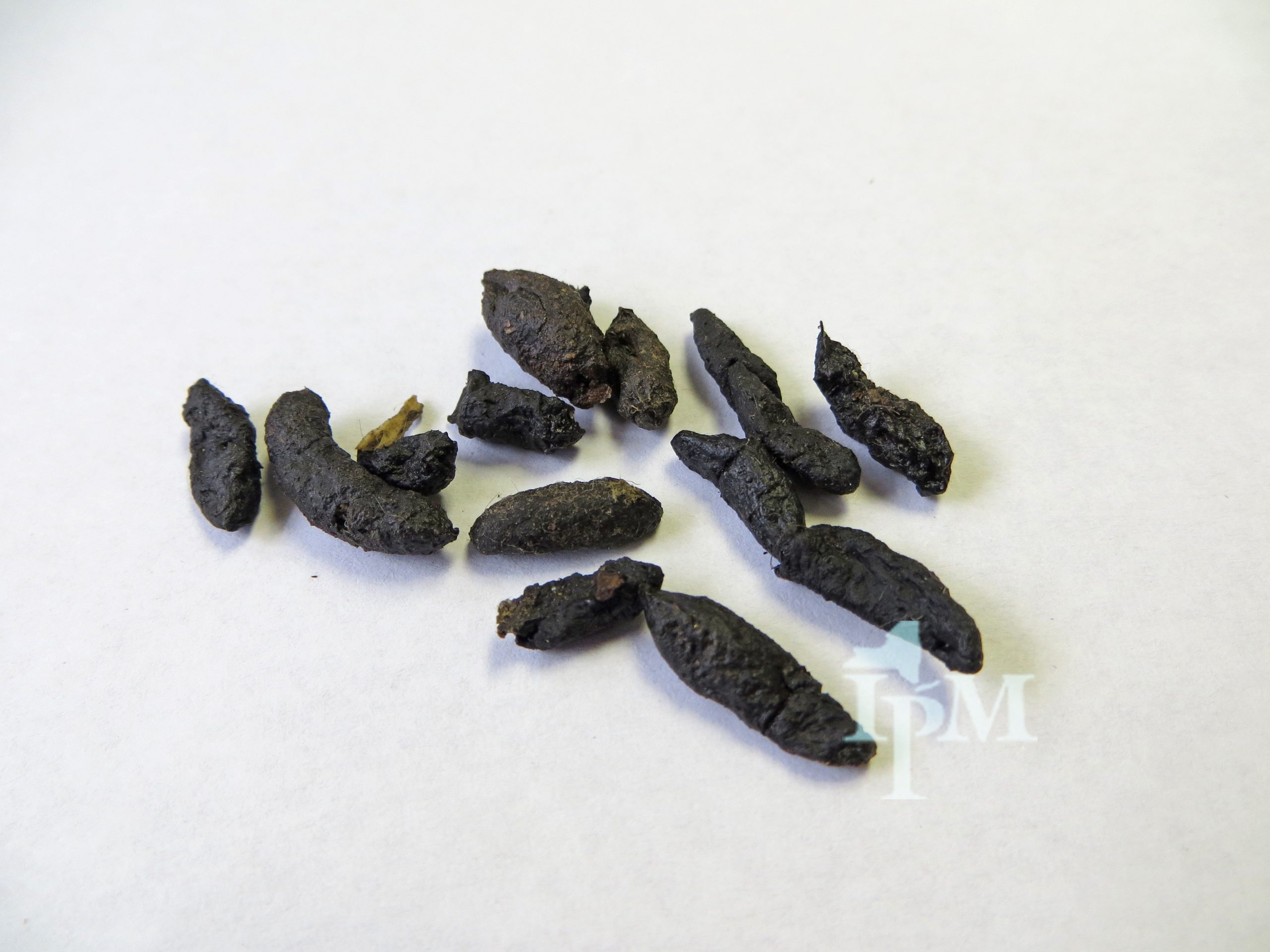
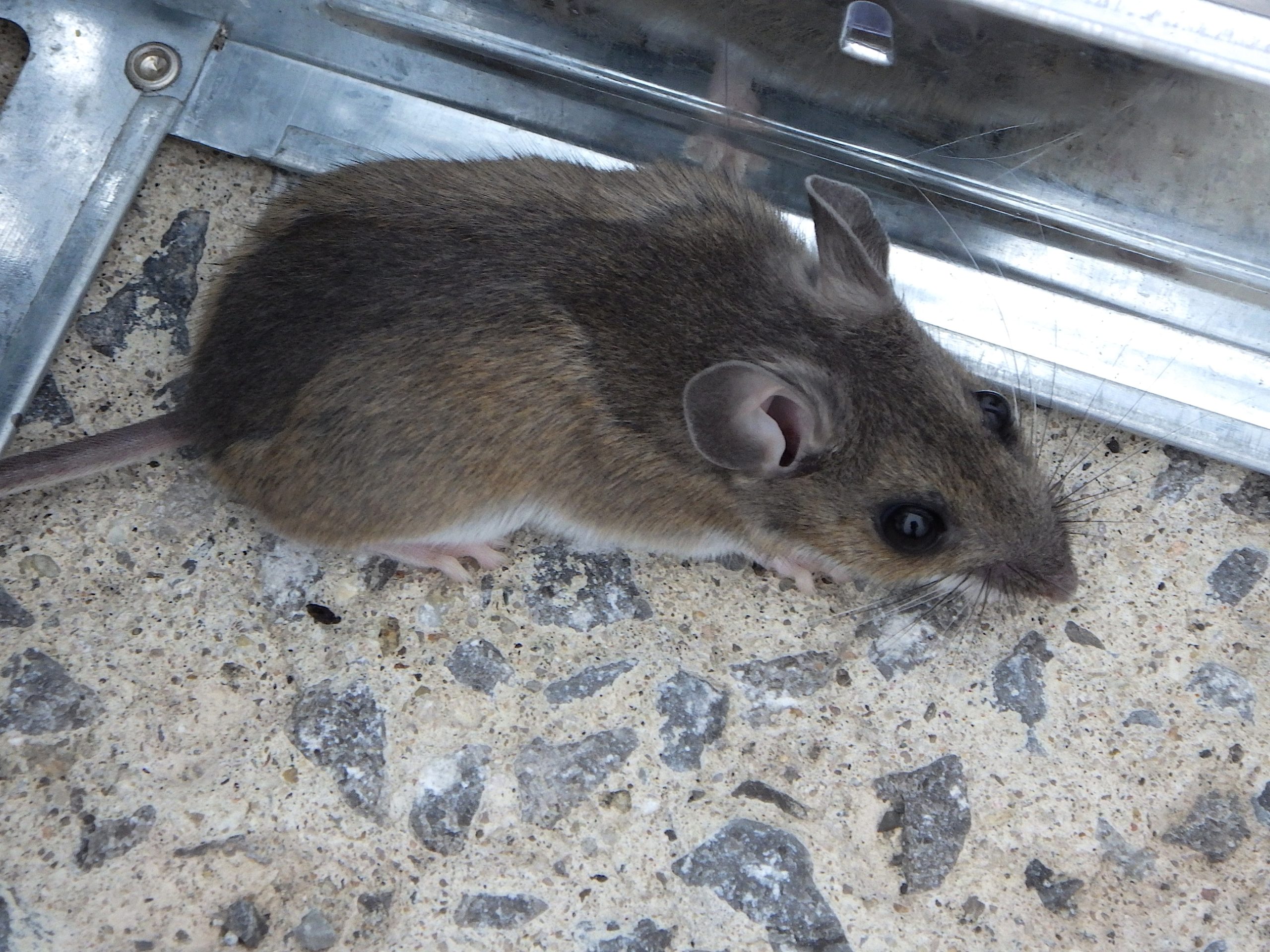
Visually, rodent droppings tell a lot. A mouse dropping often looks like a dark rice grain, thin, regular, with ends tapering to a point. In a home, they are often found in small clusters near a cupboard, behind an appliance, in a low drawer, or close to a bag of food (pets, cereals, seeds). The mouse sneaks everywhere, and it shows: the excrements are sometimes scattered over several points.
The rat dropping is more impressive: longer, thicker, sometimes slightly curved. The ends are often blunt and the appearance can resemble an olive pit. Another clue often comes up: rats move on “highways” (recurrent routes), hence piles near walls, corners, and fixed passage areas.
| Criterion | Mouse | Rat | Reliability |
|---|---|---|---|
| Length | Often 3–6 mm | Often 12–15 mm (≈ 1.25–1.5 cm) | Very high |
| Ends | Rather pointed | Often blunt | High |
| Thickness | Thin, regular | Thicker, massive | High |
| Location | Cabinets, kitchen, behind appliances | Along walls, cellars, garages, damp areas | Medium |
| Evolution | Dries fairly quickly, fragments | Shiny black then grayish with age | Medium |
To identify a mouse, the clearest signature remains the size: small elongated droppings, often comparable to a grain of rice, with a rather pointed end. When measured and falling around a few millimeters, the “rat” error becomes rare. Conversely, as soon as you approach a centimeter or more, the scale quickly tips toward rat.
University of Arizona Cooperative Extension, “House Mice” fact sheet, 2023.
Where you find them: what the location reveals
The location is not a detail: it helps understand the type of rodent and the level of infestation. A mouse often follows walls but also climbs, explores shelves, slips behind furniture, and settles in warm, discreet areas. You then see droppings near food, opened packaging, sometimes rub marks (small dark marks along baseboards) and tiny entry points.
The rat prefers “safe” routes: edges, corners, dimly lit areas. In a house, droppings often appear in a garage, cellar, laundry room, near an exterior access, or around a trash area. A musky odor and greasy marks on regular paths reinforce the “rat” clue. The logic is simple: a larger animal leaves more marks and moves on more stable routes.

A practical detail: if you find droppings high up (in attics, on beams, near a false ceiling), also consider more “climbing” species depending on the region (not only the brown rat). Exact species identification may require cross-checking with other signs (nocturnal noises, damage, access points). When the goal is to act quickly, the priority remains: mouse or rat, then seal and sanitize.
Freshness, quantity, grouping: read clues like a map
The question that almost always follows is: “Is it recent?” A fresh dropping often looks darker and may seem slightly shiny (depending on humidity). As it ages, it dries out, lightens, wrinkles, and may fragment. For rats, some public services describe shiny black droppings that become paler over time: a useful clue, though not a perfect clock (humidity speeds up or slows everything).
The quantity gives an idea of activity. Seeing 2–3 isolated droppings does not exclude presence, but does not have the same significance as a filled corner with daily droppings. Some public organizations give a telling order of magnitude: a rat can produce thousands of droppings per year. If you find them “every day,” the infestation is active and action must be immediate (trapping + sealing access + hygiene).
Also look at the grouping. A pile in a specific spot signals a comfort zone, a fixed passage, or a place where the animal feels safe. Conversely, droppings scattered over a wide area (kitchen + pantry + garage) suggest a mouse exploring or multiple individuals. In both cases, the right reflex is to turn observation into an action plan: locate what attracts (food, water) and where it enters.
Risk-free cleaning: simple and serious protocol
Even before picking up, remember a rule: do not sweep or vacuum dry droppings. The main risk is not “the dropping itself,” but the suspension of contaminated particles. Public health recommendations go in the same direction: first moisten/disinfect, wait, then pick up with disposable support, and finish with a thorough cleaning of the area.
| Step | Detail | Duration / reference |
|---|---|---|
| Air out | Open, let air renew before entering the “cloud” | 20–30 min depending on context |
| Disinfect | Soak (spray) until saturated, without spraying under pressure | Wait 5–10 min |
| Pick up | Paper towel + bag, no broom or vacuum initially | Immediate |
| Clean | Apply disinfectant again on the surrounding surface (not just the pile) | 2 passes |
| Finish | Hand washing, glove disposal, sealed bags, separate laundry if needed | Systematic ritual |
Effective cleaning follows a strict order: avoid creating dust, air out, then soak the droppings with disinfectant. Waiting is part of the protocol: it reduces risk before picking up. Once droppings are removed, the surrounding surface must also be treated. The benefit is twofold: immediate hygiene and reduced respiratory risk linked to particles.
CDC, “Clean Up After Rodents” guide, 2024; National Park Service, “light infestation” protocol, 2025.
Regarding products, keep it simple: an appropriate disinfectant (follow the label) or a bleach-type diluted solution when recommended by institutional protocols. Some occupational health documents specify a 1:10 dilution (freshly prepared) and a prolonged wait (up to 10 minutes) to let the product act. If odor or fumes are problematic, ventilate more and avoid mixing (no mixing with acids/ammonia).
After identification: eliminate, secure, prevent
Identifying mouse or rat droppings is only useful if the follow-up is coherent. Three levers make the difference: remove access, remove attraction, remove the animal. Without sealing entry points, the best trapping becomes permanent “maintenance.” Without managing food and water, you feed the infestation.
Start with the concrete: store all edible items in closed containers (including pet food), put out trash bags in a container with a lid, remove bowls at night if necessary, and track micro-leaks (water under sink, condensation). Then look for entry points: behind the dishwasher, around pipes, ducts, door bottoms, vents, hatches, grilles.
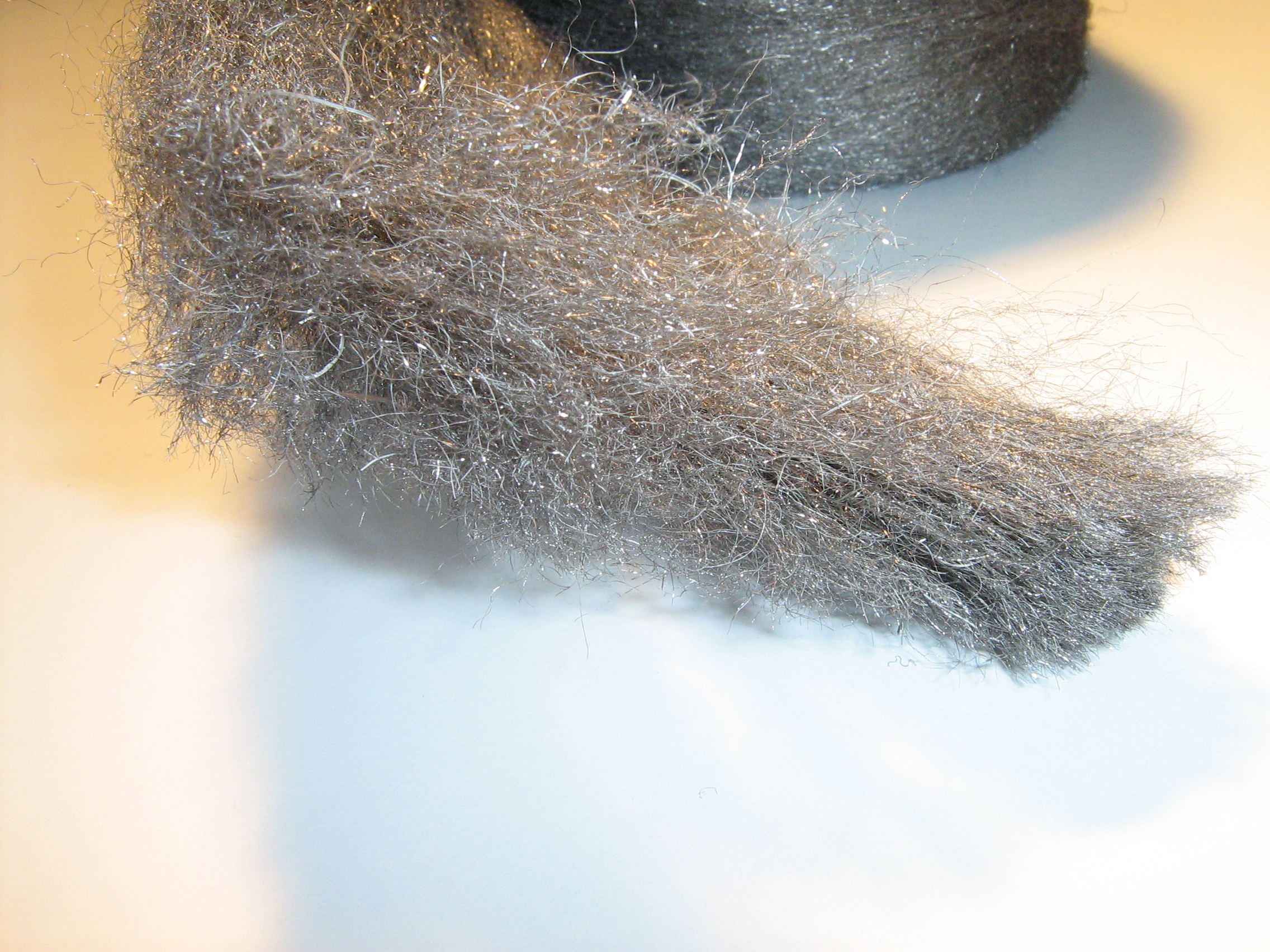
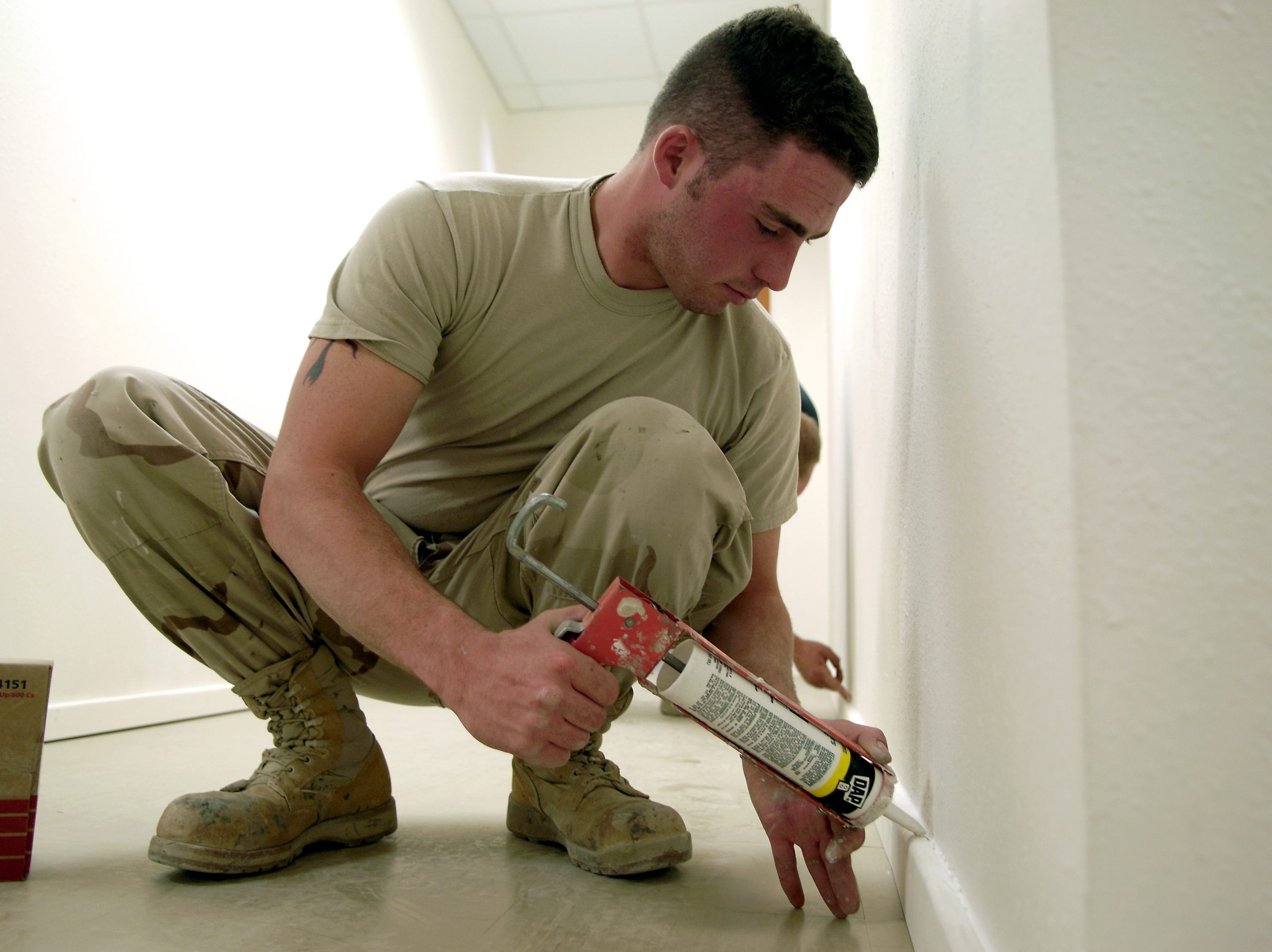
To seal, the “pro” logic is often: material that resists gnawing + tight finishing. Steel wool can serve as a first barrier on a hole, then consolidate with a durable solution (depending on support). Door bottoms are treated with appropriate thresholds and seals. The goal: turn a “permeable” home into one where the animal no longer finds a route.
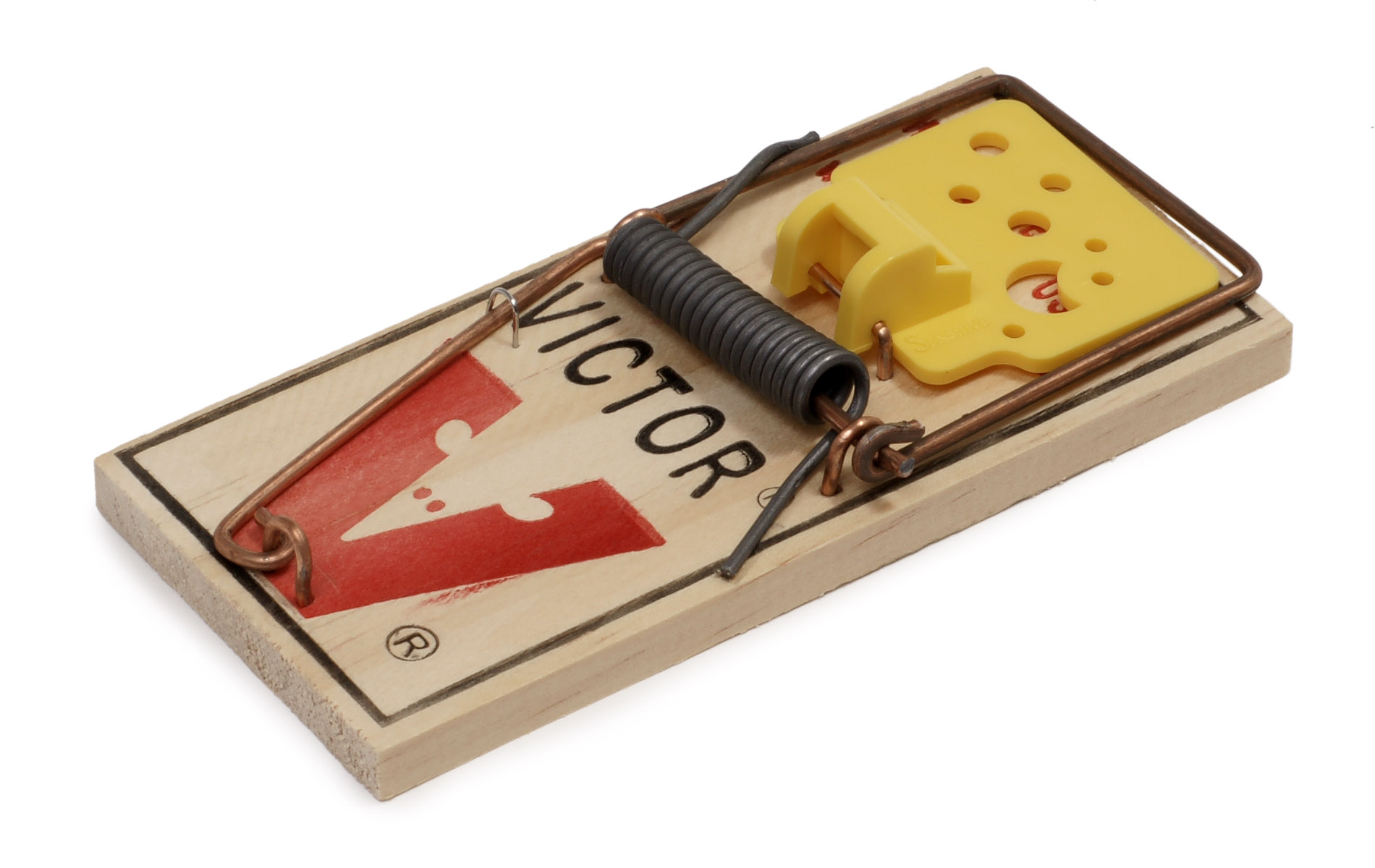
On the “remove the animal” side, mechanical traps (well placed, along walls, in passage axes) remain a classic approach. Placement matters more than number: better 2 traps in the right spot than 10 randomly. If you handle traps in contaminated areas, apply the same protocol: disinfection, gloves, sealed bags.
Why caution is justified: health risks, without dramatizing
Rodents can transmit infectious agents via urine, excrement, or nesting dust. It is not automatic, and most daily exposures lead to nothing… but when there are many dry droppings in a closed space, respiratory risk becomes the number one reason to apply a strict protocol. Public health recommendations against sweeping/vacuuming go exactly in this direction.
Some data help understand the “hygiene + prevention” logic. Studies on hantaviruses show a significant environmental stability: according to Hardestam et al. (2007), hantaviruses can persist and be transmitted between rodents for up to 15 days after excretion under certain conditions. Regarding leptospires (leptospirosis), a synthesis published in Frontiers in Water reports that a Pomona group leptospire was observed surviving up to 193 days in water-saturated soil, versus 5 days in merely moist soil. These magnitudes explain why humidity, cellars, and dirty areas deserve special vigilance.
Another signal to keep in mind: leptospire presence in rats varies by city and context. Recent field studies report sometimes high prevalences in urban populations (examples: 28.7% in a study on rats in Bordeaux; 84.6% in a study on urban rats in Surabaya). These figures do not describe your street, but they remind that the “I pick up dry and forget” approach is not a good bet.
The recommended cleaning measures do not aim to “scare,” they aim to limit a specific mechanism: the resuspension of contaminated particles. Airing, disinfecting, waiting, picking up without sweeping, then cleaning around: this sequence reduces risk while remaining realistic for a household. Caution increases when there are many droppings or fragile persons in the home.
CDC (public health), cleaning recommendations after rodents, 2024.
When to consult a health professional? If a person has been exposed to a highly contaminated area (dust, cleaning without protection) and then shows fever, muscle aches, marked fatigue, respiratory problems, or unusual symptoms, it is better to clearly describe the exposure. The doctor will decide on useful tests according to your local context.
Methodology: how this guide was built
To avoid “guesswork” advice, the method relies on 7 criteria repeated in institutional guides and technical sheets: size, ends, thickness, color/evolution, location, grouping, associated signs (marks, damage, entry points). These criteria were cross-checked with public health cleaning recommendations (aeration procedures, disinfectant contact time, prohibition of sweeping/vacuuming dry).
The content was reviewed with a deliberate constraint: each diagnosis must be possible with a measuring object and a location reference, without specialized equipment. Assumed limits: (1) young rats and some close species can create gray areas, (2) humidity distorts appearance, (3) exact species identification is not the guide’s goal, which mainly aims at the decision mouse vs rat and quick action.
FAQ: mouse or rat droppings
What exactly do mouse droppings look like?
Generally: small, elongated, rice grain-type, often 3–6 mm, with rather pointed ends. Found near food, behind furniture, in cupboards.
What do rat droppings look like?
Longer and thicker, often around 1.25–1.5 cm, with a more “olive pit” shape. Often near walls, in cellars, garages, damp areas.
Is a single dropping enough to confirm an infestation?
Not always. A single dropping indicates possible passage. Repetition (new droppings after cleaning), quantity, and associated signs (damage, marks) confirm activity.
How to know if droppings are recent?
Indicative: darker and sometimes slightly shiny if recent, then drier, crumbly, lighter as they age. Humidity can mislead, so better also rely on reappearance after cleaning.
Can I vacuum droppings if I wear a mask?
Public health recommendations advise against vacuuming or sweeping dry because it resuspends particles into the air. Better: air out, soak with disinfectant, wait, pick up, then clean.
What disinfectant to use for cleaning rodent droppings?
An appropriate disinfectant (follow label) or a solution recommended by institutional protocols (e.g., freshly prepared 1:10 dilution with sufficient contact time). Never mix products.
What diseases are associated with rats and mice?
Risks vary by country and context, but exposure to urine, droppings, and nesting dust justifies careful cleaning. Some publications describe notable environmental persistence (hantaviruses, leptospires) especially in favorable environments.
How to find the entry point?
Follow baseboards and technical areas: around pipes, behind appliances, door bottoms, vents, cracks. Look for rub marks, small holes, and “clean” paths in dust.
When should I call a pest control professional?
If you see many droppings, repeated traces despite cleaning, persistent nocturnal noises, or if the area is highly contaminated (attics, false ceilings, large surface). Institutional protocols distinguish “low infestation” and situations requiring enhanced protection.
What is the most cost-effective next step?
Block access. Without sealing entry points, trapping risks becoming endless. Then only: well-placed trapping + hygiene (food/water) + control in 7 to 10 days.
Actionable conclusion: your plan in 30 minutes
If you remember one thing: measure a dropping, look at the ends, then treat the area as a surface to disinfect before picking up. From there, start a simple plan: 1) clean without dust (airing, disinfectant, waiting), 2) remove attraction (food/water), 3) seal access (seals, door bottoms, technical passages), 4) set traps on identified routes. If you notice rapid reappearance, a large quantity of droppings, or a highly contaminated area, move to a professional intervention: you will save time and often gain peace of mind.