
What makes a flower “beautiful”? Color, shape, fragrance, rarity, history, or exceptional size all matter. This guide brings together species that catch the eye and the mind: cultural icons like sakura, botanical records (Rafflesia, titan arum), and chromatic curiosities like the jade vine. You will find verified facts, key places and times to see them, as well as practical advice for photographing and cultivating some of them at home.
Sommaire
In short: floral beauty blends aesthetics, biology, and culture.
Rafflesia holds the largest single flower, titan arum the largest inflorescence.
Sakura in Japan embody impermanence and attract millions of visitors.
Rare colors exist: Himalayan “poppy” blue, turquoise of the jade vine.
Check habitats, seasons, and local rules for ethical observation.
How to judge the “beauty” of a flower?
Floral beauty is multidimensional. Aesthetic: the human eye is sensitive to contrasts and radial symmetries (rosette petals, textured center), hence the universal appeal of roses, peonies, and magnolias. Color: certain wavelengths rare in nature, like the pure blue of Meconopsis or the turquoise of Strongylodon macrobotrys, create a “wow” effect. Fragrance: jasmine or tuberose are popular, but beauty can also come with repulsive odors if they serve pollination, as with titan arum (Amorphophallus titanum) attracting necrophagous flies. Rarity and history: camellia ‘Middlemist’s Red’ is often cited for its modern rarity, while sakura embody a centuries-old tradition. Scale: size records fascinate by their extravagance.
Finally, cultural value alters perception: a synchronized bloom transforming an entire landscape (cherry trees, jacarandas, mimosas) becomes a “beautiful” spectacle beyond the flower alone. Conversely, more discreet species gain aura through their cultivation difficulty or extreme ecology (leafless epiphytic orchids like the “ghost orchid” Dendrophylax lindenii). Understanding these levers allows ranking the “most beautiful” flowers from various angles, without seeking a single ranking.
Botanical records: size, odors, biology
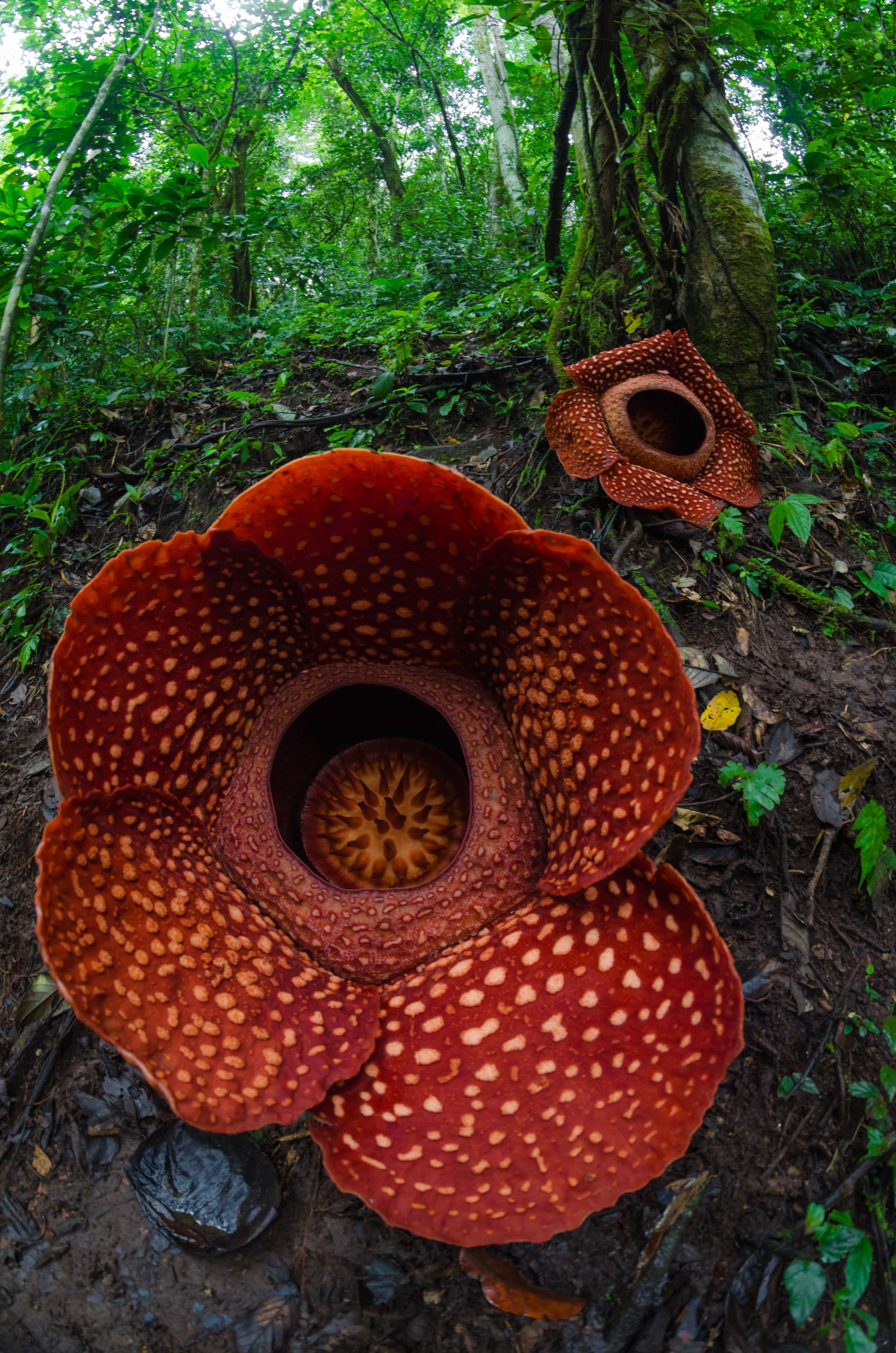
The largest single flower belongs to Rafflesia arnoldii, a parasite of tropical vines in Sumatra and Borneo: corollas over one meter in diameter have been measured, with a weight reaching more than 10 kg. This fleshy flower, dotted with warts, emits a carrion smell to attract its pollinators. The record data are confirmed by Guinness World Records and recent scientific literature on the conservation status of various Rafflesia species (many are threatened). See: Guinness World Records and a call from researchers relayed by the University of Oxford (2023) on the need for a complete IUCN assessment.
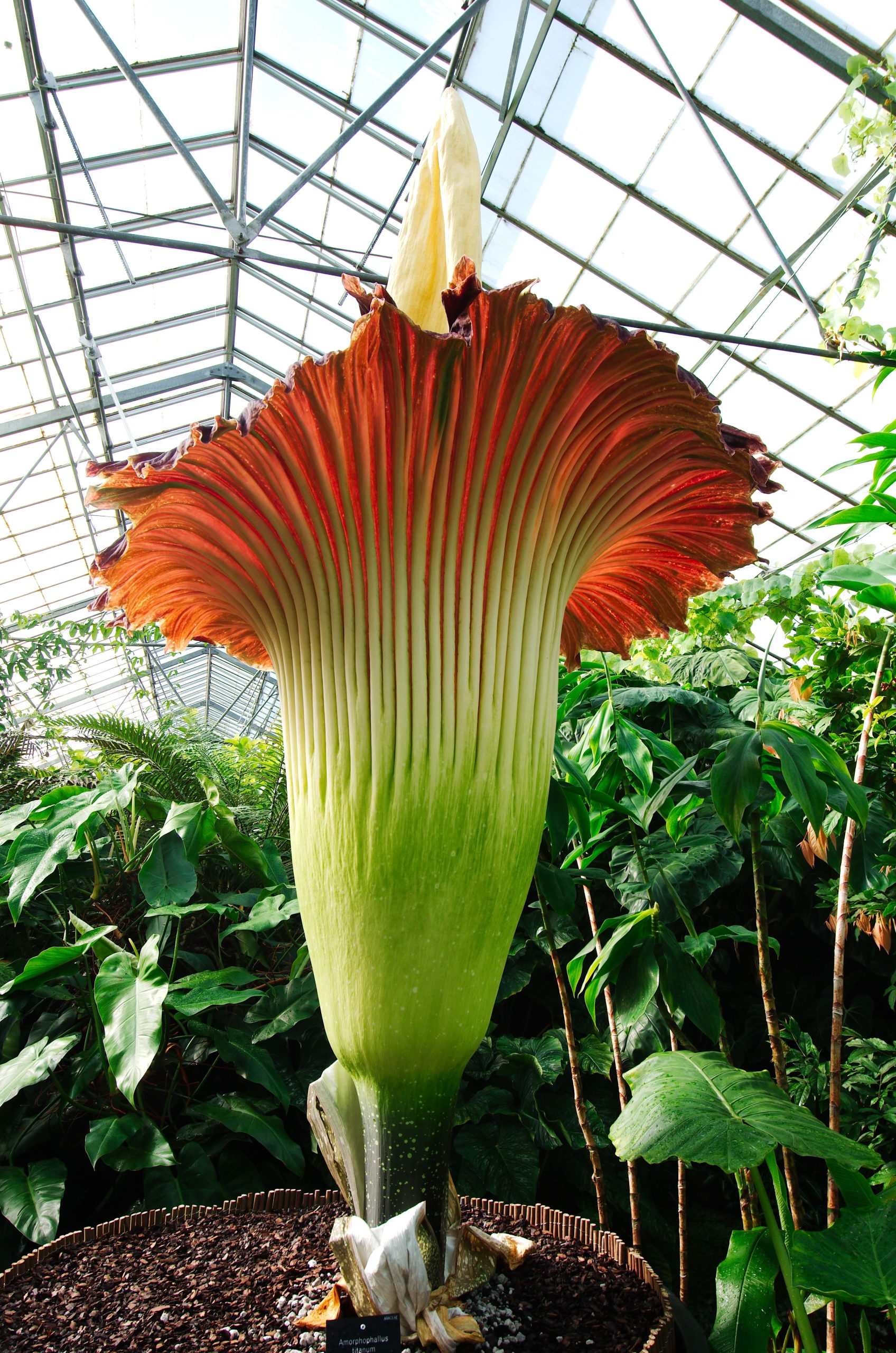
The largest unbranched inflorescence is that of the titan arum (Amorphophallus titanum), sometimes nicknamed the “corpse flower.” Its spadix can reach nearly 3 m tall, wrapped in a burgundy spathe. It actively heats up to volatilize its odorous compounds and attract beetles and flies; bursts of scent are observed at dusk when it opens. The Royal Botanic Gardens, Kew, documents this phenomenon and its spectacular greenhouse blooms.
These two plant “monsters” remind us that beauty can be fascinating through excess as much as through delicacy. They also pose conservation challenges, as their forest habitats are fragmented. Studies published in 2025 estimate that a majority of Rafflesia species risk extinction without coordinated actions (protected areas, in situ monitoring, ex situ propagation).
Cultural icons: the magic of Japanese cherry trees
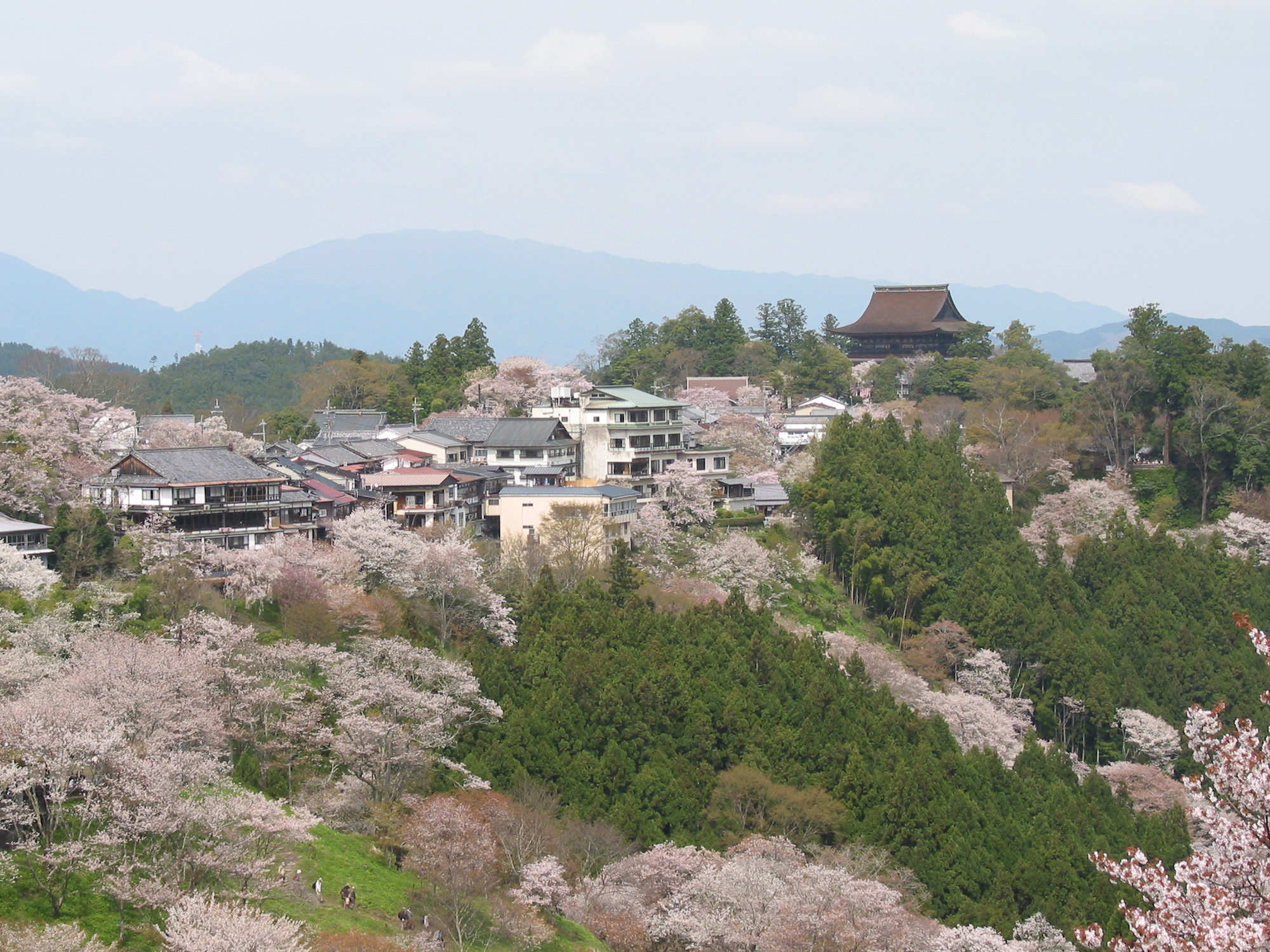
Sakura are neither the largest nor the most fragrant flowers, but they transform space on a large scale. Japan celebrates hanami, a convivial viewing of the bloom, from March to May depending on the region: Okinawa opens the season, Hokkaidō closes it. Mount Yoshino (Nara) or the urban parks of Tokyo and Kyoto concentrate thousands of trees which, at peak bloom, create a pink-white mist. The Japan National Tourism Organization explains the ritual origin of sakura and their link to impermanence, rebirth, and contemplation (Japan Travel).
To plan your visit, consult seasonal bulletins and bloom forecasts published annually by meteorological agencies and tourist offices. You will also enjoy the yozakura (night illuminations) that enhance the semi-transparent petals. Beyond the postcard image, various cultivars play with timing, petal density, and shades, from pure white to deep pink.
Rare colors: Himalayan blue and tropical turquoise
Within the floral spectrum, certain hues attract because they are rare in the wild. Himalayan “poppy” blue: Meconopsis betonicifolia (or M. baileyi) offers satin azure blue petals, native to Yunnan, Tibet, and northern Myanmar. Kew Science indicates its native range and its nature as a perennial of cool climates. Cultivation in lowlands is reputed delicate: acidic soil, cool summers, light shade, protection from heat stress, planting in spring or late summer. Historic gardens like Butchart (Canada) have contributed to its cultivation spread in the 20th century (anniversary 1925–2025).
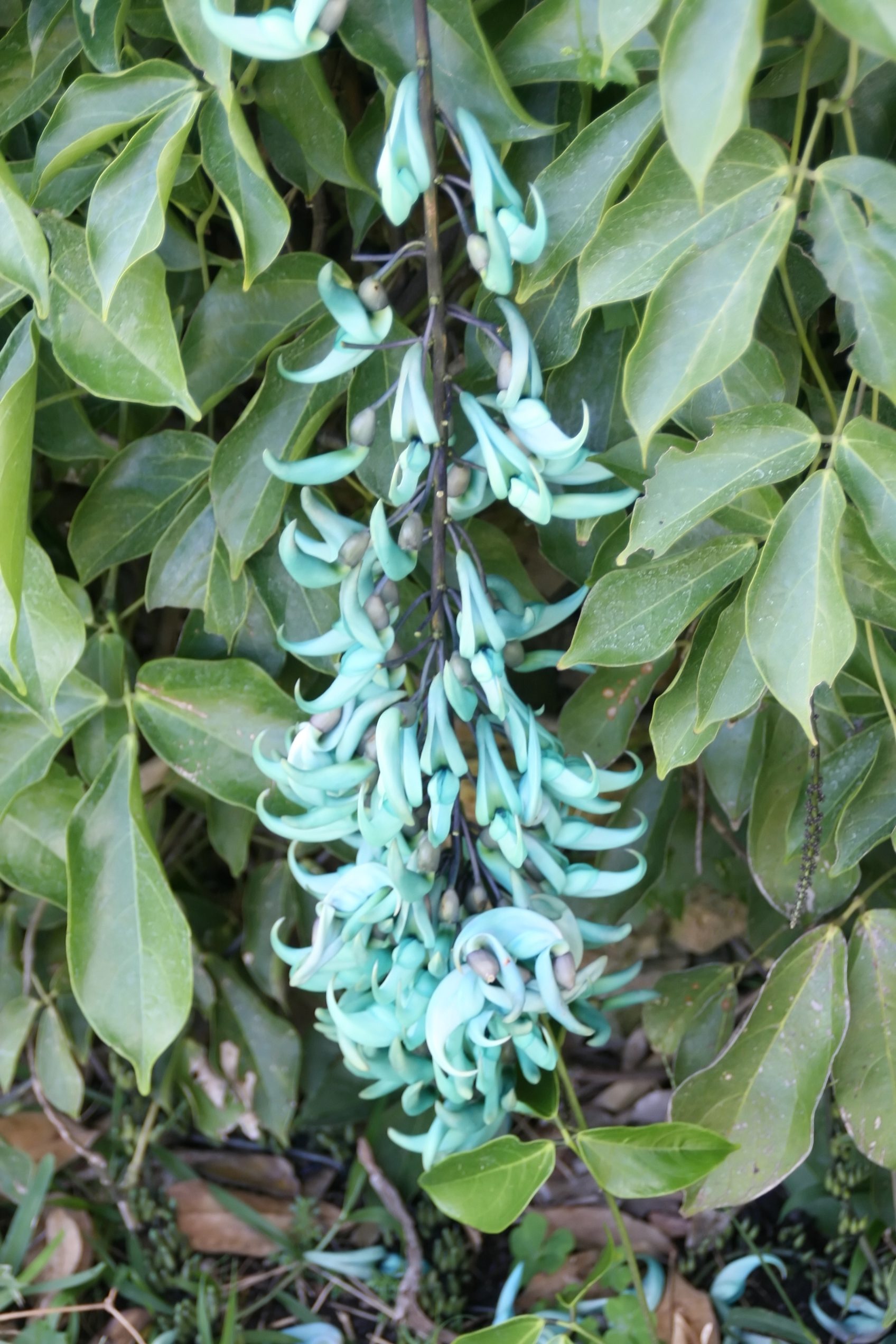
Tropical turquoise: the jade vine (Strongylodon macrobotrys), endemic to the Philippines, bears long hanging clusters up to ~3 m of strange “hooked” blue-green flowers. Kew details its vine biology, fleshy pods, and successful propagation by nodal cuttings in conservatories. In cultivation, warmth, humidity, and a sturdy support are essential, as well as pollinators or manual pollination for seed production.
Garden classics: roses, tulips, peonies, hydrangeas, magnolias
Modern roses: hybrid teas and floribundas dominate flower beds for their repeated blooms, solitary or in bouquets, and an immense palette. The Royal Horticultural Society (RHS) describes the architecture of hybrid teas, with large flowers often borne one per stem, and the bushier floribundas. The biology of modern roses is rooted in historical crosses between European and Chinese roses, the latter bringing remontancy and new tones.
Tulips: their simple silhouette dresses flower beds and pots. Beyond aesthetics, they have nourished a page of history: the “Tulip Mania” (1634–1637) is documented by Encyclopædia Britannica as one of the first episodes of mass speculation in Europe. The “broken” tulips with bicolored flames, caused by a virus, were then prized. Today, horticulture has stabilized thousands of cultivars, classified by shapes and flowering periods. Plant deep, in the sun, in well-drained soil, even if it means raising the flower bed to avoid excess winter water.
Peonies (Paeonia): the lactiflora peony (P. lactiflora) is a temperate climate perennial, native to Northeast Asia according to Kew Science. Large flowers from simple to very double, often strongly fragrant, long lifespan in place. Advice: stake very double varieties exposed to spring rains.
Hydrangeas (Hydrangea macrophylla): the “mopheads” (balls) and “lacecaps” (flats) offer spectacular inflorescences in summer. The RHS reminds that the color depends on pH and aluminum availability: acidic soil for blue, alkaline for pink. Do not prune too short the forms that bloom on wood from the previous year, risking compromising the season.
Magnolias: from the evergreen Magnolia grandiflora, with huge ivory lemon-colored flowers, to deciduous species with tulip-shaped corollas of late winter, the genus beautifies gardens. Kew indicates the natural range of M. grandiflora in the Southeastern United States. Choose a wind-sheltered location, in non-calcareous soil; avoid severe pruning.
Sculptural exotics: bird of paradise, frangipani, wisterias
Bird of paradise (Strelitzia reginae): native to southern Africa, this rhizomatous perennial about 1–1.5 m tall produces orange and blue bracts evoking a bird’s head. Kew/POWO places its distribution from the Cape to KwaZulu-Natal and notes its growth in clumps of leathery leaves. Pot culture possible in cool regions: full sun, well-draining substrate, and occasional repotting. Often winter flowering indoors in bright light.
Frangipani (Plumeria rubra): tropical tree or shrub with waxy, intensely fragrant flowers, native to tropical Americas. CABI notes its drought and salt spray tolerance, and its ability to root easily from cuttings. In frost-free climates, place it in full sun and avoid overwatering during dormancy.
Japanese wisteria (Wisteria floribunda): deciduous twining vine, native to Japan (POWO). The hanging clusters can exceed 50–90 cm depending on cultivars, with flowers opening from the base toward the tip. The Missouri Botanical Garden notes its twining clockwise, a useful detail for training. Require a sturdy support and regular pruning to stimulate flowering and contain vigor.
Biodiversity and conservation of rare flowers
Beauty attracts, but human pressure weakens habitats. Rafflesia: an international collective raised an alert in 2023 about the high proportion of species potentially at high risk of extinction and recommends rapid additions to the IUCN Red List. Ghost orchid (Dendrophylax lindenii): the species, native to Florida and Cuba, was proposed for federal listing as “endangered” in the United States in 2025, a sign of increased vigilance over its populations. The large emblematic flowers are effective ambassadors: they raise public awareness about ecological corridors, the fight against poaching, and genetic monitoring of populations.
Regarding best practices: prioritize in situ observation with responsible operators, support botanical gardens and seed banks, and do not buy specimens illegally collected from the wild. Botanical gardens (Kew, SANBI, etc.) play a key role: inventories, ex situ cultivation, exchanges of genetic material under controlled agreements.
Where and when to admire them: schedule and locations
- Sakura (Japan): March–April depending on latitude. Routes recommended by the Japanese National Tourism Organization, with daytime hanami and nighttime yozakura. Very early bookings recommended during high season.
- Rafflesia (Sumatra/Borneo): sporadic, ephemeral blooms, locally announced by reserves. Access sometimes regulated to protect sites.
- Titan arum: check announcements from major botanical gardens (Kew, Huntington, etc.). The flowering window is brief: 24–48 hours.
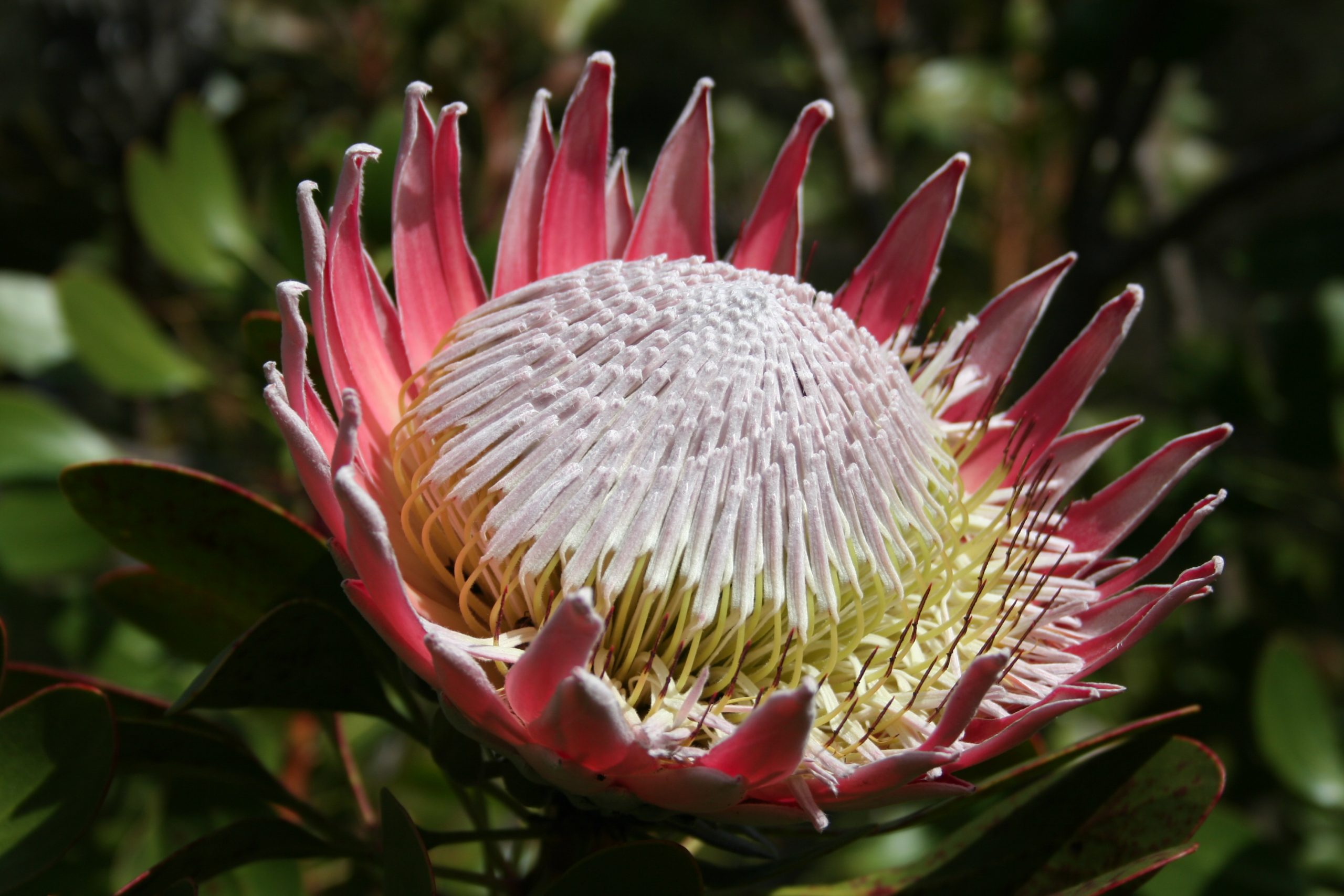
- Protea cynaroides (Cape, South Africa): at Kirstenbosch, notable blooms from winter to southern spring.
- Wisterias: late April–May in temperate climates, with spectacular flower tunnels in some Asian and European parks.
Photographing flowers: simple method for sharp shots
Three levers suffice in most cases: light, stability, proximity.
- Light: aim for diffuse light (morning, late afternoon, overcast sky). Avoid zenithal sun that flattens petals and burns highlights.
- Stability: brace your elbows, use a support or a fast shutter speed. On a smartphone, tap to focus on the heart of the flower and lock the exposure.
- Proximity and angle: position yourself at flower height, vary the angle to reveal textures and symmetries. A distant background creates natural blur and highlights the corolla.
Ethically, do not trample sensitive areas, do not pick protected wild species, and respect signage.
Trends and best practices in 2025
Responsible sectors: favor labels that limit pesticides and water consumption, and shorten supply chains. Perennial plants: integrating perennials (peonies, irises, daylilies) reduces the carbon footprint compared to recurring purchases of cut flowers. Gardens for pollinators: diversify blooms throughout the season, leave “wild” areas, provide shallow water. Climate: adapt floral palettes to drought or mild winters that shift schedules. Botanical gardens publish technical sheets adapted to regions; rely on these resources rather than generic lists.
FAQ
What is the largest flower in the world?
Rafflesia arnoldii holds the record for the largest single flower, with specimens measured at over one meter in diameter according to Guinness World Records.
And the largest “flower” in greenhouses that smells bad?
The titan arum (Amorphophallus titanum) bears the largest unbranched inflorescence. Kew reports peaks close to 3 m tall and a strong but very brief odor.
Where to see the most beautiful cherry blossoms?
In Japan, from March to May depending on the region: Tokyo, Kyoto, Mount Yoshino, Hokkaidō. The Japanese National Tourism Organization publishes seasonal guides and maps.
Why are some hydrangeas blue and others pink?
The color of Hydrangea macrophylla depends on pH and aluminum: acidic soil for blue, more alkaline for pink, as explained by the RHS.
Can jade vine be grown at home?
It is possible in tropical climates or in a warm humid greenhouse with a solid support and abundant light. Kew documents its propagation by nodal cuttings in conservation.
Useful resources: Kew Science sheets (Plants of the World Online), RHS Plant Finder, SANBI for South African flora. These databases indicate origin area, cultivation requirements, and conservation status.