
Sommaire
A vegetable garden brings joy and vegetables, but sometimes just one bad habit can turn the harvest into a disappointment. Here, we review the most common mistakes — those that cost time, energy, and sometimes the plant itself — and above all, we explain how to avoid or fix them without revolutionizing your routine. The advice is practical, tested, and designed for gardens of all sizes, from balconies to 50 m² raised beds.
In Brief
🌱 Soil first: a living, well-structured soil is better than repeated amendments. Test the pH, add balanced compost, and prioritize rotation to keep the soil productive.
💧 Thoughtful watering: watering too often or at the wrong times invites diseases and weak roots. Favor deep watering in the morning and mulching to retain moisture.
🤔 Spacing and sowing: planting too close reduces yield and increases diseases. Respect distances, do progressive sowings, and seize optimal planting periods.
🐛 Regular observation: it’s better to detect aphids, slugs, or deficiencies early. A weekly inspection allows simple corrections before escalation.
The 10 Mistakes to Avoid — Explanations and Solutions
1. Not Knowing Your Soil
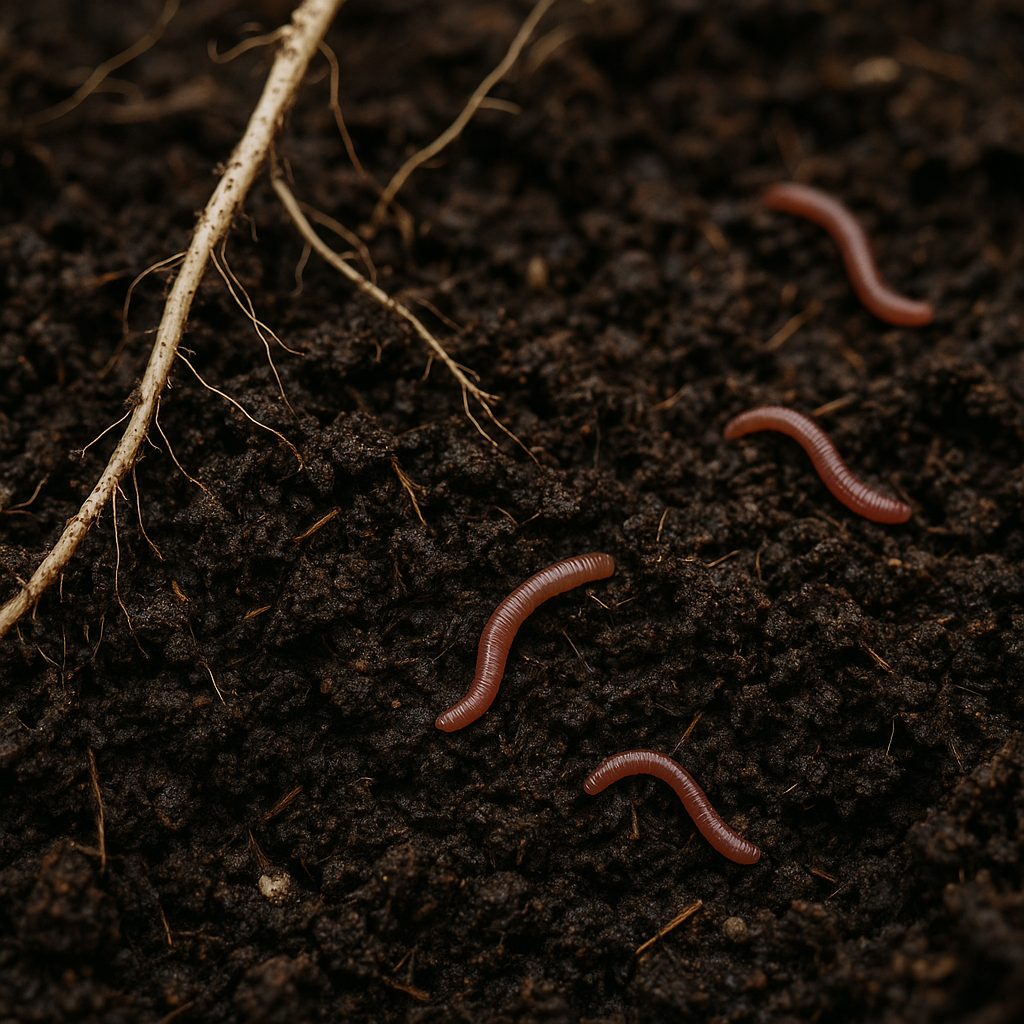
One might think all soils are the same; in reality, each patch has its own story. A compact soil, poor in humus or too acidic, will limit microbial life and nutrient availability. Rather than accumulating random inputs, perform a simple soil test (pH, texture) and observe the structure: if the soil turns into a brick after rain, it needs a lasting input of organic matter and possibly coarse sand for drainage.
Practical solution: apply 3–5 cm of mature compost on the surface each year, work the soil little (or not at all) when it is wet, and consider green manures to naturally restore nitrogen.
2. Watering Hastily
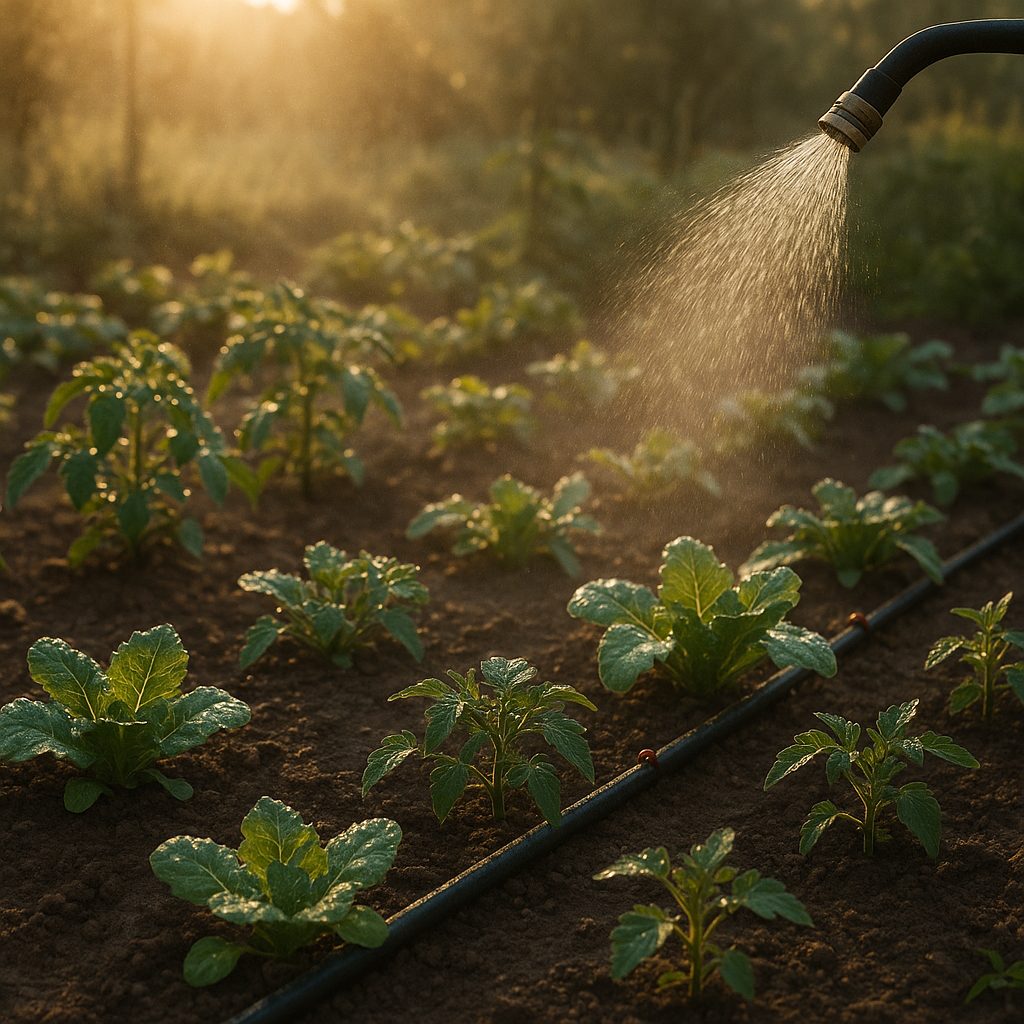
Too frequent but superficial watering creates weak roots near the surface. Conversely, watering too late in the evening favors fungal diseases. The idea is to provide a deep water reserve without drowning the plant.
- Water in the morning when possible, to limit evaporation.
- Favor long, spaced-out watering sessions rather than daily spraying.
- Install organic mulch: it reduces evaporation, tempers the soil, and limits weeds.
3. Too Much or Too Little Fertilizer
Chemical fertilizers can produce beautiful foliage at the cost of weakened roots and increased sensitivity to pests. Conversely, the absence of visible inputs can slow growth and production.
Golden rule: adjust according to actual needs. A soil test and observation of symptoms (yellowing, growth delay) guide the choice. No excess nitrogen before fruiting for crops that produce fruits.
4. Planting Too Close Together
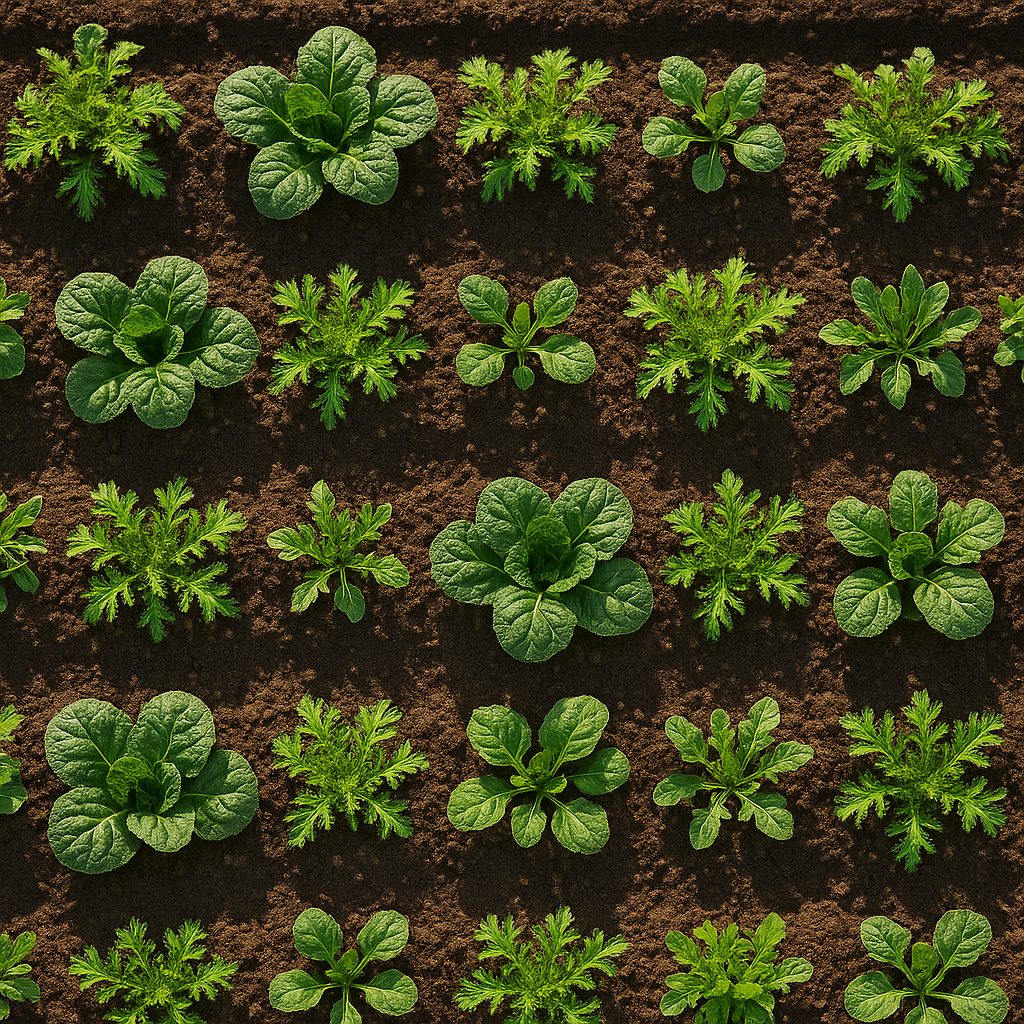
There is often a tendency to want to maximize space, resulting in seedlings planted touching each other. Result: competition, stagnant humidity, more fungal attacks, and a less qualitative harvest.
Respect the distances indicated on seed packets and think in three dimensions: some crops tolerate vertical growing to save space without sacrificing aeration.
5. Neglecting Crop Rotation
Repeating the same plant families in the same place year after year encourages the accumulation of diseases and specific natural enemies. Rotation breaks the biological cycles of pests and rebalances the soil’s nutritional needs.
Practical tip: organize your vegetable garden into four to five plots and alternate families (legumes, solanaceae, brassicas, roots). Legumes, for example, restore nitrogen.
6. Forgetting Beneficial Insects
Useful insects like ladybugs, hoverflies, or lacewings are your allies against aphids and scale insects. A garden that is too clean, without companion flowers or refuge areas, will limit their presence.
What to do: sow flower strips (marigold, borage, cosmos), install wood piles or insect shelters, and avoid systemic insecticides that kill everything, including pollinators.
7. Waiting Until Problems Become Visible
A common limitation: only checking the vegetable garden once a week… and reacting when the problem is already established. Aphids, nematodes, or lack of water are better managed at the initial stage.
Adopt a 10–15 minute ritual three times a week during peak season: leaf by leaf, inspection under leaves, observation of the soil. You will see problems before they worsen.
8. Mulching Poorly or Not Mulching
Mulching is a versatile tool — moisture regulation, weed limitation, gradual supply of organic matter — but if used poorly, it can retain too much moisture near the stem or introduce unwanted seeds.
Tips: use clean materials (untreated straw, fine wood chips, cardboard under 4–6 cm of organic matter), leave space around stems to avoid rot, and renew each year on the surface.
9. Neglecting Sowing and Harvesting Periods
Sowing too early exposes young plants to late frosts; too late and the heat will compromise germination. Success in the vegetable garden often depends on this sense of timing: staggered sowing, transplanting at the right stage, regular harvesting to encourage production.
A simple calendar, adapted to your microclimate, allows spreading out the harvest and avoiding production drops or overcrowding of beds.
10. Overloading your ranks with chemical treatments
Rather than spraying indiscriminately, it is better to act according to a diagnosis and use targeted methods (traps, nets, manure teas, black soap) when possible. Repeated treatments disrupt soil fauna and create resistances.
Rule: intervene when the action threshold is reached, prioritize prevention (resistant varieties, rotation, hygiene) and test gentle solutions before considering a stronger product.
Summary table: mistakes and quick actions
| Mistake | Symptoms | Quick action |
|---|---|---|
| Compact soil | Poor germination, puddles | Add compost, avoid working when wet |
| Superficial watering | Wilting leaves, short roots | Deep watering in the morning, mulching |
| Too dense planting | Crowded foliage, more diseases | Thin out, transplant |
| No rotation | Persistent pests | Organize 4-year rotations |
Practical checklist for your upcoming seasons
- Test the soil every 3–5 years.
- Mulch from spring and add compost in autumn.
- Plant according to the light and space needs of each species.
- Establish a short and regular observation routine.
- Favor varieties adapted to your climate.
FAQ
How much compost should be added each year?
For a home vegetable garden, 3–5 cm of mature compost on the surface per year is often sufficient. It gradually nourishes the microfauna and improves soil structure without causing excess nitrogen.
When to water if the soil retains water well?
Check the soil at 5–10 cm: if it is still moist, wait. It is better to water deeply every 4–7 days depending on the heat than to moisten the surface daily.
Which mulch to choose for vegetables?
Straw, dry grass clippings, and fine wood chips work well. Avoid materials that are too fine and compact, and prefer a mulch about 5–8 cm thick. Leave a free zone at the base of the stems to prevent rot.
Should everything be treated at the first sign of aphids?
Not necessarily. If the infestation is limited, spray insecticidal soap or introduce beneficial insects. Treat chemically only if the extent justifies it and as a last resort.