Want to secure your garden, gain privacy, or enhance the facade? Custom fencing adapts to the terrain, the style of the house, and your budget. In this clear and practical guide, compare materials, understand prices, follow installation steps, and adopt the right maintenance habits.
Sommaire
1. Why choose custom fencing?
Custom fencing provides a precise solution to your need: following a sloping terrain, bypassing an existing low wall, combining aesthetics and security, or filtering the view without darkening the garden. Unlike standard solutions, it allows you to optimize the height, the length, the spacing of the posts, and the details (privacy slats, decorative cutouts, caps…). The result: an installation that lasts over time, truly adapted to the location and consistent with the house.
2. Materials: wood, PVC, aluminum, wrought iron
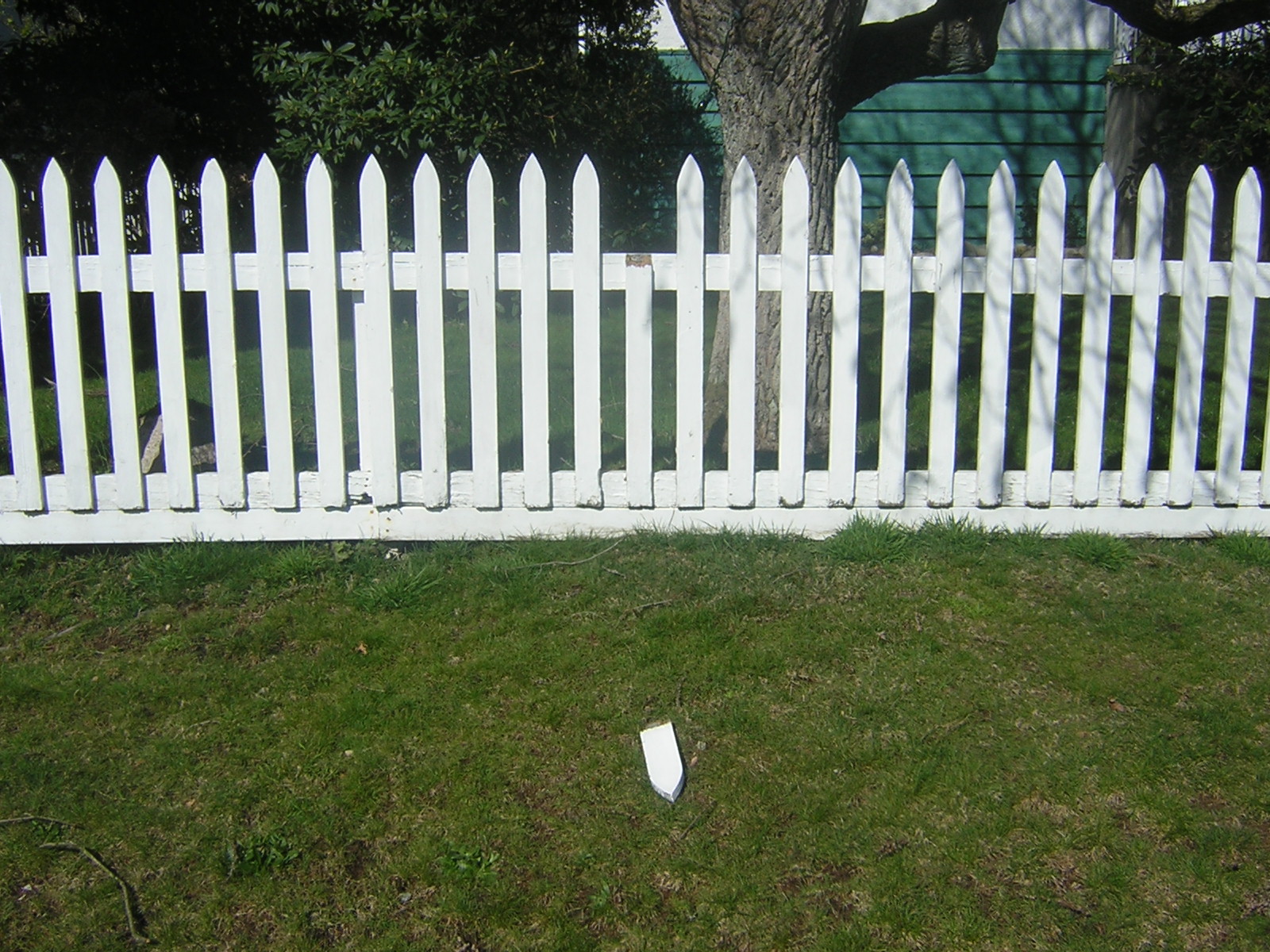
Wood: warm and natural
Wood integrates perfectly into lush gardens. It offers a warm aesthetic and is easy to customize (type of wood, stain, shape of the slats). However, it requires regular maintenance (varnish/paint) to resist moisture and UV rays. Plan a budget consistent with a durable wood species (treated pine, oak, locust) and check the origin (labels).
PVC: simple, economical, and maintenance-free
PVC is favored for its ease of maintenance (a quick wipe is enough) and its affordable cost. Lightweight and easy to install, it suits flat or slightly uneven terrains. Its limits: less rigidity against strong winds (without reinforcements) and faster aesthetic aging compared to aluminum or wrought iron.
Aluminum: modern, durable, and customizable
Strong, rustproof, and highly modular, aluminum ticks all the boxes for a custom project: solid slats, openwork, privacy slats, RAL colors, decorative laser cutting. It is more expensive to purchase but longevity and low maintenance compensate in the long run. Ideal for contemporary styles.
Wrought iron / steel: character and robustness
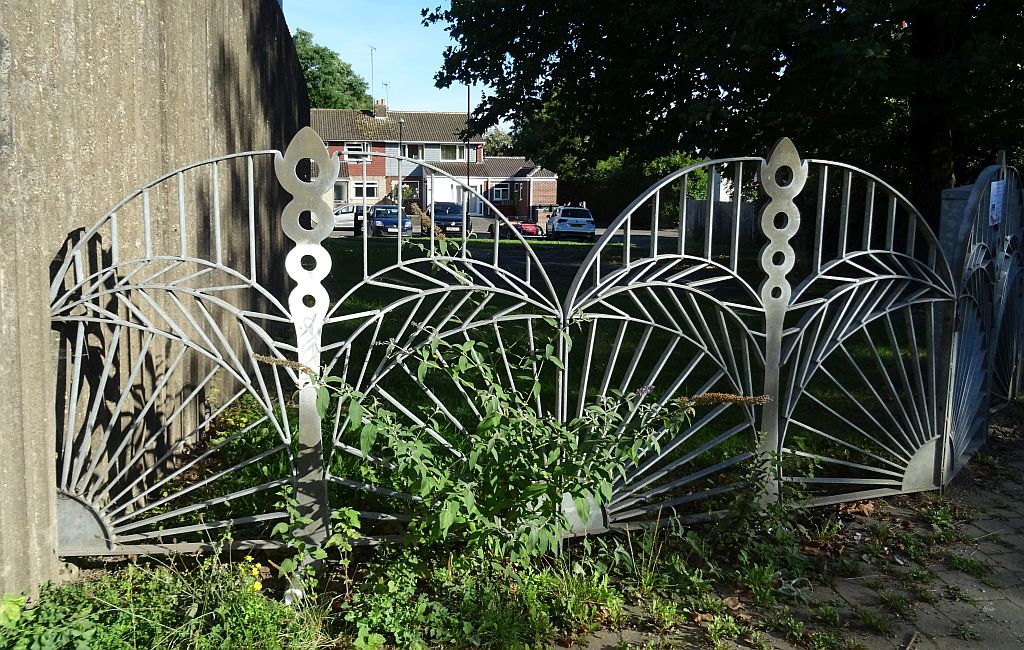
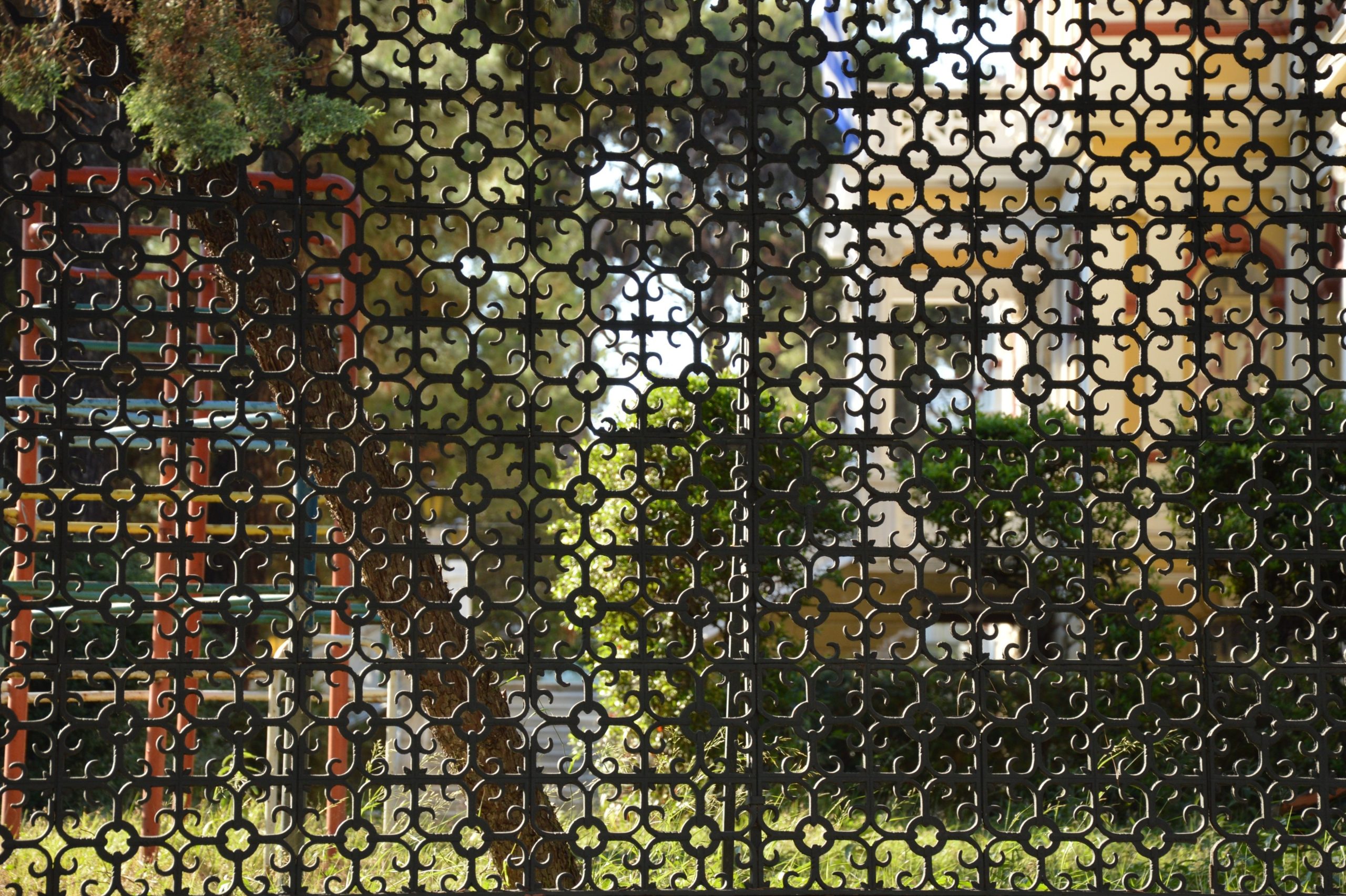
Wrought iron brings a high-end charm. Ultra-resistant, it requires anti-corrosion treatment (galvanization, powder coating) and maintenance spaced over time. The weight and precision of the welds often make installation more technical: allocate an appropriate labor budget.
3. Custom vs Standard: the comparison
Standard kits (wire mesh panels, small fences) are suitable for tight budgets and simple configurations. Customization makes perfect sense for complex terrains, architectural harmony with the house, fine privacy management, and the integration of a coordinated gate.
| Criterion | Standard | Custom |
|---|---|---|
| Adaptation to terrain | Limited | Excellent (slopes, angles, low walls) |
| Aesthetics | Acceptable | Highly customizable |
| Durability | Variable | Optimizable by choice of materials |
| Budget | More economical | Higher but sustainable |
| Lead times | Immediate availability | Design + manufacturing |
4. Price per meter and budget in 2025
Prices vary depending on the material, height, finish, and installation complexity. As an indication (excluding heavy masonry):
- Wood: ~50–150 €/m (maintenance to anticipate)
- PVC: ~60–120 €/m
- Rigid wire mesh: ~40–90 €/m (excluding privacy slats)
- Aluminum: ~120–300 €/m
- Wrought iron / steel: ~200–500 €/m (+ anti-corrosion treatment)
Add labor (post installation, sealing, adjustments), accessories (caps, covers, privacy slats), and any preparatory work (slab, low wall). For a premium finish, plan a realistic overall budget rather than skimping on the quality of sections and fasteners.
5. How to choose well (essential criteria)
Start by clarifying the main use: security (children, pets), privacy (screening), aesthetics (enhancement), or anti-intrusion. Then cross-reference these goals with:
- Style of the house and neighborhood (municipal/subdivision regulations)
- Exposure to wind (importance of rigidity, solid anchors)
- Available maintenance (wood vs “maintenance-free” materials)
- Budget and lead times (custom requires manufacturing)
- Gate/gate door coordination (visual coherence, automation)
Tip: on a windy site, favor openwork aluminum or rigid wire mesh with partially screening slats. Avoid tall solid panels that behave like sails.
6. Installation: key steps
- Layout: mark, check alignment, respect boundaries/parcels (markers).
- Foundations: drill/dig, seal the posts (concrete), check plumb.
- Panels/slats: install with expansion gaps, shims, stainless screws.
- Finishes: caps, covers, level adjustments, site cleaning.
7. Maintenance according to material
Wood: stain/paint every 2–4 years depending on exposure. Avoid direct ground/wood contact (rising damp).
PVC: soapy water, soft sponge. Check fastenings after strong winds.
Aluminum: almost maintenance-free; rinse with clear water and check screws once a year.
Wrought iron: anti-corrosion check (light sanding + touch-up paint if needed).
8. Local regulations, neighbors and boundaries
Before ordering, check the urban planning rules (PLU) and any development specifications: maximum height, permitted colors, prohibited materials, setback from the road… A glance at the cadastral map also prevents encroaching on your neighbor’s property. On private boundaries, the fence is generally installed on your land. For shared boundaries, discuss in advance to share costs and choose a style acceptable to everyone.
For peace of mind, anticipate privacy (privacy panels) without blocking light. If the neighbor’s house is very close, openwork solutions at top/bottom let light through while breaking sight lines. Finally, avoid garish colors or “wall” heights when a lighter option suffices: the visual coherence of a neighborhood also affects the perceived value of your property.
9. Screening, acoustics and wind load
Opaque slats for rigid mesh turn a simple panel into a privacy screen. The more solid the screening, the greater the wind load: reinforce posts and reduce their spacing if necessary. For comfort, a solid fence can also reflect noise (terraces, roads). A semi-openwork design breaks sound waves and softens the structure. Aluminum offers a good compromise: rigidity, customization and longevity.
10. Durability and eco-design
Think “long term” to limit premature replacements. The choice of sections (thickness, width of slats, sturdy posts) makes the difference at the first gust of wind. For eco-design, favor certified wood and recyclable materials (aluminum). For steel, hot-dip galvanizing + powder coating significantly extends lifespan. Finally, simple but regular maintenance prevents small damages from becoming costly repairs.
11. Common mistakes to avoid
- Undersizing posts on windy terrain: the fence warps or twists.
- Neglecting foundations: sealing too short, weak concrete, no drainage.
- Ignoring slope: a “straight” installation on sloping ground creates unsightly gaps.
- Inappropriate screws: stainless steel recommended outdoors, otherwise rapid corrosion at weak points.
- 100% screening everywhere: veil effect and turbulence, better to alternate.
12. Quotes, manufacturing and choosing a craftsman
Request at least two quotes: details of sections (posts, slats), type of anchoring, accessories, finishes, deadlines, guarantees. An on-site measurement reassures regarding contingencies (slope, anchors, underground networks). For installation, favor a professional who masters both layout (alignments, plumb) and light metalwork (clean welding, neat cuts). A local manufacturer/installer reduces after-sales delays and facilitates adjustments.


13. FAQ
Is a permit required to install a fence?
Fencing is generally unrestricted, but a local regulation (PLU, subdivision) may impose heights, materials, or colors. Check with your town hall before any work.
What height to preserve privacy?
About 1.80 m is common for an urban garden. On windy land, prefer openwork panels to limit wind resistance.
Can I mix materials (e.g., low wall + aluminum)?
Yes, it is even common to gain stability and style. Check the flatness and strength of the support before fixing.
What spacing between posts?
It depends on the system (rigid panels, aluminum slats, wood). Generally 1.5 to 2.5 m. Follow the manufacturer’s recommendations.
What solution for a very steep terrain?
Custom-made allows assembly in steps or following the slope. Aluminum and rigid mesh adapt well with suitable posts.
Image credits: Wikimedia Commons — see file pages for licenses (CC BY / CC BY‑SA). This guide does not replace local regulations or manufacturer instructions.