
A standard fence is the “ready-to-install” solution that ticks the boxes for security, budget, and simplicity. Wood, PVC, composite, wire mesh, or metal: each material serves a specific purpose. This 2025 guide scrutinizes the most common options, their strengths/weaknesses, realistic price ranges, and mistakes to avoid to get your installation right the first time.
Sommaire
1. Definition and common uses
We speak of a standard fence as soon as it is a prefabricated system sold in a kit (panels + posts + accessories) in common sizes and heights (often 1.20 m, 1.50 m, 1.80 m). Designed to be immediately available and easy to install, it is aimed at both DIYers and professionals for simple projects: marking out a plot, preventing animals/children from leaving, gaining some privacy, or securing an access point. Where custom-made answers a strong constraint (steep slope, special cuts, very specific style), the standard fence favors cost/practicality balance.
Manufacturers have significantly upgraded their offerings in recent years. Wood panels are better treated and better screwed, PVC has gained rigidity, composite has established itself for its durability, and aluminum has become popular for modern projects. You can also find welded wire mesh with rectangular mesh that is more rigid than simple twisted wire, ideal for a clean entry-level price. The result: the standard fence is no longer synonymous with “basic” but with a good quality/price ratio when the setup allows.
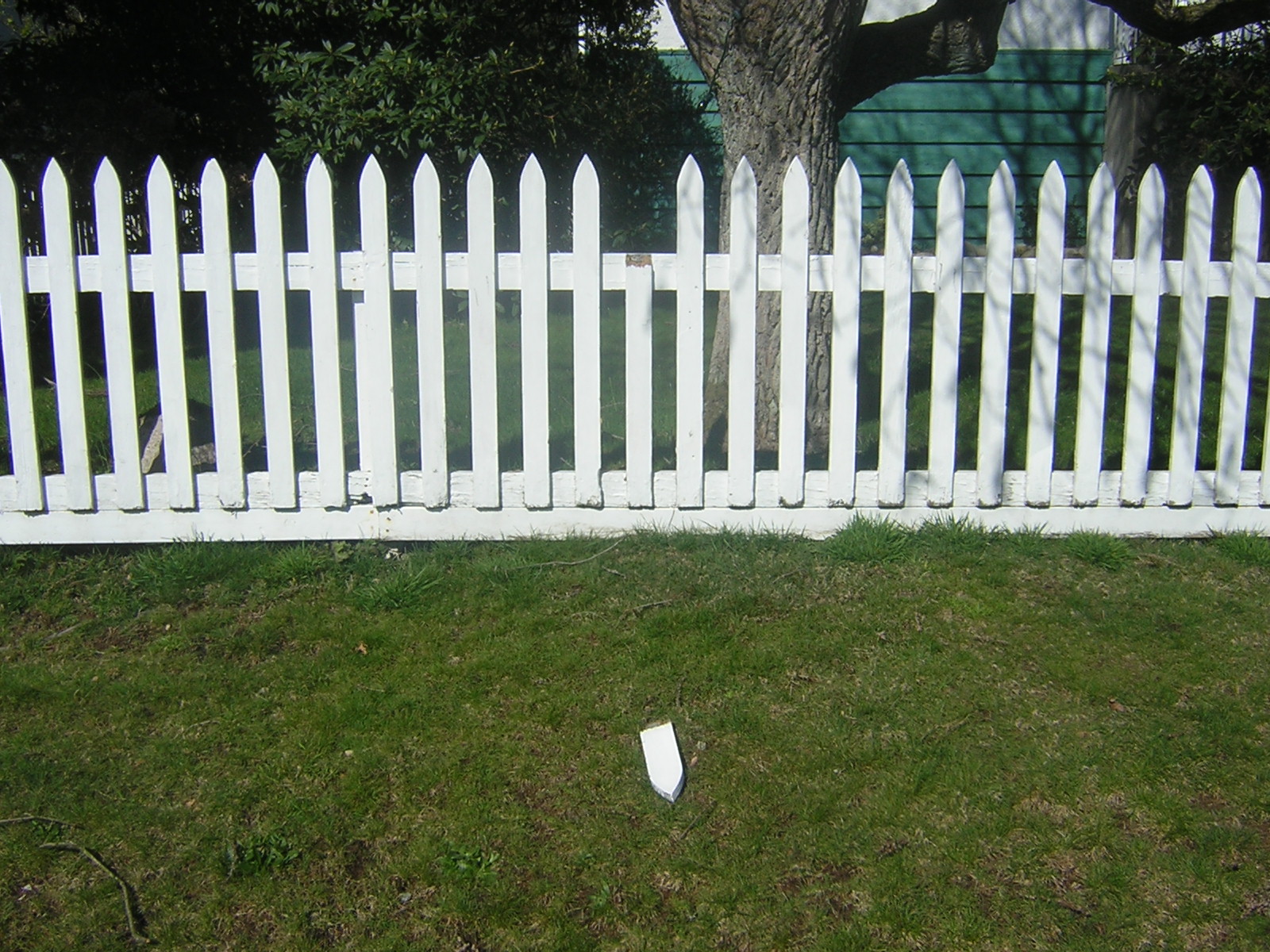
In the context of property resale or simple enhancement, the standard fence provides a real visual plus for a controlled cost. It also stands out for its availability: no manufacturing delays, allowing quick progress on a site. Finally, current systems are compatible with accessories (gates, caps, post covers, privacy panels) to finely adjust the look without switching to costly custom work.
2. The main types of standard fences
Wood: natural and customizable
Warm and easy to integrate into the landscape, wood (treated pine, fir, sometimes oak/locust) remains a classic. Panel or slat formats to assemble, vertical/horizontal styles, solid or openwork privacy. Strengths: aesthetics, customization (stains, caps, trims), easy repairability. Weaknesses: maintenance (stain/paint every 2–4 years depending on exposure), sensitivity to moisture and UV if maintenance is neglected.
PVC (vinyl): zero maintenance
PVC offers simplicity: no painting, sponge cleaning, stable colors if quality is good (UV-resistant). Solid panels protect well from view, openwork versions let light through. Its limits: sometimes “plastic” look, sensitivity to impacts on very low-end models, less rigidity than composite/aluminum at equivalent height.
Composite: durable and contemporary
A mix of wood fibers and resin, composite offers a wood look without the maintenance hassle. Very stable over time, it resists UV and moisture well. Budget-wise, it approaches a premium level. Requires careful installation (expansion gaps, stainless steel screws).
Simple twist / welded wire mesh: economical and versatile
The most economical solution, ideal for long stretches and simple terrains. The simple twist follows curves and slopes, the welded wire mesh provides rigidity and a cleaner look, especially with privacy slats or artificial hedges for privacy.
Metal (aluminum/steel/wrought iron): design and security
Aluminum does not rust, requires very little maintenance, and offers modern styles. Galvanized steel is ultra-resistant but requires surface protection. Wrought iron remains the classic charm solution, more expensive and heavy to install.
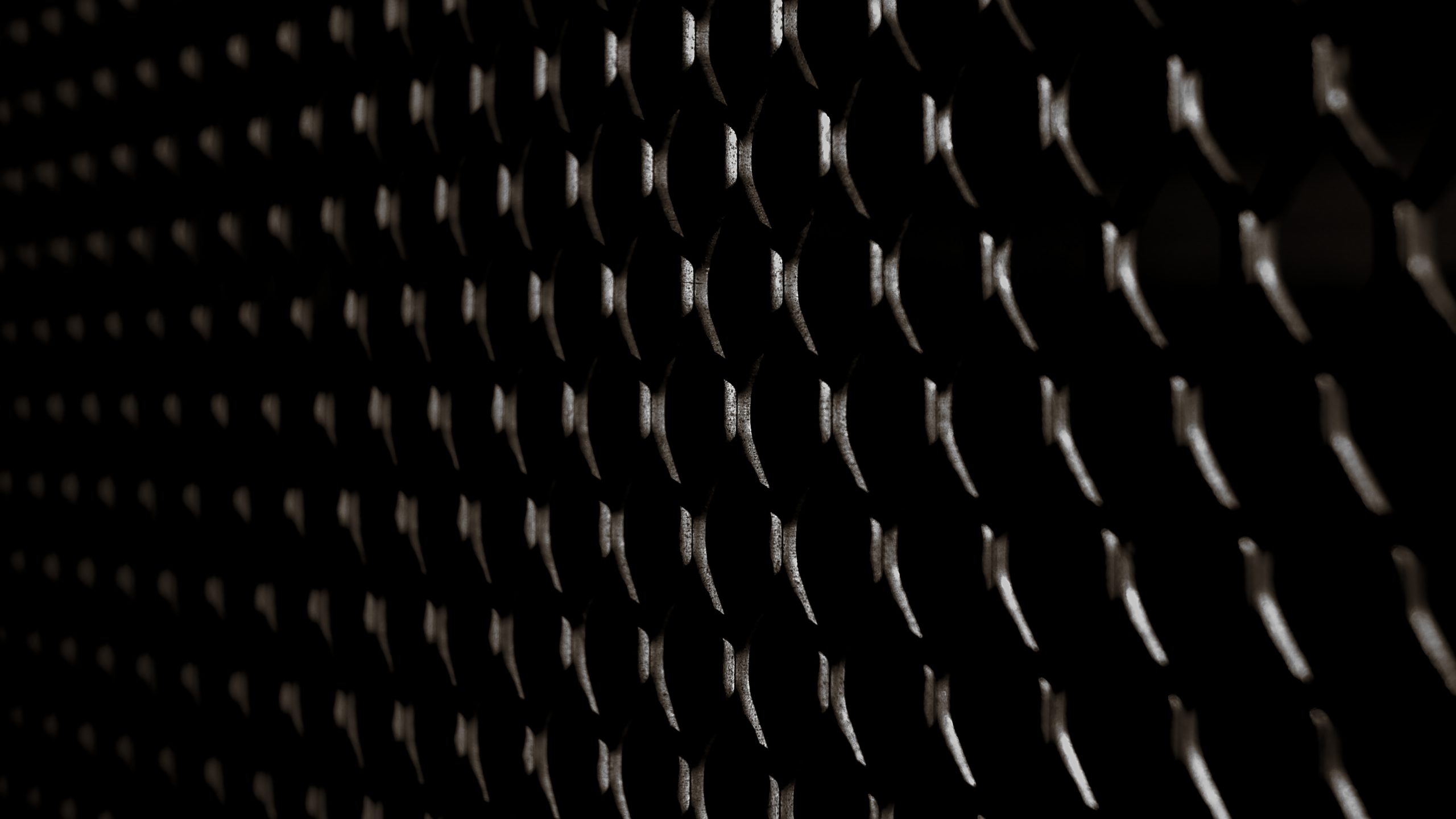
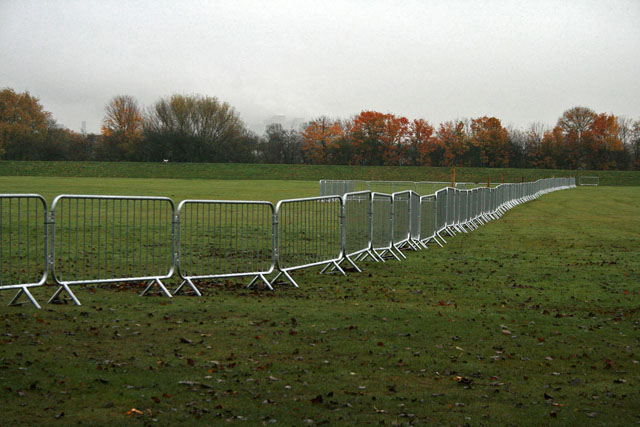
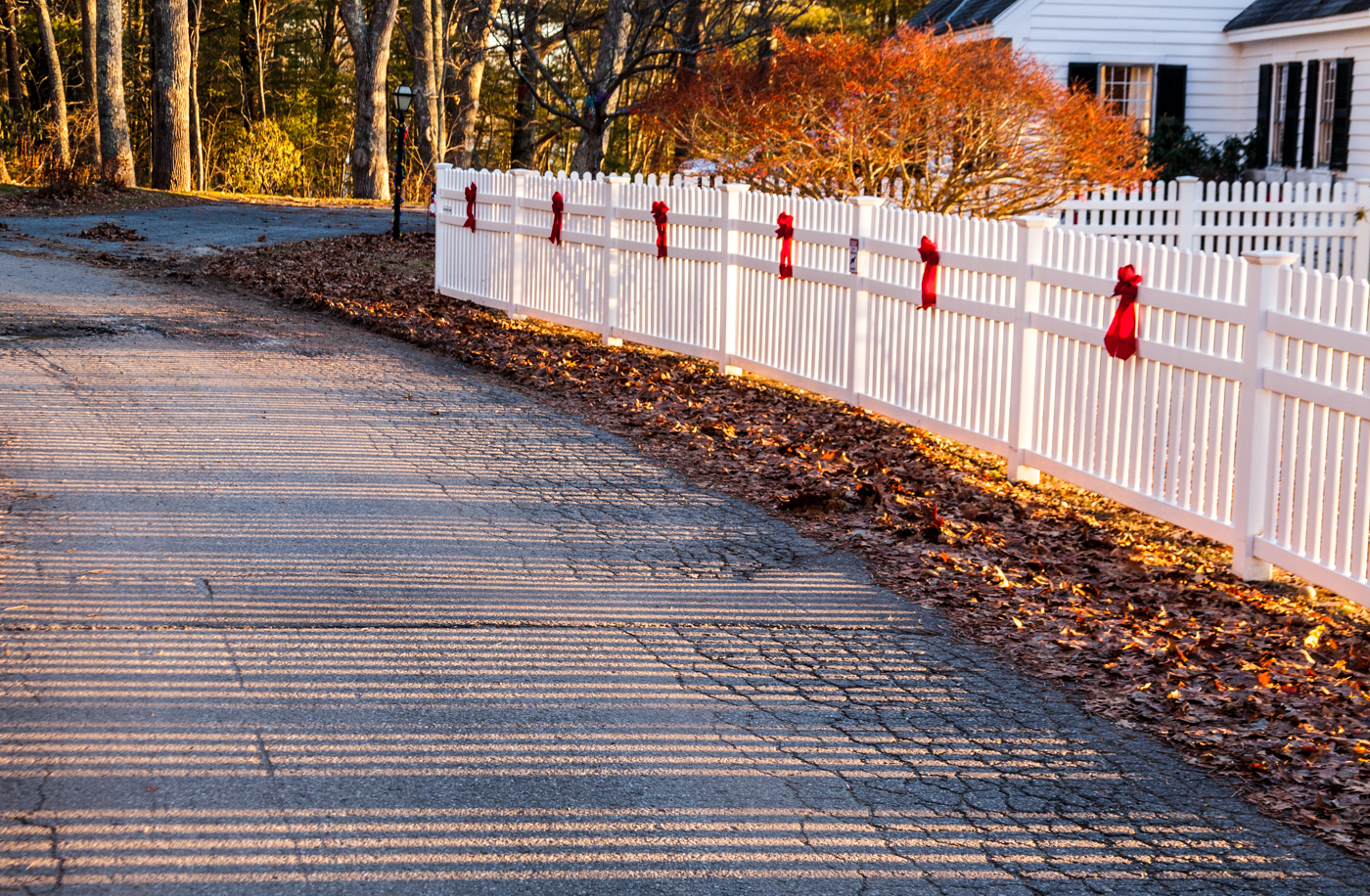
Note: some manufacturers offer mixed kits (low wall + aluminum panels, wire mesh + privacy slats) that combine stability, aesthetics, and budget. These hybrid solutions are particularly relevant in windy areas, where solid panels must be carefully sized to avoid the sail effect.
3. Comparison of advantages / disadvantages
| Material | Advantages | Disadvantages |
|---|---|---|
| Wood | Natural, customizable, repairable. | Regular maintenance, possible aging. |
| PVC | No maintenance, easy cleaning. | Plastic look, less rigidity on low-end models. |
| Composite | Very durable, high-end finish. | High cost, demanding installation. |
| Wire mesh | Economical, quick to install. | Little privacy (without slats). |
| Aluminum/Steel | Solid, modern, low maintenance (aluminum). | Higher price, rust protection to monitor (steel). |
The right choice depends on your main goal: price (wire mesh), zero maintenance (PVC/aluminum), natural aesthetics (wood), premium durability (composite), security/design (metal). If you want a budget/privacy compromise, consider welded wire mesh + slats (adjustable privacy, lightweight structure).
4. How to choose? (essential criteria)
Start by defining your main use. For privacy, aim for solid panels in wood/PVC/composite, height 1.80 m (according to local planning regulations). For security and simple boundary marking, wire mesh is often sufficient and quick to install. In windy areas, avoid completely solid surfaces and prefer openwork (openwork aluminum, wire mesh + partial privacy) with reinforced posts and deep footings. Regarding maintenance, ask yourself if you want to paint/stain every 2–4 years: if not, PVC/aluminum/composite are the way to go.
Don’t forget the local rules (PLU, subdivisions) which may impose a height, a shade, or prohibit certain materials. Also check the party wall and property boundaries (boundary marking) before installing. Finally, think “system” rather than isolated product: gate/gate door consistency, accessories (caps, covers), stainless steel screws, and internal mesh on your site: link this page to /clotures-sur-mesure/ to cover special cases.
Another often forgotten criterion: the neighborhood. Discussing in advance helps avoid disputes, share some costs (party walls), and harmonize materials. A simple agreement on shade and height can transform a “functional” project into a coherent and enhancing ensemble for the whole neighborhood.
Regarding maintenance, project yourself 3–5 years ahead: are you ready to brush and stain a wooden panel every spring? If the answer is no, PVC, composite, or aluminum are the way to go. For wood lovers, favor durable species and an assembly that avoids direct ground/wood contact.
5. Average prices in 2025
- Simple twist wire mesh: ~15–30 €/m (excluding posts).
- Welded mesh + slats: ~40–90 €/m (depending on screening).
- Wood: ~40–100 €/m (species & finish).
- PVC: ~80–180 €/m.
- Composite: ~120–250 €/m.
- Aluminum/Steel: ~150–400 €/m.
Add labor (post installation, setting, cutting), accessories (caps, post covers, plates) and, if needed, preparation (slab, low wall). For an exposed garden, oversize the post sections and the setting depth: durability often depends on this.
Budget examples (approximate for 20 m of fence): simple welded mesh ≈ €1,200–1,800, screening wood ≈ €1,800–3,000, solid PVC ≈ €2,800–4,800, composite ≈ €3,800–6,000, aluminum ≈ €4,500–8,000. The installation can represent 30–50% of the total depending on site access, soil type, and setting.
6. Installation: simple method
First lay out the line (string line, levels), mark the post locations, then dig or drill to set. On a sloping site, two options: stepped installation (landings) or slope following with adapted panels. Check the plumb of each post when setting (measured concrete), let it set, then install panels/slats respecting expansion gaps. Use stainless steel screws and shims for perfect alignment. Finish with finishes (caps, covers, plugs) and cleaning.
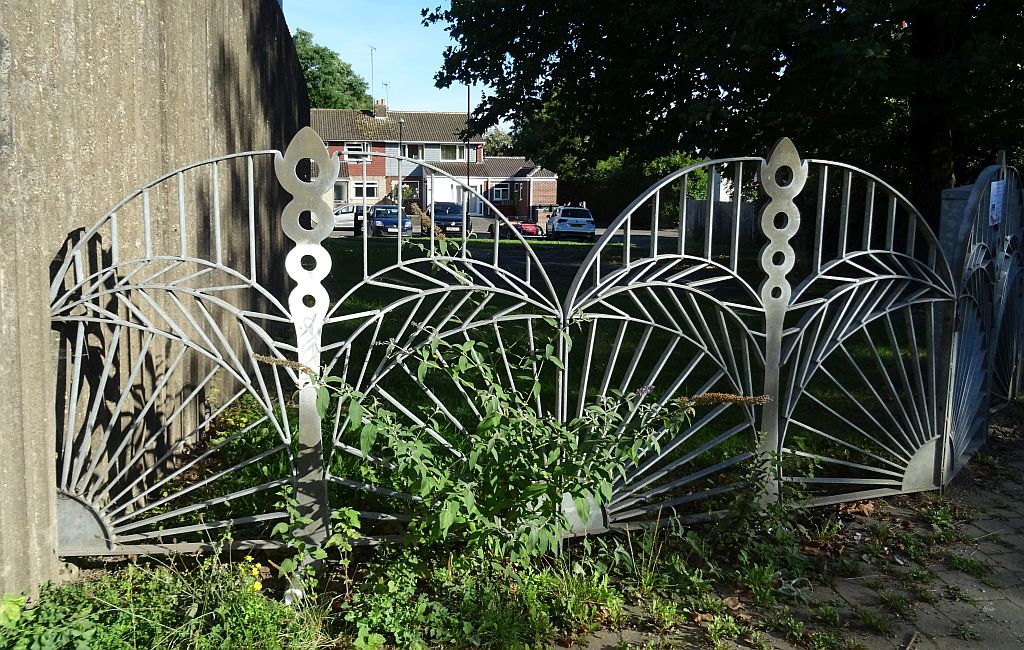
Detailed steps: 1) Identification and boundary marking if in doubt (cadastre/surveyor). 2) String line tracing, slope checks. 3) Drilling/digging (depth adapted to frost and wind). 4) Setting posts with measured concrete (respect setting time). 5) Installing panels with expansion gaps (PVC/composite). 6) Finishes (caps, covers), final alignment check, cleaning. A maintenance check at 6–12 months (tightening, touch-ups) significantly extends lifespan.
7. Common mistakes to avoid
- Undersized posts on windy terrain: buckling/twisting guaranteed.
- Too short anchorings or too weak concrete: instability at the first storm.
- No expansion gap on composite/PVC: summer deformations.
- 100% screening without reinforcements: sail effect, excessive stress on the fixings.
- Ignoring the local urban plan (PLU) and boundaries: costly rework, neighborhood conflicts.
8. FAQ
What height should be chosen for a standard fence?
Between 1.50 and 1.80 m for a family garden. On the front or in windy areas, keep a reasonable height and favor openwork versions to limit wind resistance.
Is authorization required to install a fence?
The fence is generally free, but some municipalities require a prior declaration or impose rules (height, color, materials). Check with the town hall before any purchase.
Which material ages best without maintenance?
Aluminum and composite have the best durability over time, followed by PVC. Wood remains beautiful if you accept regular maintenance.
Can materials be mixed (low wall + panels)?
Yes, frequently. A concrete low wall + aluminum offers a modern look and limits moisture rising into the wood. Check flatness and anchoring before fixing.
What distance between posts for standard panels?
It depends on the manufacturer (often 1.80 to 2.00 m). Strictly follow the instructions: too wide a spacing weakens the whole and complicates finishing.
Can a standard fence be installed on an existing low wall?
Yes, with adapted base plates and appropriately sized fixings. Check the condition of the low wall (flatness, cracks) and use suitable plugs/chemical anchors.
Photo credits: Wikimedia Commons (CC BY / CC BY-SA). This guide does not replace local regulations or manufacturer instructions.