
Sommaire
| Key Points | Details to Remember |
|---|---|
| 🍊 | Identify the ugli as a hybrid citrus, rough skin and juicy flesh |
| 🌸 | Differentiate the ume (Prunus mume) from a plum, tart flavor ideal for preparations |
| 🌿 | Plant the ugni in temperate climates and protect from light frost |
| 🐛 | Control pests (gnats, aphids) through prevention and good practices |
| 🧺 | Harvest at the right stage: texture, smell and color guide the harvest |
| 🍽️ | Use in jam, fermentations (umeboshi), or fresh cooking |
Fruits whose names start with “U” form a surprising group: some come from tropical orchards, others from temperate hedgerows, and all share a rarity that intrigues. Between the ugli — this citrus with an improbable look — and the ume, precious in Japanese cuisine, there is a botanical and cultural diversity to discover. This guide aims to identify each species, anticipate its cultivation requirements, and refine the harvest to obtain the best aromas. We will also discuss pitfalls: common diseases, storage, and small recipes to enhance these unusual fruits.
Which fruits are grouped under the label “fruits starting with U”?
The alphabetical pretext gives way to curiosity: here are three representatives worth exploring. The ugli (Citrus x tangelo) is a Jamaican hybrid with a rough texture, thick skin and complex citrus scent; the ume (Prunus mume) is often called Japanese apricot or Japanese plum, used fermented, in syrup or as a condiment; the ugni (Ugni molinae), a small Chilean berry also called “Chilean guava,” brings a sweet and aromatic note, ideal for jams and liqueurs. Alongside, the uchuva (physalis peruviana), sometimes called goldenberry, completes this palette with its papery husk and refreshing acidity.
Quick Characteristics
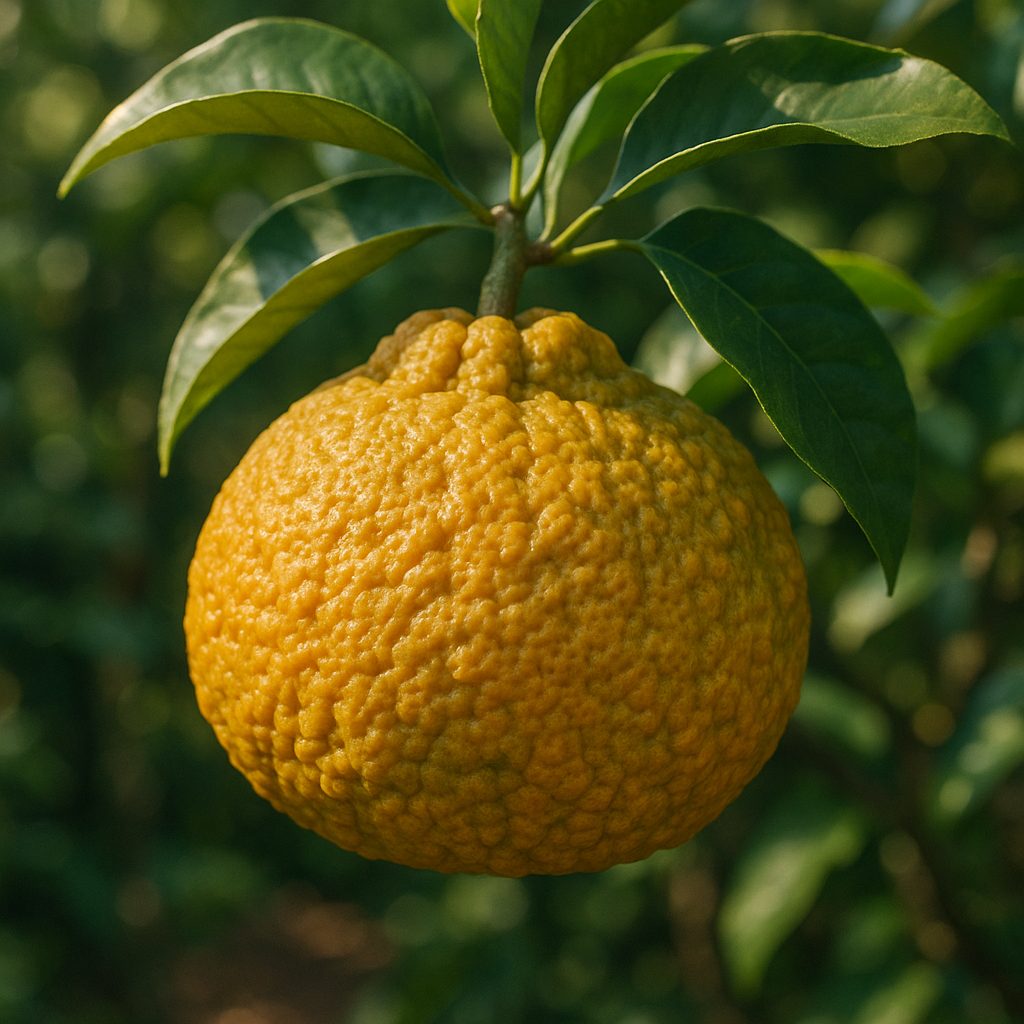
- Ugli: large fruit, segmented flesh, flavor blending grapefruit and mandarin.
- Ume: firm fruit, very tart raw, suspected of richness in organic acids, transformed into umeboshi.
- Ugni: small, sweet berry, resistant to poor soils but sensitive to frost.
- Uchuva (physalis): protective husks, sweet-tart taste, excellent in jam.
Recognize each species: unmistakable signs
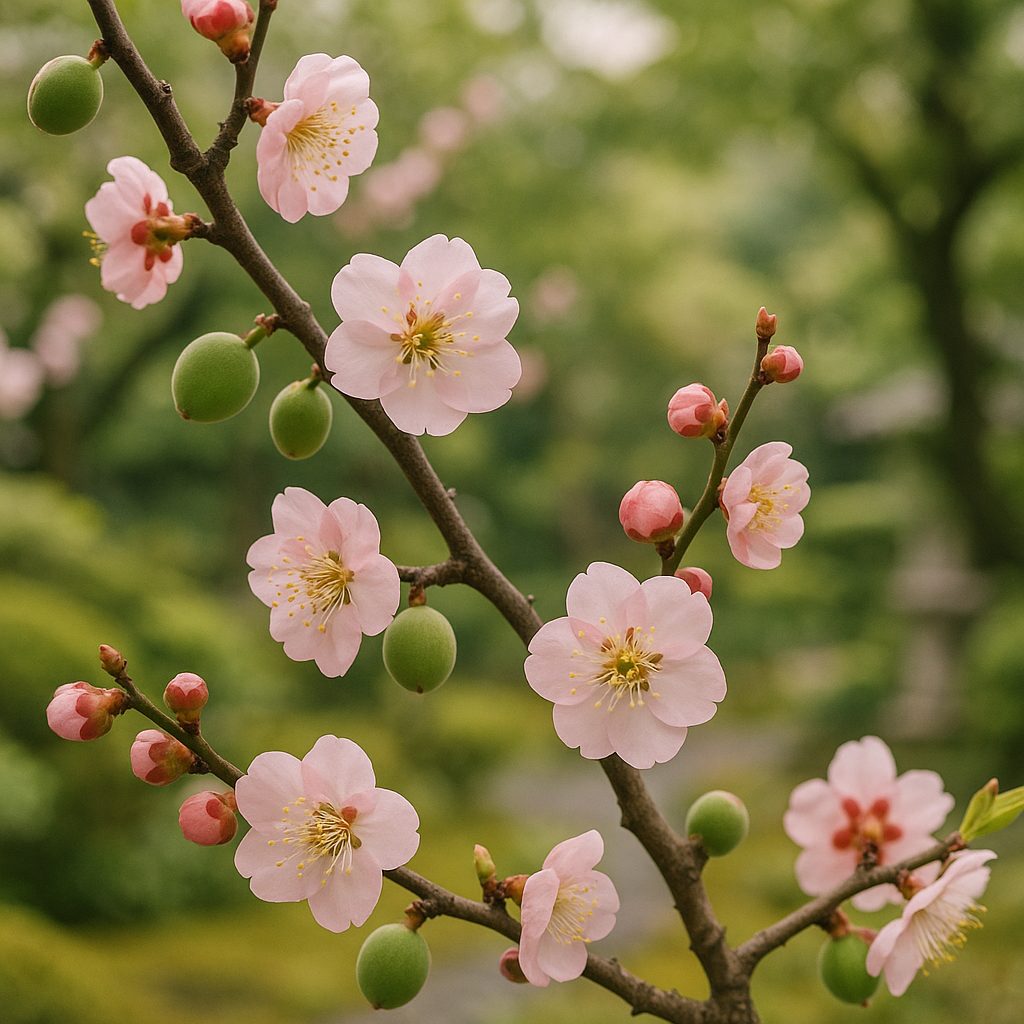
Learning to recognize these fruits helps in choosing the right rootstock, the right climate, and the best culinary use. The ugli stands out by its bumpy skin and intense aroma: press a leaf or rub the skin, and the citrus scent appears immediately. The ume, more discreet, is spotted in spring thanks to its pink or white flowers and its compact plum tree shape; the fruit ripens in summer but is often used before full maturation for preparations. The ugni is stocky, evergreen, and its fruits are tiny but very aromatic.
Quick comparison
| Fruit | Climate | Flavor | Common use |
|---|---|---|---|
| Ugli | Subtropical, sensitive to frost | Tart-sweet citrus, slightly bitter | Fresh consumption, juice, jam |
| Ume | Temperate, tolerates mild winters | Very tart raw, floral aroma after processing | Umeboshi, syrups, condiments |
| Ugni | Maritime temperate | Sweet, fragrant | Jams, liqueurs |
How to cultivate: from soil to pruning
Cultivation varies by species, but some general rules apply: well-drained soil, sunny exposure, and frost vigilance. The ugli prefers a loose substrate rich in organic matter and a protected south-facing exposure; mulching limits moisture variations. The ume likes deep, cool soils, can tolerate higher humidity but fears root suffocation. The ugni accepts poor soils and resists relative drought well, making it an interesting option for temperate exotic gardens.
Sowing, grafting, and propagation
- Ugli: propagation by grafting onto a rootstock resistant to light cold; sowing possible but false to preserve the type.
- Ume: propagation by grafting or layering; bud grafts work well in spring.
- Ugni: sowing or semi-woody cuttings in spring; rapid rooting in moderately humid environment.
Watering and fertilization
Regular watering in spring promotes flowering and fruit filling, but excess in summer risks diluting the taste. For ugli, light fertilization after harvest with a potassium-rich fertilizer helps the next fruiting. Ume appreciates a supply of compost rich in humus to support the production of processable fruits. Ugni, more frugal, requires little fertilizer but appreciates an annual organic input.
Diseases and pests: markers and practical actions
Attacks vary by region: scale insects and aphids on citrus, brown rot on plum trees, and fruit flies on small berries. Effective management combines observation, prevention, and targeted actions. For example, installing insect nets prevents the laying of some flies; promoting biodiversity (helpers like ladybugs) limits aphid outbreaks. For recurring problems such as fruit flies, solutions revolve around hygiene (quick harvesting, removing fallen fruits), traps, and biological remedies — the idea is to weaken their breeding conditions rather than eradicate by chemical means.
Simple and sustainable prevention
- Pick up fallen fruits and controlled composting.
- Prune to aerate the canopy and reduce stagnant humidity.
- Install sticky bands or nesting boxes for beneficial insects.
Harvesting and storage: when and how
Maturity is judged differently depending on the fruit. Ugli is harvested when the skin loses its extreme roughness and the flesh yields slightly under pressure; it keeps well for a few weeks in the refrigerator. Ume, often harvested immature for processing, requires strict sorting: remove damaged fruits before fermentation. Ugni is picked at full color because it does not ripen much after picking. For storage, the rule is freshness first: healthy fruits, airy packaging, and for excess, freezing (cut) or processing (jams, syrups, umeboshi for ume) extend usage.
Culinary ideas and preservation
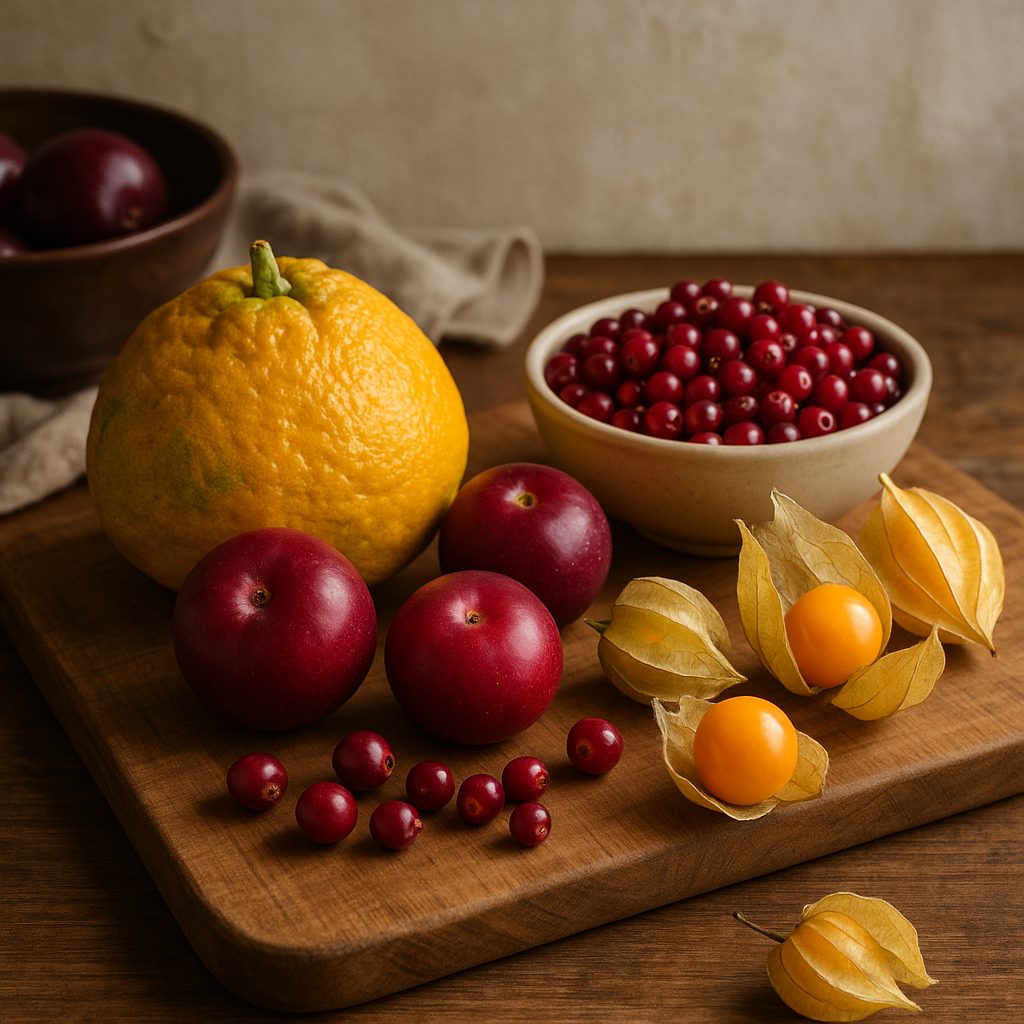
These fruits break new ground in cooking. Juicy and fragrant, ugli becomes a revitalizing juice or a jam with controlled bitterness; combined with warm spices, it plays the role of a deep citrus. Ume lends itself to fermentations (umeboshi): salting then drying concentrates the acidity into a powerful condiment. Ugni shines in clear jelly and macerations for spirits. Uchuva, with its husk, is perfect in tartlets or coulis to balance sugar with its acidity.
- Ugli juice + ginger: detox and digestive drink.
- Express umeboshi: salted, pressed, and dried fruits for a salty-acid condiment.
- Ugni jam: short cooking to preserve aromas.
- Sauces and dressings: advised against adding much sugar if the fruit is already aromatic.
FAQ — Frequently Asked Questions
Can you grow an ugli in a pot on a balcony?
Yes, provided you use a large pot (≥ 40 liters), a well-draining substrate, and overwinter the tree protected from frost. Root pruning and regular fertilizer applications compensate for limited space.
Is ume edible raw?
Raw, ume is very tart and astringent; it is rarely used as is. Processing (sugar, salt, fermentation) reveals more complex and digestible flavors.
How to know if an ugni harvest is ripe?
Look for a uniform color and a sweet fragrance; the berry should yield slightly under finger pressure. The sweet flavor is confirmed by a small taste test.
What is the best time to plant these trees or shrubs?
Plant in spring for ugni and ume; for ugli, favor spring after the last frosts and choose a sheltered location.
Practical resources and checklist for the first year
- Choose the right rootstock and check local hardiness.
- Prepare a soil rich in humus and well-drained.
- Plan mulching and regular watering during the first year.
- Monitor flowering and perform light pruning after fruiting.
These few steps are often enough to turn a trial into lasting success. The essential: observe, note each season, and adapt. The “U” fruits require curiosity and patience but offer in return uncommon flavors and culinary possibilities that surprise.
{
“@context”: “https://schema.org”,
“@type”: “WebPage”,
“about”: {
“@type”: “Thing”,
“name”: “Fruits in U: ugli, ume, ugni and others”
},
“keywords”: [“ugli”, “ume”, “ugni”, “fruits in U”, “harvest”]
}