
Sommaire
| Key Points | Details to Remember |
|---|---|
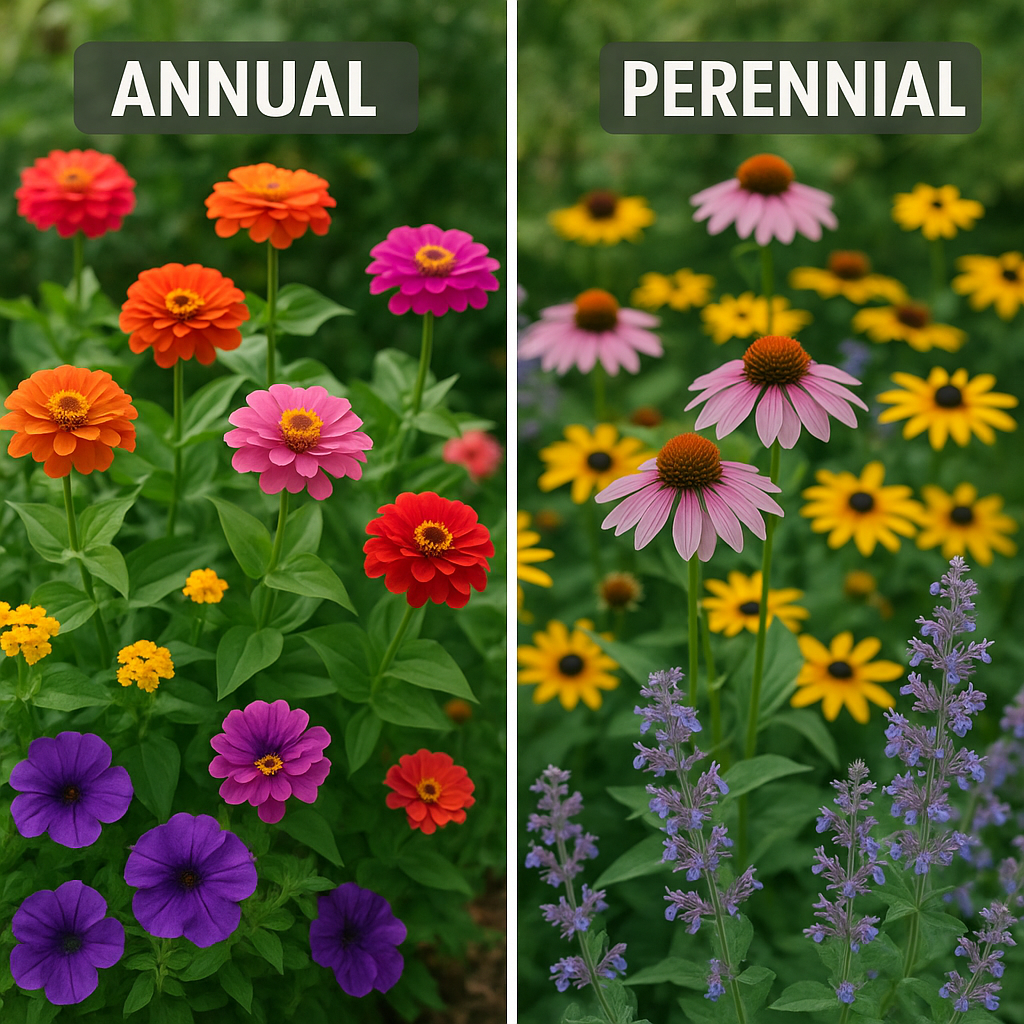
| 🌱 Definition | Annual: complete cycle in one season – Perennial: returns for several years. |
| 🌓 Life Cycle | Annual: sow in spring, bloom in summer. |
| ⏱️ Bloom Duration | Annual: intense but short – Perennial: more moderate, repeated. |
| 🛠️ Maintenance | Annual: regular watering, sow each year. |
| 💰 Initial Cost | Annual: low, affordable seeds. |
| 🍴 Examples | Annual: impatiens, petunia – Perennial: hardy geraniums, daylilies. |
To welcome a blooming summer without settling for just a passing favorite, it’s better to understand what differentiates annual plants from perennials. One offers an explosion of colors before giving way to the next year’s sowing, the other settles in to last and returns every spring. Yet, the choice is not limited to this simple opposition: it touches on budget, available time, and the desired aesthetic. This article decodes these two categories, compares maintenance, costs, and offers ideas for a balanced garden, capable of combining dynamism and durability.
Life Cycle and Fundamental Characteristics
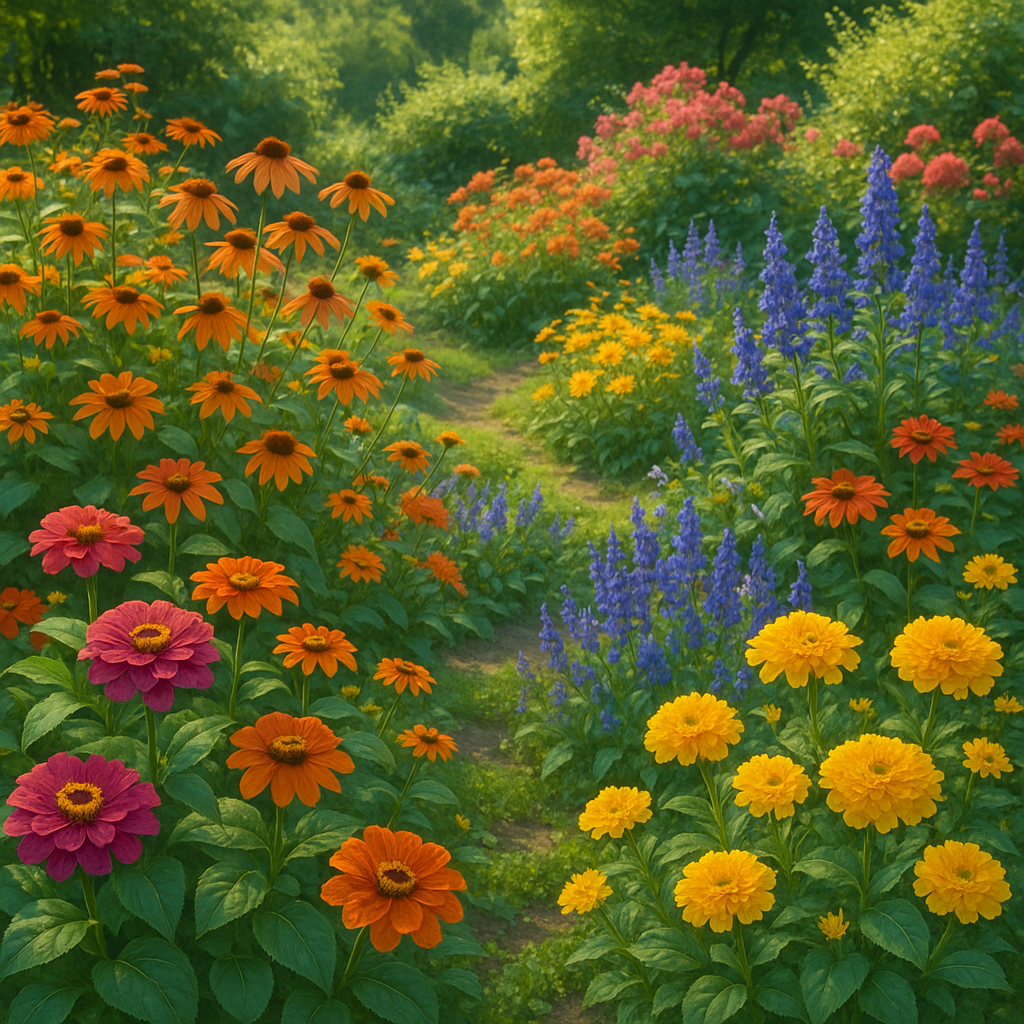
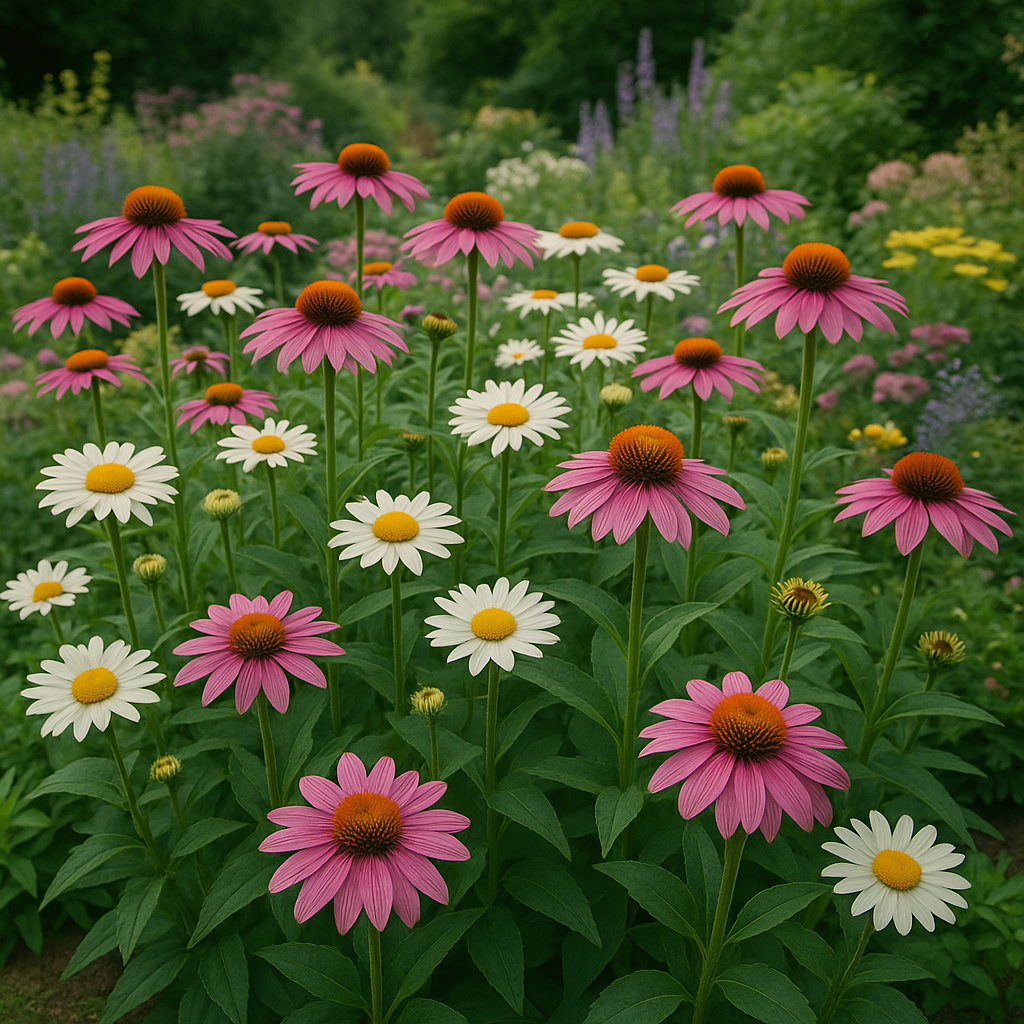
An annual plant runs the marathon of a single spring through autumn. After germinating, it focuses its efforts on sometimes spectacular blooming, then disappears without leaving bulbs or durable underground structures. Conversely, the perennial relies on patience: a growth period starts in spring and spreads over time, before the plant partially buries itself in winter to reappear when temperatures rise.
The Advantages of Rapid Blooming
Annual flowers charm by their ability to transform a space in a few weeks. They:
- often display bright and varied colors;
- multiply easily from inexpensive seeds;
- are suitable for gardeners who like to renew the decor each season.
A Gradual Establishment for Perennials
Perennials sometimes take two years to reach their full potential but make up for this wait by:
- a solid root structure that improves soil health;
- blooming that returns without additional sowing;
- a range of interesting foliage even outside the blooming period.
Maintenance and Specific Needs
Watering and Pruning Annuals
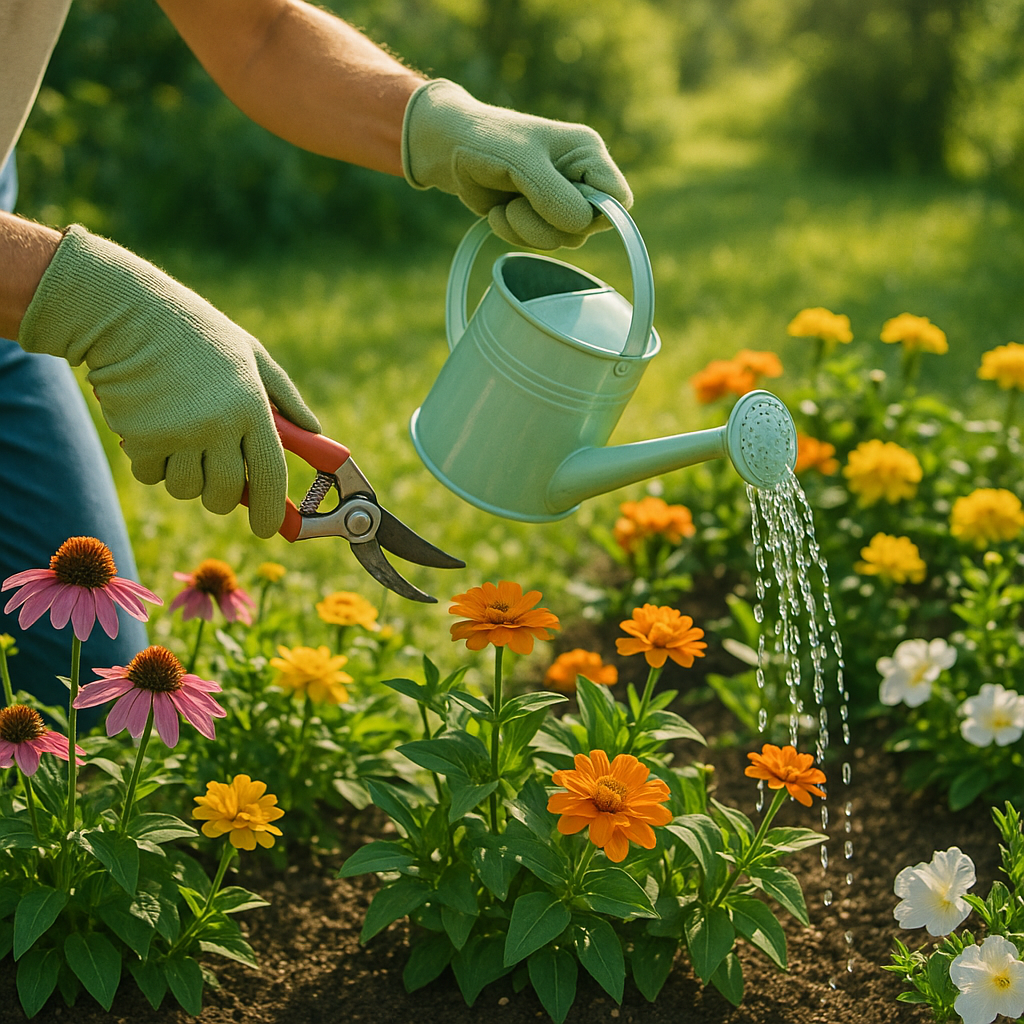
Annuals quickly develop their foliage, hence regular watering is needed as soon as the soil surface dries out. It is recommended to:
- water early in the morning to limit evaporation;
- remove faded flowers to prolong blooming;
- lightly fertilize every 3 to 4 weeks.
Soil and Division for Perennials
Most perennials appreciate well-drained substrate and annual fertilization in spring. Maintenance also includes:
- removal of dead parts at the beginning of spring;
- division of clumps every 3 to 4 years to maintain vigor and density;
- winter mulching to protect roots.
Advantages and Disadvantages Face to Face
| Criterion | Annual | Perennial |
|---|---|---|
| Renewal | Every year, varied choice | Durable, fewer sowings |
| Cost over 3 years | Moderate but recurring cost | Higher initial investment |
| Blooming Time | Short and intense | Less spectacular but repeated |
| Adaptation | Quickly adapts to trends | Integrates into a lasting design |
Factors to Guide Your Choice
Several elements influence the decision:
- Availability of time: if you are often absent, perennials reduce interventions.
- Budget: annual sowing remains cheaper short-term, but the bill increases over time.
- Aesthetic: annuals offer an ephemeral palette, perennials a garden that evolves slowly.
- Variety: mixing both categories allows balancing intensity and stability.
FAQ
Can annuals be sown near perennials without competition?
Yes, provided some distance is kept so that established perennials are not smothered. Gregarious annuals can be planted in beds in front of taller perennials.
How to prolong the blooming of a perennial?
Pruning faded flowers and adding light compost at the beginning of summer often stimulates a second wave of blooming.
What is the best period to install annuals?
Young plants are generally planted after the last frosts, as soon as the soil warms up (mid-May to early June depending on the region).
Are perennials suitable for small gardens?
Absolutely. Some compact perennials, like bellflower or sedum, thrive in small spaces and offer lasting blooms.
Should all perennials be replaced after a few years?
No, only one-third to half of the bed deserves to be divided or renewed every 3 to 5 years to keep a vigorous habit.