
📅 Published : 2025-10-13| 🔄 Updated : 2025-11-03
Sommaire
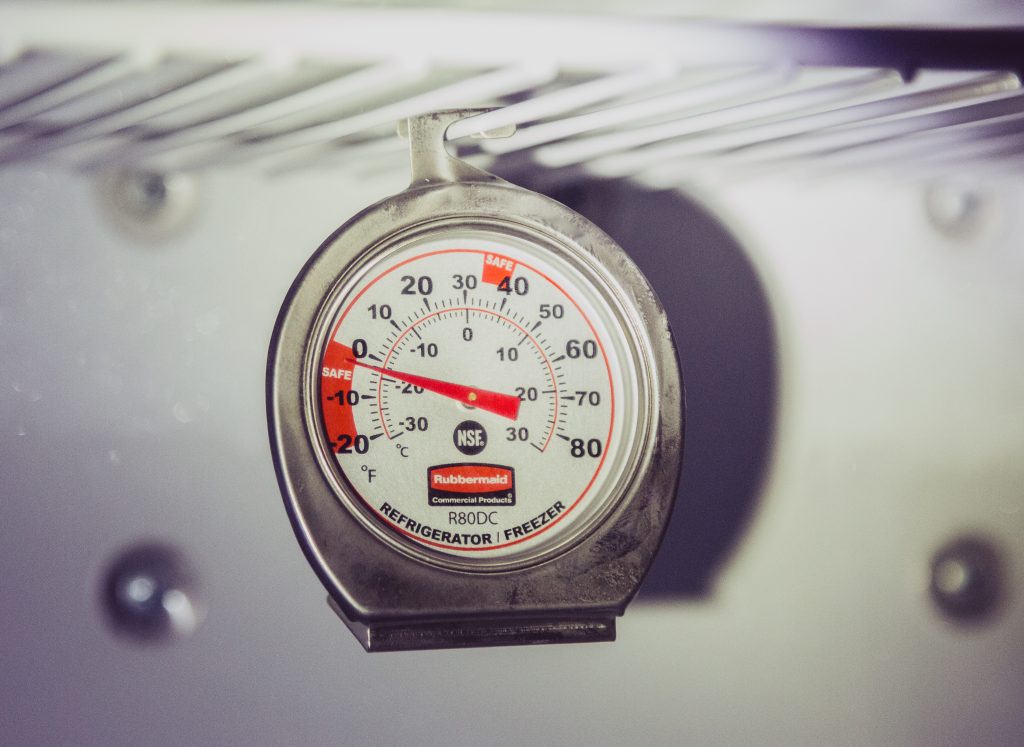
Aim for -18 °C (0 °F). Below that, microbes are inactive and quality is better preserved. Measure with a dedicated thermometer or a probe / connected sensor and set an alarm at -16 °C (automatic return below -18 °C).
Memo : -18 °C = safe freezing | 4–60 °C = microbial danger zone | ≥63 °C = cooked through.
Our verdict ⭐
| Pros | Cons |
|---|---|
| Universal reference (-18 °C), simple measurement methods, accessible connected sensors, reduces waste. | Frequent variations near the door, misleading dial readings 1–5, higher energy use if set too cold. |
Rating: 8.5/10 | Recommended for: families, roommates, batch cooking.
Why -18 °C is the right temperature
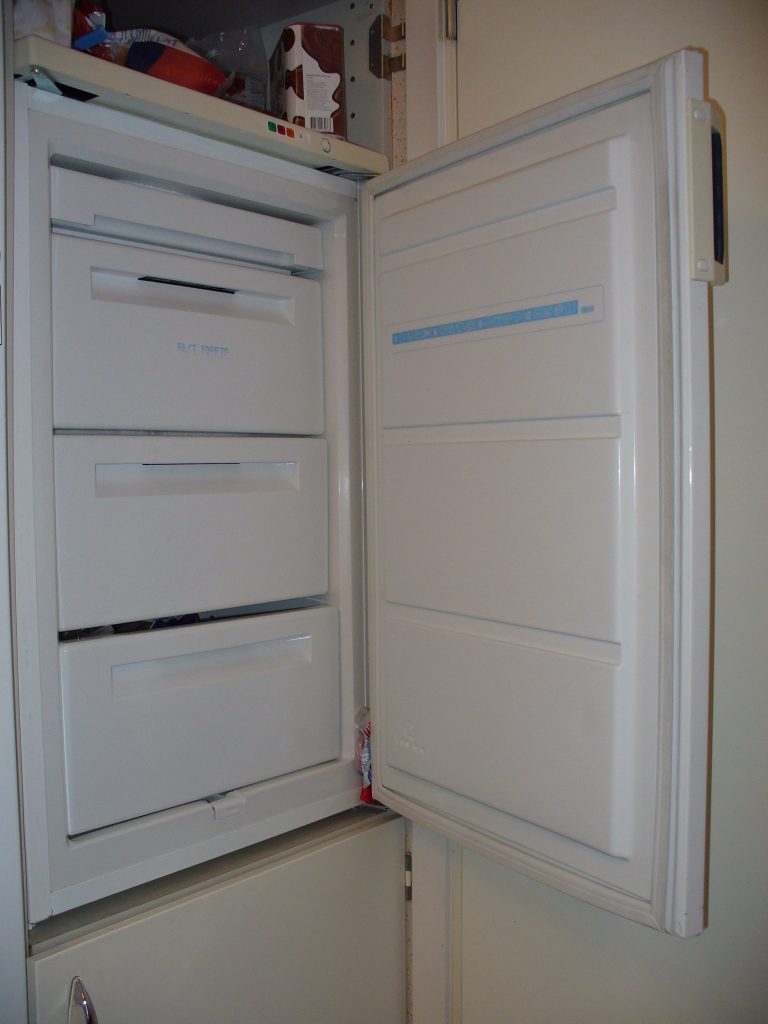
At 0 °F (−18 °C), microbial growth is stopped and foods remain safe for longer. Higher temperatures (-10 °C, -8 °C) favor thaw/refreeze cycles that damage texture and flavor. The stepped dial setting (“1–5”) does not indicate a temperature: check with a measuring instrument.
How to measure and monitor accurately
1) Passive thermometer (simple and effective)
- Place it in the center, between two items (not touching the walls).
- Wait 8–12 h for a stable reading; note the position of the selector that corresponds to -18 °C.
- Take another reading near the door and at the back (map the variations).
2) Probe / connected sensor (alerts + history)
- BLE (Bluetooth): long battery life, readings in the app, local alerts.
- Wi‑Fi: remote alerts (push/email), graph of thermal spikes.
- Set the high alarm to -16 °C (and low to -22 °C) with hysteresis to avoid spam.
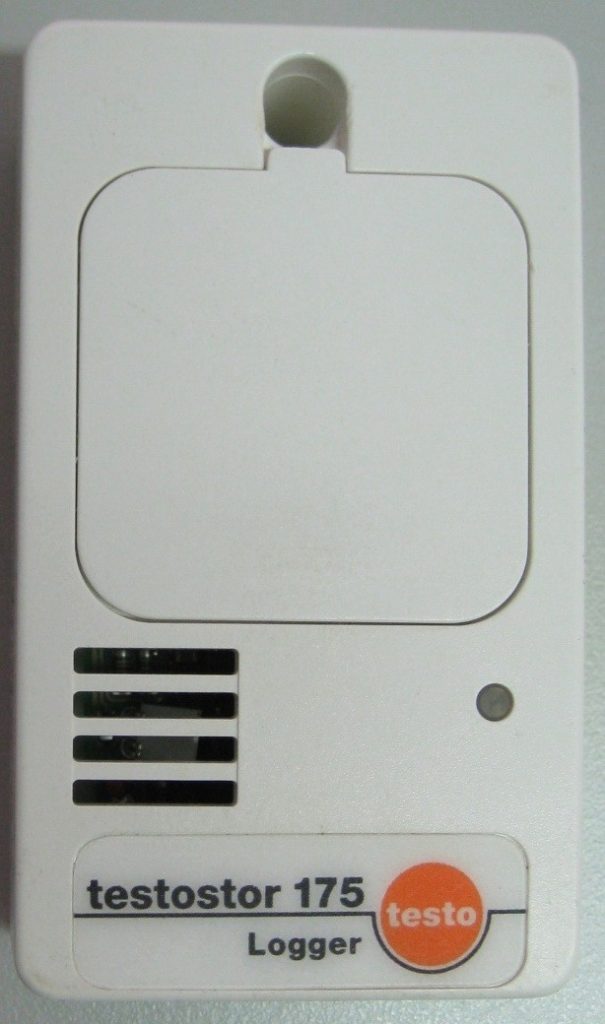
3) Data logger (traceability)
A temperature recorder (data logger) stores timestamped readings. Useful for understanding variations (defrost cycles, repeated openings) and optimizing organization.
Settings, organization and actions that make a difference
- Aim for -18 °C, alarm at -16 °C. Defrost if ice > 5 mm (insulation decreases).
- Fill (without packing) to stabilize the cold mass; allow the air to circulate.
- Check the seals (paper test) and the room’s climate class.
- Store sensitive products (meats, ice cream) away from the door; avoid prolonged openings.
| Situation | Action | Objective |
|---|---|---|
| Frequent spikes at −12/−14 °C | Check seals, reduce openings, move probes | Return to a stable -18 °C |
| Door vs back differences | Redistribute loads, avoid storing at the front | Limit thawing/refreezing |
| Soft ice in the evening | Lower one notch, check the next day | Stabilize below -18 °C |
Methodology
Recommendations based on safety standards (0 °F/-18 °C), good domestic practices, and observation of deviations according to location (door/back) and use (openings, loading). The proposed alarm thresholds (-16 / -22 °C) introduce a practical margin and avoid false alerts caused by defrost cycles.
What we liked ✅ / didn’t like ⚠️
✅ Liked
- Clear reference points: -18 °C, danger zone 4–60 °C, cooking ≥63 °C
- Connected sensors for alerts and history
- Simple action table easy to apply
⚠️ Liked less
- Frequent deviations on underfilled freezers
- Some appliances display levels (1–5) poorly correlated with °C
- Too cold <= -22 °C: not dangerous but more energy-consuming
FAQ
My freezer doesn’t display °C. How can I be sure it’s at -18 °C?
Use a freezer thermometer in the center (reading after 8–12 h). Note the position of the selector that corresponds to -18 °C. Ideally: add an alarm probe.
Is lowering to -22 °C better?
Not necessary for safety. -18 °C is sufficient; colder stabilizes quality a little better but increases consumption.
Where to place the probe?
At the center, between two items, away from the wall. Wi‑Fi units remain out of the cold with a remote probe.
Further reading
- Alarm thermometer & connected sensors
- Thaw meat safely
- Avoid cross-contamination
- Anti-waste: transform leftovers
- Freezer left ajar 12h: what to keep, throw away or save
Sources & official references
- ANSES — Refrigerator ≤ 4 °C
- USDA/FSIS — Danger zone 40–140 °F
- USDA/AMS — Frozen product temperature requirements
💡 General information. Does not replace professional advice. Affiliate links possible. Data checked on 2025-11-03.