
Sommaire
Goal: cook rather than throw away. Sort quickly, transform into soups, croquettes, compotes, smoothies, and store safely. Key rules: ≤4–5 °C in the fridge, max 2 h at room temperature, quick cooling in small containers, reheating to ≥74 °C/165 °F.
Our verdict ⭐
| Pros | Cons |
|---|---|
| Savings, zero waste at home, easy recipes, controlled safety (2 h, ≤4–5 °C, 165 °F). | Requires quick sorting, some organization, and discipline regarding temperatures. |
Rating: 9/10 | Ideal for: families, batch cooking, students, small budgets.
Why fight waste… without neglecting safety
Anti-waste only works if food safety is respected: cool quickly, store at ≤4–5 °C, do not exceed 2 hours out of cold, reheat thoroughly (≥74 °C/165 °F). This framework avoids the danger zone 4–60 °C and risks related to leftovers (microbial growth).
Step 1 — Sort quickly and safely
- Prioritize cooked proteins (meats, fish): consume or cook within 24–48 h.
- Isolate anything that has been > 2 h at room temperature: better to throw away than risk.
- Spot tired vegetables and fruits: perfect for soups, curries, compotes, smoothies.
Step 2 — Transform: 8 simple and “fail-proof” ideas
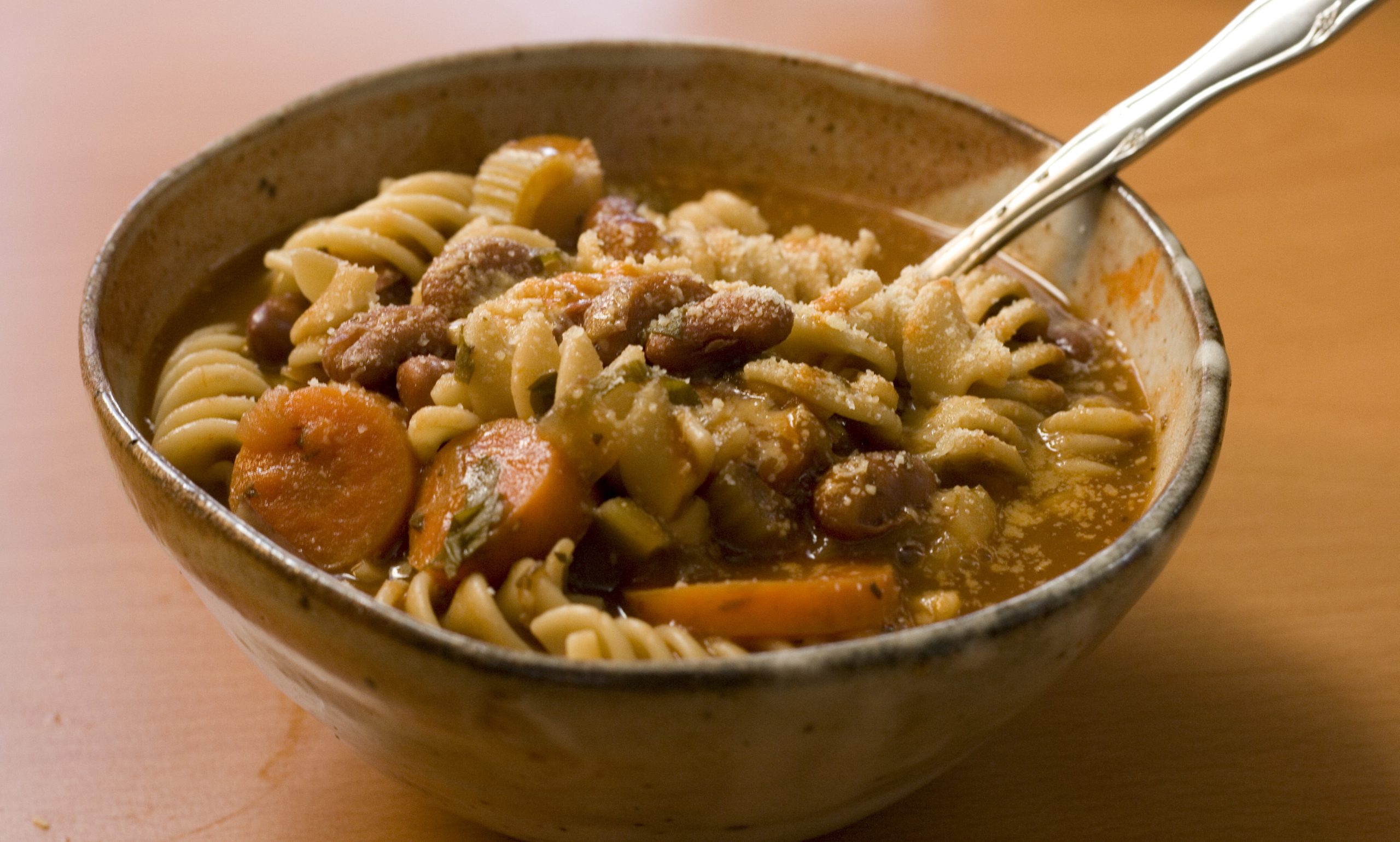
- Fridge-cleanout soup: onions + vegetables + legumes + broth. Blend or not.
- Meatballs/croquettes: leftover meat + mashed potatoes + herbs + egg; brown in the oven.
- Fried rice: day-old rice + vegetables + egg + a splash of soy sauce.
- Gratin: leftover pasta + vegetables + cheese; bake in the oven.
- Tacos/wraps: cold chicken + lettuce + salsa; pan-fry 3–4 min.
- Compote: apples/pears + a little water; cook, blend, jar.
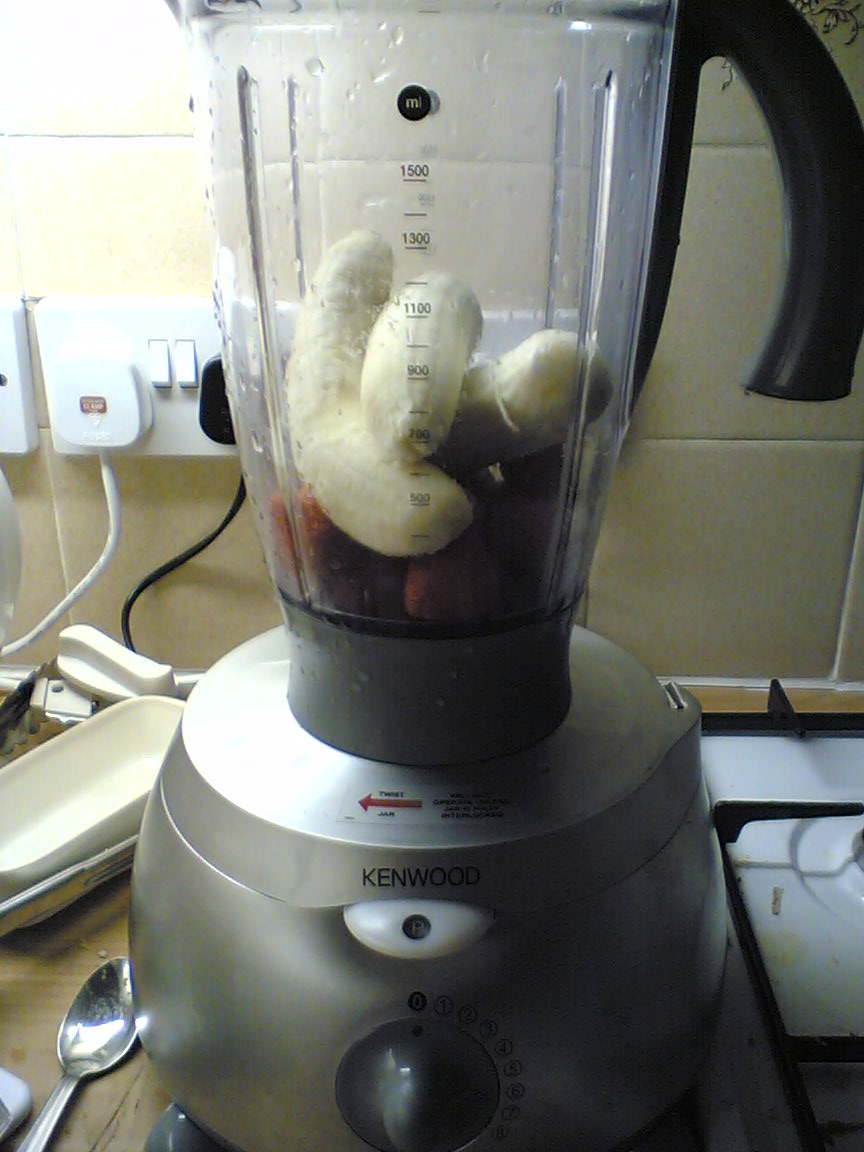
- Smoothie: banana + strawberries + yogurt/plant milk.
- Vegetable hash: sautéed roasted vegetables + fried eggs.
Step 3 — Safe storage (cool quickly, store properly)
- Rapid cooling: divide into small shallow containers (faster cooling), cover after warming up.
- Refrigerator: aim for ≤4–5 °C, do not overload (air circulates), place leftovers on the coldest shelf.
- Freezer: at −18 °C; label contents + date; portions ready to reheat.
- Reheat leftovers to ≥74 °C/165 °F (until very steaming), sauces/soups: light simmer.

| Dish or ingredient | Fridge (≤4–5 °C) | Freezer (−18 °C) |
|---|---|---|
| Cooked leftovers (meats, stews) | 3–4 days | 2–3 months (quality) |
| Soups / dishes in sauce | 3–4 days | 2–3 months |
| Cooked rice/pasta | 3–4 days | 1–2 months |
| Compotes | 5–7 days | 6–8 months |
Practical guidelines intended for home use; always check smell, appearance, container integrity.
Hygiene & cross-contamination: best practices
- Clean and disinfect surfaces after handling raw meats.
- Use dedicated cutting boards (raw/cooked), keep leftovers covered.
- Do not overload the fridge: ensure air circulation and stability at ≤4–5 °C.
Methodology
Framework based on official references: 2 hours to return to cold, fridge ≤4–5 °C, shallow containers for rapid cooling, reheating ≥74 °C/165 °F. The proposed recipes favor tolerant techniques and common ingredients to facilitate daily waste reduction.
What we liked ✅ / liked less ⚠️
✅ Liked
- 8 quick ideas, family-friendly, adaptable.
- Clear rules for safety (2 h, ≤4–5 °C, 165 °F).
- Organization by portions = less waste.
⚠️ Liked less
- Requires some batching (portions/labels).
- Variable quality depending on refreezing (texture).
FAQ
Can I put a still hot dish in the refrigerator?
Yes, it’s better to cool quickly: divide into small containers and place in the cold without exceeding the 2-hour rule.
How long can leftovers be kept in the fridge?
Generally 3–4 days for cooked dishes. Beyond that, freeze or cook again.
How to reheat safely?
Bring to ≥74 °C/165 °F, until very steaming; for soups/sauces: bring to a light simmer.
What if I have no more space in the fridge?
Avoid overloading (air must circulate). Prioritize perishable foods, transform into portions to freeze.
Also read
Official sources & references
- ANSES — fridge temperature ≤4 °C, domestic cold chain.
- WHO — do not leave cooked foods >2 h at room temperature, refrigerate <5 °C.
- FSIS/USDA — leftovers: refrigerate within 2 h, shallow containers, reheat to 165 °F, consume within 3–4 days.
💡 General information intended for home use. Always follow hygiene rules, check the condition of food, and prioritize caution. Possible affiliate links. Data verified on 2025-11-03.