
Sommaire
MOSQUITOES: answers to frequently asked questions about bites, timing, and prevention
| 📌 | Definition: a mosquito bite is a blood sample taken by the female, followed by a more or less visible skin reaction. |
| ⏰ | Sensitive times: dawn, late afternoon, and early evening are often the most exposed times, depending on the species and the weather. |
| 🩹 | Normal reaction: a small red bump that itches for a few hours to a few days remains the most common situation. |
| 🧴 | Useful prevention: covering clothing, properly used repellent, mosquito nets, and elimination of stagnant water work better in combination. |
| 🌦️ | Aggravating factors: heat, humidity, sweating, lack of wind, and outdoor activity often increase discomfort. |
| 🚨 | When to consult: very extensive reaction, signs of infection, or general symptoms after a stay in a risk area justify medical advice. |
MOSQUITOES sometimes seem to choose exactly the wrong moment: a dinner on the terrace, a warm night, a walk near a water point. Yet, behind this impression of an organized attack, there are fairly simple mechanisms. What really attracts mosquitoes, the times when they bite the most, and the actions that concretely reduce bites follow a logic that can be understood. Here is a practical, clear, and up-to-date FAQ to answer the most frequent questions about bites, timing, and prevention.
What you need to know before answering frequently asked questions about mosquitoes
Before talking about prevention, three things must be distinguished: the presence of the mosquito, the bite, and the discomfort felt. You can have many mosquitoes around you without being heavily bitten, or conversely few mosquitoes but a very marked skin reaction. This nuance prevents drawing too quick conclusions about what “attracts” or not.
A basic point deserves to be recalled: only the female mosquito bites, because she needs a blood meal for the development of her eggs. The male mainly feeds on sugary substances of plant origin. This may seem anecdotal, but it is essential to understand that the bite is not an “aggressive bite,” but rather a feeding and reproductive behavior.
In practice, questions always come back around the same themes: why some people get bitten more, at what times of day one should be more vigilant, how to recognize a simple bite, and what to do to limit the problem. For a more global view on solutions, you can also consult this file on mosquitoes and effective solutions, which complements well the answers below.
Bite, bump, and itching: what exactly are we talking about?
The bite corresponds to the moment when the mosquito pierces the skin to take a small amount of blood. The bump, however, is not the bite itself: it is your skin’s reaction to the saliva injected by the insect, saliva that facilitates the blood meal. The itching results from the body’s inflammatory response, more or less intense depending on individual sensitivity.
In other words, two people bitten under the same conditions can have very different reactions. For one, there will only be a small discreet relief for a few hours; for the other, a redder and itchier patch will last two or three days. According to Health Insurance, most insect bites cause a mild local reaction, but scratching can worsen the situation.
Why do mosquitoes bite some people more than others?
The feeling of being “always the one bitten” often has some basis in reality, but it is never explained by a single factor. Mosquitoes operate like multi-signal sensors. They detect exhaled CO₂, perceive the heat of a body after exertion, are influenced by certain body odors, and especially take advantage of a simple opportunity: exposed skin, sheltered from the wind, a stationary person.
According to Santé publique France, certain species like the tiger mosquito have particular biting behaviors and can be active during the day, which challenges the idea that all mosquitoes only attack at night. This is an important point, especially in cities like Nice, Montpellier, or Toulouse where vigilance is now well established during the warm season.
Factors that can increase attractiveness
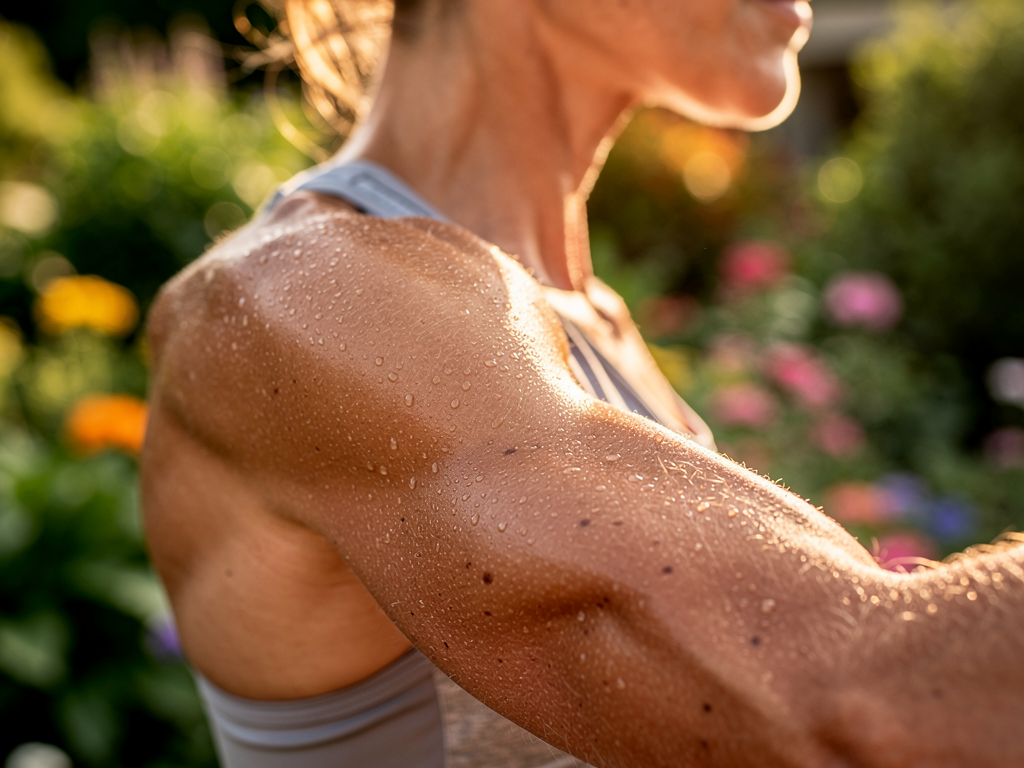
The first well-documented factor is the carbon dioxide we exhale when breathing. The more detectable a person is at close range, the more they can attract a mosquito searching for a meal. It is not a fixed “attraction score,” but a very useful signal for the insect. Next come heat and skin moisture: after a brisk walk, an outdoor meal in summer, or sporting activity, the skin becomes easier to locate.
Body odors also play a role. They vary according to sweating, skin flora, products applied to the skin, and the time of day. In practice, it is observed in the field that calm garden evenings, after a hot day, combine several unfavorable factors: exposed skin, humid air, stagnation of odors, low dispersion of CO₂.
What should not be overestimated
Blood type often comes up in discussions, but it alone is not enough to explain why a person gets bitten more. It is a possible parameter among others, never a universal explanation. The same caution applies to the idea that light would directly attract mosquitoes to the skin: for biting, biological signals generally remain more decisive than simple brightness.
It should also be kept in mind that a mosquito is above all opportunistic. If you are sitting on the edge of a poorly ventilated terrace, with uncovered legs, near a damp planter, you may be more exposed than another person who is “theoretically more attractive.” This is exactly why contextual actions matter as much as the individual profile. On this subject, understanding why mosquitoes enter the house often helps correct the most problematic habits.
At what times do mosquitoes bite the most?
The most useful rule of thumb is to remember that not all mosquitoes follow the same schedule. Many species are more active when the light fades and the air becomes less dry, but some also bite during the day if conditions are favorable. The tiger mosquito, for example, can be bothersome early in the morning, during the day in shaded areas, and late in the afternoon.
The weather strongly affects the level of nuisance. Noticeable wind hinders the movement of many mosquitoes; conversely, warm, heavy, and humid air makes it easier for them. After rain, when small water pools persist and the atmosphere remains moist, the perception of an increase in bites is often justified. According to recommendations relayed by ANSES, protection is particularly useful during targeted exposure periods, and not just “at dusk.”
Times of day to watch out for
In many everyday situations, the late afternoon and early evening remain the most sensitive time slots. This is when people go out more, skin is more exposed, and the body heat after the day makes human signals more perceptible. Very calm summer nights can then prolong this nuisance, especially if windows remain open without mosquito screens.
Near a water source, a dense hedge, or a poorly ventilated courtyard, the risk can increase. In some coastal towns or near wetland areas, the nuisance even seems more pronounced after sunset. If the main concern is sleep, the guide on sleeping without mosquitoes in summer provides more targeted answers for the bedroom and hot nights.
Why times can vary depending on the location
The location changes everything. A north-facing, enclosed, and humid balcony does not offer the same conditions as a well-ventilated terrace on the top floor. In a house surrounded by vegetation, with a water collector and poorly emptied saucers, activity may seem more continuous. Conversely, in an open space swept by air, bites often decrease, sometimes significantly.
The season also plays a strong role. In mainland France, activity levels generally increase between late spring and early autumn, with a feeling often more marked between June and September. In several departments where tiger mosquito monitoring is in place, reports concentrate on this active period. For households wanting to take action at home, testing a homemade mosquito trap can be useful, provided it is not considered a sole solution.

How to recognize a mosquito bite and respond correctly?
Most mosquito bites have a fairly recognizable appearance: a small red bump, sometimes surrounded by a slightly pink area, with itching that can be immediate or delayed. The bump may appear almost immediately or become more visible after a few tens of minutes. In children, the reaction is sometimes more impressive, without necessarily being serious.
What matters is the evolution. A simple bite tends to calm down gradually within a few days. However, an area that swells significantly, becomes hot, painful, or oozing suggests more a complication related to scratching or an unusual reaction. In case of doubt, especially after travel or a stay in an area where vector-borne diseases circulate, avoid quick self-diagnosis.
Common reactions after a bite
The normal response is local: bump, itching, slight inflammation. The affected surface varies depending on the person. In some adults, the bump barely exceeds a few millimeters; in others, a larger patch of 2 to 5 cm around the bite point is observed. This variability alone does not indicate particular severity. It often reflects different skin sensitivity.
A family recently settled in a suburban area often reports the same phenomenon: the first weeks of summer seem “unbearable,” then the reaction seems less marked with repeated bites. This type of observation exists, but it should not be taken as a general rule. Some people remain very reactive over time, others hardly at all.
Immediate good reflexes
The first step is simple: wash the area with water and soap, then cool it with a cool compress for a few minutes. This cooling often reduces the sensation of itching and the local inflammatory reaction. Then, you must resist the urge to scratch, even if it is the hardest, because scratching maintains inflammation and opens the way to superinfection.
If needed, you can use a soothing product suitable for the situation and the age of the person concerned, following usage recommendations. However, layering “miracle” products, poorly dosed essential oils, or improvised recipes on irritated skin is not a good idea. When bites repeat in the home, incorporating some effective mosquito-repellent plants can be a supplementary benefit but does not replace basic protections.
When should you consult a doctor?
A medical opinion is useful if the reaction becomes very extensive, particularly painful, or if the skin shows signs of infection: significant heat, spreading redness, oozing, thick crusts, fever. You should also be attentive to general symptoms after a stay in a risk area: unusual fatigue, pain, fever, headaches, or a more diffuse rash.
In mainland France, most bites remain benign, but caution is justified in areas where the tiger mosquito is established. Health authorities also remind of the importance of active monitoring depending on the departments and the season. For official information on the health context and preventive measures, the resources of Santé publique France remain the most useful reference.
What prevention measures should be adopted to limit bites on a daily basis?
When talking about prevention against MOSQUITOES, the classic trap is to look for a single, total, and immediate solution. In reality, the most reliable results come from a combined approach. Light but effective covering at the right time, using a repellent under relevant exposure conditions, and reducing favorable areas around the home often yield better results than an isolated gadget presented as revolutionary.
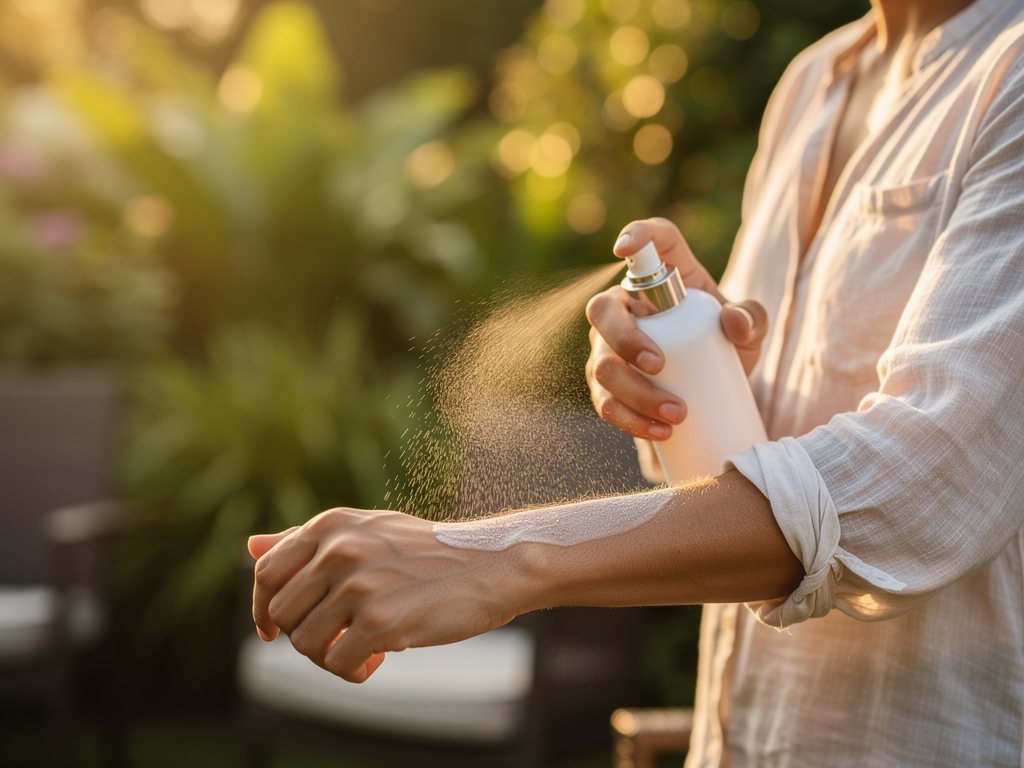
According to ANSES, skin repellents must be chosen and used while respecting the precautions for use, notably according to age, duration of exposure, and health situation. Meanwhile, Santé publique France emphasizes reducing stagnant water around the home to limit breeding sites. A forgotten saucer, a bucket in the garden, or a poorly maintained gutter can sometimes be enough to sustain a local population.
The most useful personal actions
The most cost-effective reflex is to anticipate exposure periods. If you know that an outdoor meal starts around 7:30 p.m. in a shaded garden, it is better to apply protection before settling down than to react after the first bites. Loose and covering clothes, preferably on the legs and forearms, immediately reduce accessible surface area. It’s not always very “summery,” but it is often very effective.
It is also useful to avoid strongly scented products when staying outside for a long time. The exact effect varies according to compositions and contexts, but adding strong odors on warm skin does not always help. Indoors, mosquito nets on windows, occasional closing during sensitive hours, and light ventilation can make a real difference, especially in bedrooms.
Situations where prevention should be reinforced
Some everyday life scenes are almost textbook cases: aperitif on a terrace, barbecue near a planted bed, walk by the water, sports session in the park, watering the garden in the evening. In these situations, several factors accumulate: potential presence of mosquitoes, body heat, humidity, and relative immobility. Prevention must then be reinforced, even if the day seemed calm until then.
In practice, residents often underestimate micro-environments. A simple dining corner surrounded by plants, with a water reserve nearby, can become much more exposed than another area of the same garden located ten meters away. This is also why a concrete diagnosis of one’s immediate environment remains more useful than a too general rule.
Against mosquitoes, the right reflex is not to look for the perfect solution, but to stack simple protections at the moment they really count.
Mosquito FAQ: quick answers to the most frequent questions
Can a mosquito bite several times in the same night?
Yes. If its meal is interrupted, for example by a sudden movement, a mosquito can try to feed again on the same person or on another. Several close bumps therefore do not necessarily mean that there were several mosquitoes in the room.
Why do I get bitten while others do not?
Because attractiveness depends on a set of factors: body heat, odors, sweat, position in space, and ease of access. It also happens that you are simply sitting in the most favorable area, for example near a damp wall or dense vegetation.
Do mosquitoes bite even when it is very hot?
Yes, especially if the air remains humid and poorly ventilated. A heavy evening above 28 °C can still be very conducive to bites, whereas drier air or a steady breeze often reduces their seeking activity.
What is the best reflex to avoid bites?
The most reliable is to anticipate the risky hours and then combine at least two barriers: covering clothing and repellent, or mosquito net and ventilation. One measure helps, but combining them generally works better.
Can a mosquito bite through clothing?
Sometimes yes, especially if the fabric is thin, stretched against the skin, or very light. Loose clothing with a relatively tight weave protects better than tight or damp fabric after exertion.
Should all water around the house be removed?
It is especially necessary to eliminate unnecessary stagnant water: saucers, buckets, hollow toys, poorly stretched tarps, clogged gutters. The tiger mosquito can lay eggs in very small volumes of water, sometimes a few centiliters are enough if the stagnation repeats.
| Situation | Risk of bite | Recommended reflex |
|---|---|---|
| Dinner on the terrace at 8 p.m. | High in summer, especially without wind | Covering clothing + repellent before settling in |
| Bedroom with window open at night | Variable to high | Mosquito net + light ventilation |
| Walk near a body of water | Often increased at dusk | Protection of legs and arms |
| Garden with saucers and water collector | Locally increased risk | Eliminate stagnations and cover reserves |
| After outdoor sports activity | More attractive due to heat and sweating | Rinse if possible and protect quickly |